
Bariatric Surgery
Acute Lymphocytic Leukemia - ALL (Adults)
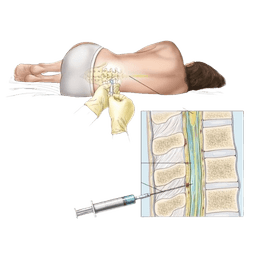
Acute Lymphocytic Leukemia (ALL) in adults is an aggressive malignancy of the bone marrow where immature lymphoid cells proliferate and crowd out normal blood production. -br Prompt diagnosis, risk stratification, and multi-agent therapy are essential because adult ALL behaves more aggressively than childhood ALL and requires tailored treatment plans involving chemotherapy, targeted agents, and sometimes stem cell transplant. -br Supportive care (infection prevention, transfusions) and close monitoring of complications are equally important.
Bariatric Surgery
Adenocarcinoma (Glandular Cancer)
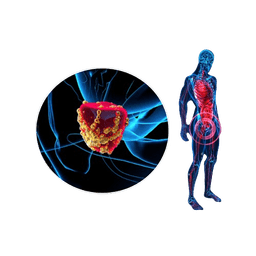
Adenocarcinoma describes malignant tumors that arise from glandular epithelium and can affect organs such as the lung, colon, pancreas, prostate, or stomach. -br Clinical behaviour and treatment depend on the organ of origin and stage; management typically combines surgery, systemic therapy, and sometimes radiation or organ-specific targeted agents. -br Histopathology and molecular profiling guide prognosis and personalized therapy.
Bariatric Surgery
Adrenal Cancer
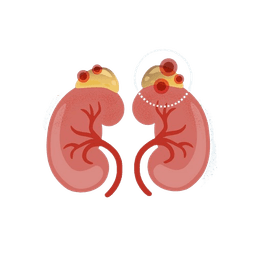
Adrenal cancer arises from the adrenal cortex and can be functional (hormone-secreting) or non-functional. -br Functional tumors cause clinical syndromes (Cushing’s, virilization) while non-functional tumors often present late with mass effect or metastasis. -br Early detection and complete surgical excision offer the best chance for cure; multidisciplinary care includes endocrine evaluation and consideration of mitotane or systemic therapy for advanced disease.

Bariatric Surgery
Anal Cancer
Anal cancer typically arises from the squamous cells lining the anal canal, often associated with persistent HPV infection. -br It’s a relatively uncommon but highly treatable cancer when diagnosed early. -br Modern therapy emphasizes combined chemoradiation over surgery, preserving function and achieving excellent local control rates.
Bariatric Surgery
Bile Duct Cancer
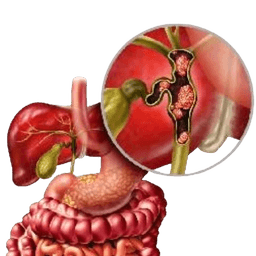
Bile duct cancer, or cholangiocarcinoma, develops in the ducts that carry bile from the liver to the intestine. -br It can occur inside or outside the liver and often presents late with jaundice and weight loss. -br Multidisciplinary management with surgery, biliary drainage, and systemic therapy offers the best outcomes.

Bariatric Surgery
Bladder Cancer
Bladder cancer originates from the urothelium, the lining of the bladder. -br Most cases are transitional cell carcinoma, presenting with painless hematuria. -br Early detection and appropriate endoscopic or surgical treatment can lead to long-term cure, especially for non-muscle invasive disease.
Bariatric Surgery
Bone Cancer
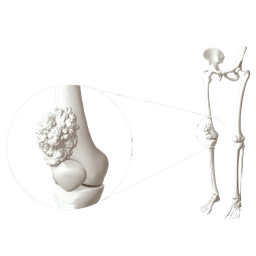
Bone cancer arises when cells within the bone multiply abnormally, forming a malignant tumor. It can start in the bone itself (primary) or spread from another site (secondary). -br Early diagnosis and multidisciplinary management are key to improving outcomes.
Bariatric Surgery
Breast Biopsy
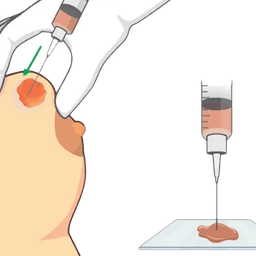
A breast biopsy helps identify abnormal tissue or lumps in the breast. -br It’s a quick, minimally invasive diagnostic test performed to confirm or exclude cancer.
Bariatric Surgery
Breast Cancer Surgery
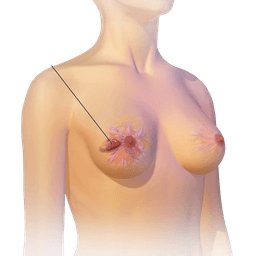
Breast cancer surgery includes procedures like lumpectomy, mastectomy, and reconstructive surgery. -br The goal is to remove cancer while preserving aesthetics and functionality.

Bariatric Surgery
Cancer Surgery
Cancer surgery involves removing malignant tumors and surrounding tissue to prevent recurrence or spread. -br It’s often combined with chemotherapy, radiation, or immunotherapy for a complete cure strategy.
Bariatric Surgery
Carcinoid Tumors
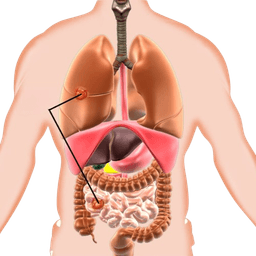
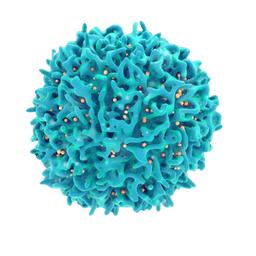
Carcinoid tumors arise from neuroendocrine cells that release hormones. -br They usually grow slowly but can cause systemic symptoms known as carcinoid syndrome.
Bariatric Surgery
Carcinoma of Unknown Primary-CUP
CUP refers to metastatic cancer detected in the body without a known origin. -br It requires sophisticated imaging, pathology, and genetic testing to find the source and guide therapy.

Bariatric Surgery
Castleman Disease
Castleman Disease affects the lymphatic system, leading to non-cancerous but abnormal growth of lymph node tissue. -br It can appear as a single enlarged node (unicentric) or multiple (multicentric) and often mimics lymphoma in presentation.
Bariatric Surgery
Cervical Cancer
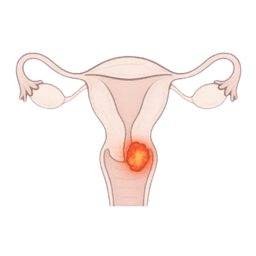
Cervical Cancer arises in the lower part of the uterus (cervix) and is primarily linked to persistent HPV infection. -br Early screening through Pap smears and HPV tests helps detect precancerous changes before they progress.

Bariatric Surgery
Chemotherapy
Chemotherapy is a systemic treatment using cytotoxic drugs to kill rapidly dividing cancer cells. -br It may be used alone or alongside surgery and radiation, depending on cancer type and stage.

Bariatric Surgery
Chronic Lymphocytic Leukemia-CLL
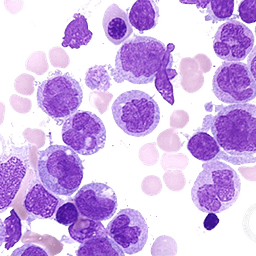
Chronic Lymphocytic Leukemia (CLL) is a type of blood and bone marrow cancer that primarily affects B lymphocytes. -br It develops slowly, often discovered during routine blood tests, and commonly affects older adults.
Bariatric Surgery
Chronic Myelomonocytic Leukemia
Chronic Myelomonocytic Leukemia (CMML) is a rare blood disorder that combines features of myelodysplastic syndromes and myeloproliferative neoplasms. -br It leads to increased monocytes and abnormal bone marrow function.

Bariatric Surgery
Chronic Myeloid Leukemia-CML
Chronic Myeloid Leukemia (CML) is a type of blood cancer that starts in the bone marrow due to a genetic change known as the Philadelphia chromosome. -br It leads to uncontrolled growth of myeloid cells but responds well to targeted therapy.

Bariatric Surgery
Colon Cancer
Colon cancer begins as a benign polyp that can transform into a malignant tumour over years. -br Screening colonoscopy detects and removes precancerous polyps, while staging and multidisciplinary care guide curative surgery, chemotherapy, or combined therapies when needed. -br Early-stage cases often have excellent outcomes; advanced disease benefits from individualized systemic and surgical strategies.
Bariatric Surgery
Endometrial Cancer
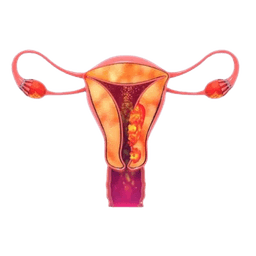
Endometrial cancer originates from the lining of the uterus and most commonly affects postmenopausal women. -br Abnormal uterine bleeding is the usual presenting symptom, prompting ultrasound and biopsy. -br Management is stage-directed, frequently curative with surgery and supplemented by radiation or systemic therapy when indicated.
Bariatric Surgery
Esophagus Cancer
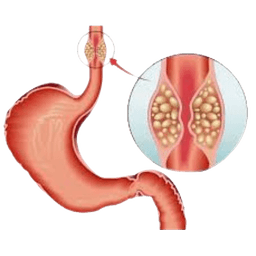
Esophageal cancer develops in the lining of the oesophagus and commonly presents with progressive dysphagia. -br Major subtypes are squamous cell carcinoma and adenocarcinoma, each with distinct risk factors and treatment pathways. -br Management usually involves multimodality therapy including surgery, chemotherapy, and radiation for the best chance of cure.

Bariatric Surgery
Ewing Family of Tumors
The Ewing family of tumors represents a group of aggressive cancers that primarily affect the bones or soft tissues. -br These tumors most often occur in children and young adults, commonly involving the pelvis, femur, or chest wall. -br Treatment typically combines chemotherapy, surgery, and sometimes radiation therapy, aiming to eradicate disease and preserve function.

Bariatric Surgery
Excision of Ear Tumor
Excision of ear tumors is performed to remove benign or malignant growths involving the external or middle ear. -br Early surgical removal ensures preservation of hearing, facial nerve integrity, and cosmetic outcome. -br Depending on tumor type, adjunct radiotherapy or reconstruction may be required.

Bariatric Surgery
Eye Cancer
Eye cancer refers to malignant growths within or around the eye, including retinoblastoma in children and ocular melanoma in adults. -br Early diagnosis through ophthalmic evaluation and imaging improves both survival and vision outcomes. -br Management may include surgery, radiation, chemotherapy, or laser therapy based on type and extent.
Bariatric Surgery
Fallopian Tube Cancer
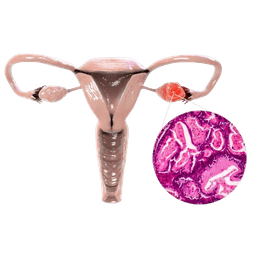
Fallopian tube cancer originates in the epithelial cells of the tubes connecting the ovaries to the uterus. -br It often presents with symptoms similar to ovarian cancer and may spread to nearby reproductive organs. Early detection and surgery can significantly improve outcomes.
Bariatric Surgery
Gallbladder Cancer
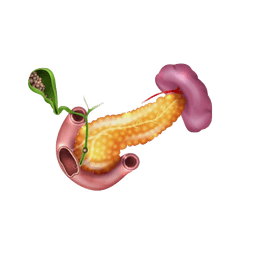
Gallbladder cancer develops in the bile-storing organ beneath the liver. -br It is often associated with chronic gallstones and gallbladder inflammation. -br Early surgical intervention offers the best chance of cure.

Bariatric Surgery
Gastrointestinal Stromal Tumor-GIST
GISTs are tumors that develop from interstitial cells of Cajal in the digestive tract wall. -br They most commonly occur in the stomach or small intestine and can be benign or malignant. -br Targeted drugs have revolutionized treatment outcomes.
Bariatric Surgery
Genitourinary Cancer
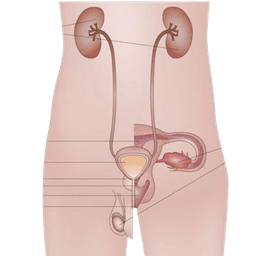
Genitourinary cancer encompasses malignancies of the urinary and reproductive organs. -br These include kidney, bladder, testicular, and prostate cancers. -br Early detection through screening and imaging helps improve treatment success rates.

Bariatric Surgery
Gestational Trophoblastic Disease-GTD
Gestational trophoblastic disease (GTD) is a group of rare tumors originating from the cells that form the placenta. -br It includes molar pregnancies and choriocarcinoma. -br Most forms are highly treatable with prompt diagnosis and chemotherapy.
Bariatric Surgery
Hairy Cell Leukemia-HCL
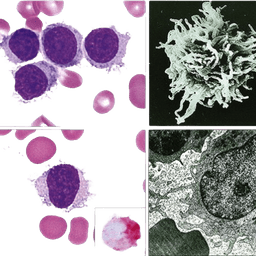
Hairy cell leukemia (HCL) is a slow-growing cancer of the blood and bone marrow. -br It causes abnormal B cells with hair-like projections that crowd out healthy cells. -br Modern targeted therapies offer excellent long-term control.
Bariatric Surgery
Hodgkin Disease
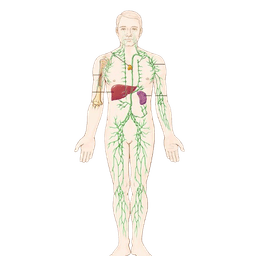
Hodgkin Disease (Hodgkin lymphoma) is a malignancy of lymphatic tissue marked by characteristic Reed–Sternberg cells on biopsy. -br It commonly presents with painless lymph node enlargement, systemic symptoms in some patients, and is highly treatable with modern combined chemoradiation and targeted therapies. -br Accurate staging and multidisciplinary care are essential to maximise cure and minimise long-term treatment effects.
Bariatric Surgery
Invasive Lobular Carcinoma
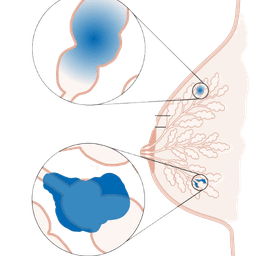
Invasive Lobular Carcinoma begins in the milk-producing lobules and often grows in a single-file pattern that can be harder to detect on mammography. -br ILC tends to be hormone receptor–positive and responsive to endocrine therapy; management is individualized using multimodality treatment to maximise cure while preserving form and function.

Bariatric Surgery
Kaposi Sarcoma
Kaposi Sarcoma is a vascular malignancy associated with human herpesvirus 8 (HHV-8) that presents as purple-red skin or mucosal lesions and can involve internal organs. -br Management depends on extent and immune status — immunocompetent patients may need local therapy, while immunosuppressed individuals (for example with HIV) may require systemic antiviral and oncologic treatment.
Bariatric Surgery
Kidney Cancer
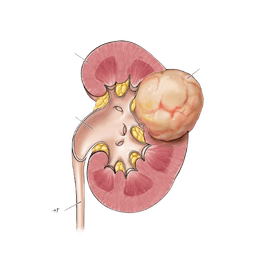
Kidney cancer typically starts in the lining of small tubes in the kidney and may be discovered incidentally on imaging or present with blood in the urine, flank pain, or a palpable mass. -br Management is stage-directed and may include partial or radical nephrectomy, ablation, targeted therapy, or immunotherapy. -br The goal is cure for localized disease, preservation of renal function when possible, and coordinated long-term surveillance.
Bariatric Surgery
Laryngeal & Hypopharyngeal Cancer
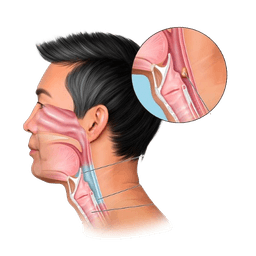
Laryngeal and hypopharyngeal cancers arise from mucosal surfaces of the voice box and lower pharynx and are strongly linked to tobacco and alcohol exposure. -br Presentation ranges from hoarseness and throat pain to swallowing difficulty and neck lumps. -br Optimal care is multidisciplinary — combining organ-preserving surgery, radiotherapy and systemic therapy tailored to stage and patient goals.

Bariatric Surgery
Acute Myeloid Leukemia-AML
Acute Myeloid Leukemia (AML) is an aggressive malignancy of bone marrow progenitor cells that leads to rapid accumulation of immature myeloblasts, causing anemia, infections and bleeding. -br Timely bone marrow biopsy, cytogenetic and molecular profiling are essential to determine prognosis and guide intensive induction chemotherapy, targeted agents, and consideration for stem cell transplant in eligible patients.
Bariatric Surgery
Lung Cancer
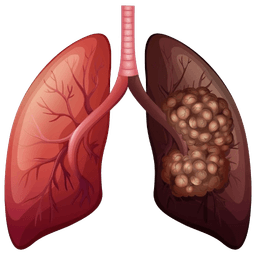
Lung cancer originates from the epithelial cells of the lungs and is broadly divided into non-small cell (NSCLC) and small cell (SCLC) types. -br The condition is often linked to smoking but can also occur in non-smokers due to genetic mutations or environmental exposure. -br Treatment involves a combination of surgery, chemotherapy, radiotherapy, targeted therapy, and immunotherapy depending on cancer type and stage.

Bariatric Surgery
Lung Carcinoid Tumor
Lung carcinoid tumors originate from neuroendocrine cells of the lung and are usually low-grade and slow-growing. -br They account for less than 5% of all lung cancers and may secrete hormones that cause carcinoid syndrome in rare cases. -br Surgery remains the mainstay of treatment, often achieving long-term cure.

Bariatric Surgery
Malignant Mesothelioma
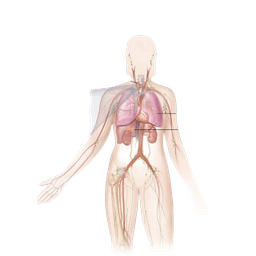
Malignant mesothelioma develops from the pleural lining surrounding the lungs and is strongly linked to asbestos exposure. -br It progresses insidiously, often presenting decades after exposure. -br Treatment requires a multidisciplinary approach with surgery, chemotherapy, and immunotherapy to control disease and symptoms.
Bariatric Surgery
Medullary Carcinoma
Medullary carcinoma develops from the thyroid’s parafollicular cells that secrete calcitonin. -br It often runs in families and may appear as a neck lump or during genetic screening. -br Early detection and comprehensive management improve outcomes.

Bariatric Surgery
Metastatic Tumors
Metastatic tumors are secondary growths formed when cancer cells migrate from a primary site to distant organs. -br They indicate advanced disease but can still be managed effectively with modern therapies. -br Treatment focuses on control, symptom relief, and quality of life.

Bariatric Surgery
Multiple Myeloma
Multiple myeloma arises from abnormal plasma cells in the bone marrow. -br These cells multiply uncontrollably, disrupting normal blood formation and damaging bones. -br Advances in immunotherapy and stem cell transplant have improved long-term outcomes.
Bariatric Surgery
Nasal Cavity & Paranasal Sinus Cancer
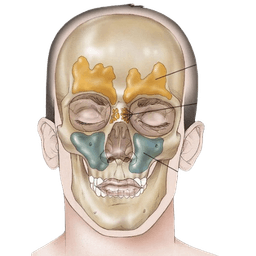
Nasal cavity and paranasal sinus cancers arise in the small air-filled spaces surrounding the nasal passages. -br These cancers can block airflow, cause bleeding, or distort facial structures. -br Early detection and a team-based surgical approach improve outcomes and preserve function.
Bariatric Surgery
Nasopharyngeal Cancer
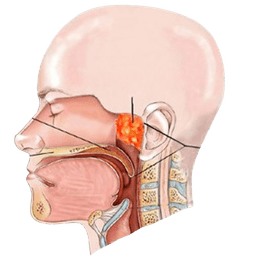
Nasopharyngeal cancer originates in the upper throat behind the nose, an area rich in lymphatic tissue. -br It’s more prevalent in certain regions and linked to Epstein-Barr virus (EBV). -br This cancer often presents late due to vague early symptoms like ear fullness or nasal blockage.
Bariatric Surgery
Non-Hodgkin Lymphoma (NHL)
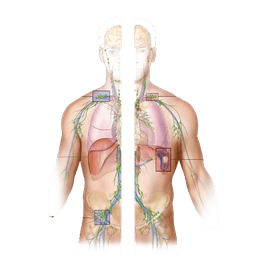
Non-Hodgkin Lymphoma (NHL) represents a large group of blood cancers originating from lymphocytes. -br It can appear in lymph nodes or other organs like the spleen and bone marrow. -br New biologic and immunotherapies have improved survival across subtypes.
Bariatric Surgery
Non- Small Cell Lung Cancer-NSCLC
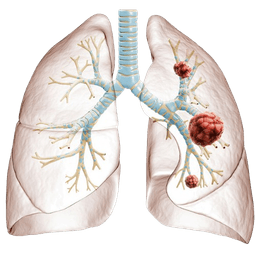
Non-Small Cell Lung Cancer (NSCLC) is the most common type of lung cancer, characterized by slow progression but complex treatment needs. -br CureU Healthcare offers state-of-the-art diagnosis and targeted treatments to improve survival and quality of life.

Bariatric Surgery
Oral Cancer- Surgical
Oral Cancer Surgery involves removing malignant tissues from the mouth and surrounding structures. -br CureU Healthcare specializes in functional and aesthetic preservation during treatment.
Bariatric Surgery
Osteosarcoma
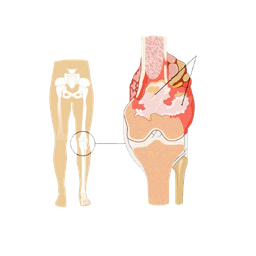
Osteosarcoma is an aggressive bone cancer primarily affecting adolescents and young adults. -br CureU Healthcare offers advanced diagnosis and tailored therapies for better functional outcomes.
Bariatric Surgery
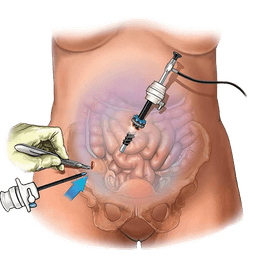
Ovarian Cancer Surgery
Ovarian Cancer Surgery focuses on removing cancerous tissue from the ovaries and nearby areas to prevent spread. -br CureU Healthcare’s gynecologic oncologists specialize in minimally invasive and advanced surgical approaches for improved survival and quality of life.

Bariatric Surgery
Ovarian Germ Cell Tumor
Ovarian Germ Cell Tumors arise from egg-producing cells of the ovary. -br Most are benign, but malignant variants need surgical and chemotherapeutic care tailored for young women.

Bariatric Surgery
Ovarian Primary Peritoneal Cancer
Primary Peritoneal Cancer (PPC) arises from cells lining the abdomen and mimics ovarian cancer in behavior. -br Treatment parallels that of ovarian cancer, focusing on cytoreduction and systemic therapy.
Bariatric Surgery
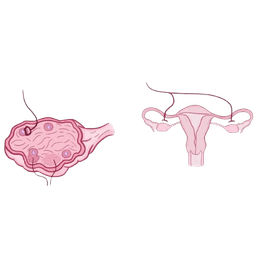
Ovarian Sex Cord Stromal Tumor
Ovarian sex cord stromal tumors arise from the ovarian stromal cells that support follicle development and may secrete hormones such as estrogen or androgens. -br They are uncommon, present across ages, and because many are hormone-active, symptoms often lead to earlier detection. -br Management balances oncologic clearance with fertility preservation where possible and uses surgery plus selective adjuvant therapy based on histology and stage.
Bariatric Surgery
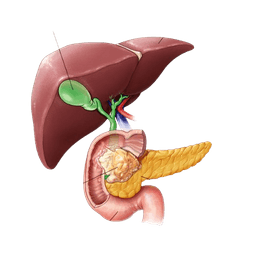
Pancreatic Cancer
Pancreatic cancer most commonly refers to pancreatic ductal adenocarcinoma, an aggressive tumour with subtle early symptoms that often leads to late diagnosis. -br Multidisciplinary care — combining experienced pancreatic surgeons, systemic therapy, and supportive services — is key to improving outcomes and preserving quality of life. -br Where possible, curative-intent surgery (e.g., pancreaticoduodenectomy) combined with adjuvant therapy gives the best chance of long-term survival.
Bariatric Surgery
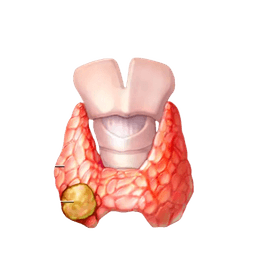
Papillary Thyroid Cancer
Papillary thyroid cancer arises from thyroid follicular cells and is the commonest form of thyroid malignancy. -br It usually grows slowly, often discovered as a nodule on ultrasound or incidentally after imaging. -br Management centres on risk-adapted surgery, potential radioactive iodine ablation, and long-term thyroid hormone replacement and surveillance to ensure excellent long-term outcomes.
Bariatric Surgery
Penile Cancer
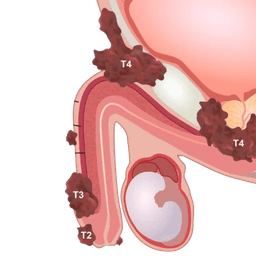
Penile cancer arises from the surface epithelium of the penis, most commonly as squamous cell carcinoma. -br Early detection offers high cure rates with conservative surgery or topical therapies, while advanced disease may require partial or total penectomy with nodal dissection. -br Preventive measures such as good hygiene, circumcision, and HPV vaccination significantly lower risk.
Bariatric Surgery
Prostate Cancer - Surgical
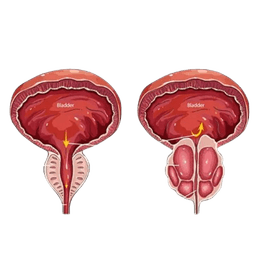
Surgical treatment for prostate cancer, typically through radical prostatectomy, aims to remove the entire prostate gland and nearby tissues for localised disease. -br Advances in robotic and laparoscopic surgery have improved functional outcomes, reducing blood loss and preserving continence and sexual function.
Bariatric Surgery
Radiotherapy
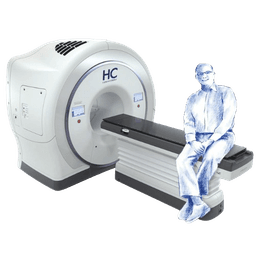
Radiotherapy delivers controlled doses of high-energy radiation to kill or control cancer cells. -br It is used as a primary, adjuvant, or palliative treatment across many cancer types, employing sophisticated planning to minimise harm to normal tissues. -br Techniques like IMRT, IGRT, and stereotactic radiotherapy allow tumour-focused therapy with excellent accuracy.

Bariatric Surgery
Retinoblastoma-RB
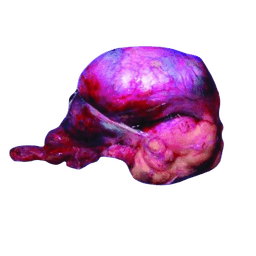
Retinoblastoma is a malignant tumor that develops in the retina, typically affecting young children. Early diagnosis allows for better eye preservation and life outcomes. -br Treatment may involve chemotherapy, laser therapy, cryotherapy, or surgical removal depending on severity.
Bariatric Surgery
Rhabdomyosarcoma-RMS
Rhabdomyosarcoma (RMS) is a rare and aggressive soft tissue cancer that arises from immature skeletal muscle cells. -br It most often affects children and adolescents and can occur anywhere in the body, including the head, neck, or genitourinary tract.

Bariatric Surgery
Skin Cancer
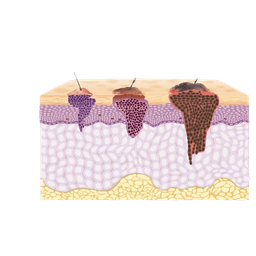
Skin cancer arises when abnormal cells in the skin grow uncontrollably, often due to UV exposure. -br It includes types such as basal cell carcinoma, squamous cell carcinoma, and melanoma, each requiring different management approaches.
Bariatric Surgery
Skin Cancer - Melanoma
Melanoma arises from pigment-producing melanocytes and can develop on any skin surface, including areas not heavily sun-exposed. -br It tends to invade deeper skin layers and metastasize earlier than most non-melanoma skin cancers, so early recognition and staging are essential. -br Treatment is stage-dependent and may include wide local excision, sentinel node assessment, targeted therapy or immunotherapy for advanced disease, and long-term surveillance.

Bariatric Surgery
Skin Lymphoma
Skin lymphoma (cutaneous lymphoma) includes diverse lymphoid malignancies that primarily involve the skin, most commonly T-cell types like mycosis fungoides and Sézary syndrome. -br Presentation ranges from patches and plaques to tumors and erythroderma, and management is highly subtype- and stage-specific, combining skin-directed therapies with systemic options when needed.
Bariatric Surgery
Small Cell Carcinoma
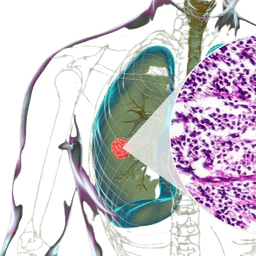
Small cell carcinoma most commonly arises in the lungs and is characterised by rapid growth, early metastatic spread and high initial sensitivity to chemotherapy and radiotherapy. -br Because it progresses quickly, urgent diagnosis, accurate staging and prompt combined-modality treatment are essential to achieve the best possible outcomes.
Bariatric Surgery
Small Intestine Cancer
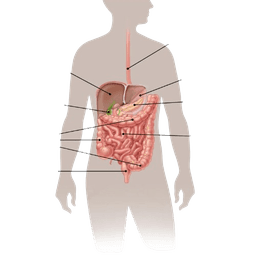
Small intestine cancer, also known as small bowel cancer, develops in the lining of the small intestine and includes adenocarcinoma, lymphoma, sarcoma, and carcinoid tumor types. -br Because the small bowel is deep in the abdomen, symptoms are often nonspecific, leading to delayed diagnosis. -br Early detection and multidisciplinary management with surgery, chemotherapy, or targeted therapy offer the best outcomes.
Bariatric Surgery
Soft Tissue Sarcoma
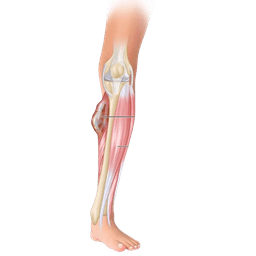
Soft tissue sarcoma (STS) represents a diverse group of cancers that develop in connective tissues like muscle, fat, nerves, or blood vessels. -br They can appear anywhere in the body but are most common in the limbs. -br Successful management depends on precise diagnosis, complete surgical excision, and carefully planned radiotherapy or chemotherapy.
Bariatric Surgery
Stomach Cancer
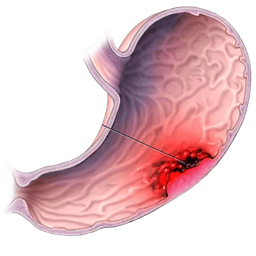
Stomach cancer arises from malignant transformation of the gastric mucosa, commonly adenocarcinoma. -br Risk factors include chronic H. pylori infection, dietary habits, smoking, and genetic predisposition. -br Early detection improves survival dramatically, but most cases present at advanced stages requiring multimodal therapy.
Bariatric Surgery
Testicular Cancer
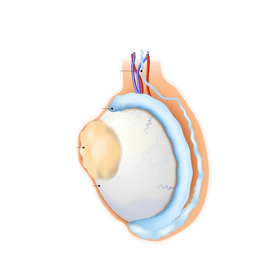
Testicular cancer arises when abnormal cells grow uncontrollably in one or both testicles. -br It typically affects men between the ages of 15 and 40 and is among the most curable cancers when detected early. -br CureU Healthcare offers comprehensive evaluation, advanced surgical options, and fertility-preserving treatment plans.
Bariatric Surgery
Thymoma and Thymic Carcinoma
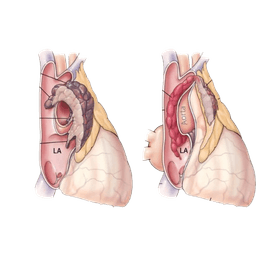
Thymoma and thymic carcinoma are tumors originating from the thymus, a small gland behind the breastbone that helps develop the immune system. -br While thymomas are usually slow-growing, thymic carcinomas are more aggressive and may spread beyond the chest.
Bariatric Surgery
Thyroid Cancer
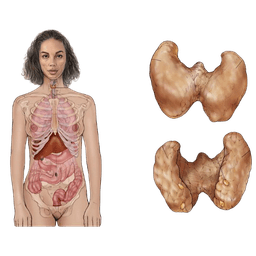
Thyroid cancer occurs when abnormal cells develop in the thyroid gland. -br It is commonly detected through neck lumps or imaging. -br Most types are slow-growing and highly curable with surgery and hormone management.
Bariatric Surgery
Vaginal Cancer
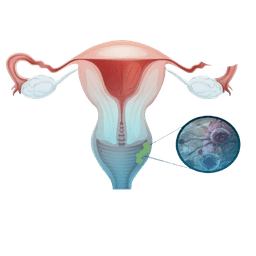
Vaginal cancer is an uncommon malignancy arising from the epithelial lining of the vagina. -br Because it is rare and symptoms can be vague, diagnosis is often delayed unless patients or clinicians act on warning signs such as abnormal bleeding or a persistent mass. -br Management is stage-directed and may include surgery, radiotherapy, or combined modalities; the care goal is local control with preservation of function and quality of life.

Bariatric Surgery
Vulvar Cancer
Vulvar cancer arises from the skin and mucosa of the external female genitalia, most commonly as squamous cell carcinoma. -br It often presents with itching, a persistent sore, or a visible lump; early diagnosis allows less extensive surgery and better functional results. -br Management is stage- and site-specific, emphasising oncologic clearance while preserving sexual, urinary and cosmetic outcomes.

Bariatric Surgery
Wilms Tumor (Nephroblastoma)
Wilms tumour is a childhood kidney cancer arising from embryonal renal precursor cells, most commonly presenting before age five. -br Early detection, accurate staging, nephron-sparing surgical approaches when possible, and tailored chemotherapy protocols result in high cure rates and preservation of future renal function and growth.
Expert Bariatric Surgery Specialists


Top Hospitals for Bariatric Surgery

Advanced Multi-Speciality Tertiary Care Hospital
BLK-Max Super Speciality Hospital, New Delhi
650+
350+
30+
Rajendra Place

Flagship Multi-Speciality Tertiary Care Hospital
Indraprastha Apollo Hospital, New Delhi
700+
300+
50+
Sarita Vihar

NABH-Accredited Multi-Speciality Tertiary Care Hospital
Aakash Healthcare Super Speciality Hospital, New Delhi
230+
200+
25+
Dwarka Sector 3

NABH-Accredited Multi-Speciality Tertiary Care Hospital
Batra Hospital & Medical Research Centre, New Delhi
500+
250+
42+
Tughlakabad Institutional Area