
Vascular Surgery
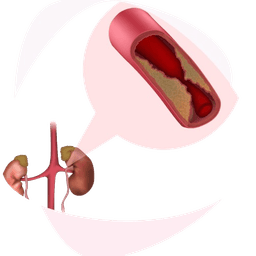
Renal Angioplasty Restoring Kidney Blood Flow
Renal angioplasty is an interventional vascular treatment used to manage renal artery stenosis, a condition in which the arteries supplying blood to the kidneys become narrowed due to plaque buildup or vascular disease. During the procedure, a thin catheter is guided through the blood vessels to the narrowed renal artery, where a balloon is inflated to open the blockage and restore circulation. In many cases, a vascular stent is also placed to help maintain long term artery patency. The treatment is commonly recommended for patients with resistant hypertension, reduced kidney function, recurrent fluid overload, or compromised kidney circulation caused by arterial narrowing. Compared to open vascular surgery, renal angioplasty offers shorter recovery time, reduced hospital stay, and lower procedural trauma while effectively improving renal blood flow.
Vascular Surgery
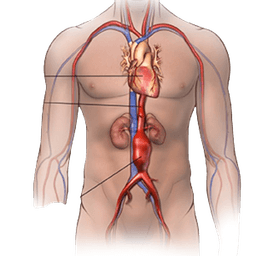
Abdominal Aortic Aneurysm
An Abdominal Aortic Aneurysm (AAA) is a localized enlargement of the lower part of the aorta, the main blood vessel that supplies blood to the body. When the wall weakens, it can expand and, if left untreated, may rupture and cause massive internal bleeding. Screening and timely surgical or endovascular repair are vital to prevent rupture and improve survival rates.

Vascular Surgery
Aortic Aneurysm Repair
Aortic aneurysm repair is a life-saving procedure performed to reinforce a weakened section of the aorta, the main artery carrying blood from the heart. Depending on the aneurysm’s size and location, treatment may involve open surgical graft replacement or minimally invasive endovascular stent graft placement. Timely repair prevents rupture and ensures long-term vascular stability.
Vascular Surgery
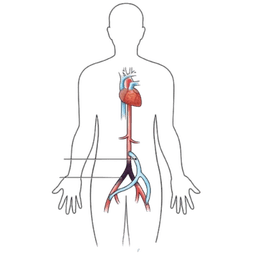
Aortofemoral Bypass Surgery
Aortofemoral Bypass Surgery is a major vascular procedure designed to restore circulation to the lower limbs in patients with blocked or narrowed aortoiliac arteries. Using a synthetic graft, surgeons create a bypass from the abdominal aorta to the femoral arteries, improving blood flow, reducing pain, and preventing limb loss in severe peripheral artery disease.
Vascular Surgery
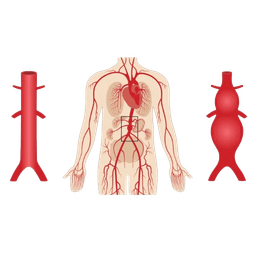
Arterial Aneurysms
Arterial aneurysms occur when a section of an artery weakens and balloons outward due to chronic pressure on the vessel wall. These aneurysms can form in various arteries including the femoral, popliteal, carotid, or visceral arteries. Early detection and management are crucial, as rupture or clot formation can lead to life-threatening bleeding or ischemia.
Vascular Surgery
Balloon Angioplasty
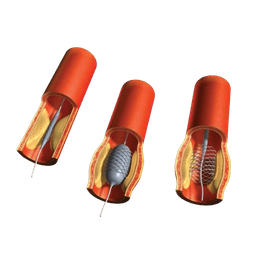
Balloon Angioplasty is a procedure used to open up narrowed or blocked arteries, usually caused by atherosclerosis. During the procedure, a catheter with a small balloon at its tip is guided to the blockage site and inflated to compress plaque and restore blood flow. It’s often combined with stent placement for long-term artery support.
Vascular Surgery
Coarctation of the Aorta Surgery-CoA
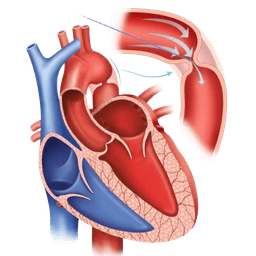
Coarctation of the Aorta (CoA) is a congenital condition where a segment of the aorta is narrowed, obstructing blood flow from the heart to the body. Surgery involves removing or widening the narrowed section to normalize circulation. Early correction is critical to prevent hypertension and heart failure.
Vascular Surgery
Femorofemoral Bypass
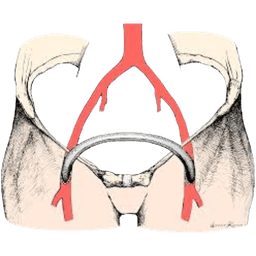
Femorofemoral bypass is an extra-anatomic vascular bypass that connects the common femoral arteries to reroute blood around an obstructed iliac or external iliac segment. It is commonly used when a direct aortoiliac reconstruction carries excessive risk or is anatomically unsuitable. The procedure uses a synthetic graft tunneled subcutaneously to restore durable limb perfusion, relieve ischemic pain, heal ulcers, and reduce the risk of limb loss.
Vascular Surgery
Functional Endoscopic Sinus Surgery - FESS
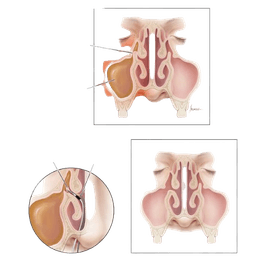
Functional Endoscopic Sinus Surgery (FESS) uses nasal endoscopes and micro-instruments to remove disease and open natural sinus drainage pathways while preserving normal anatomy. It is indicated for chronic rhinosinusitis refractory to medical therapy, recurrent sinus infections, obstructive polyps, or to access complex sinus anatomy. FESS aims to improve ventilation, reduce infection frequency, and preserve mucosal function with less morbidity than open procedures.
Vascular Surgery
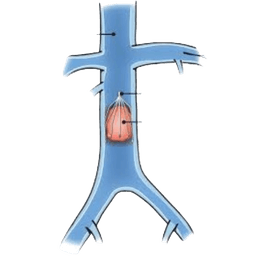
IVC Filter Insertion
An inferior vena cava (IVC) filter is a small, cage-like device placed percutaneously into the IVC to intercept venous thromboemboli traveling from the legs to the lungs. Indications include acute venous thromboembolism with contraindication to anticoagulation, recurrent emboli despite therapy, or temporary protection during high-risk periods. Filters may be permanent or retrievable; careful selection and follow-up minimize long-term complications.
Vascular Surgery
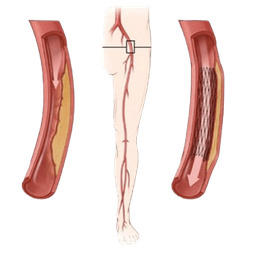
Peripheral Angioplasty
Peripheral angioplasty is a minimally invasive vascular procedure that restores blood flow in arteries narrowed or blocked by plaque buildup. It’s often performed in the legs or arms when patients experience reduced circulation, pain while walking, or non-healing wounds. Using a catheter with a small balloon at its tip, the surgeon gently expands the blocked vessel, sometimes inserting a stent to keep it open. This technique helps prevent serious complications such as ulcers, gangrene, or even limb loss, while greatly improving walking ability and quality of life.
Vascular Surgery
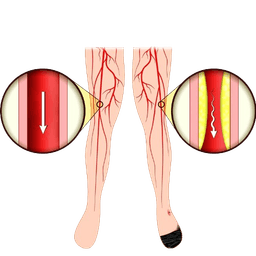
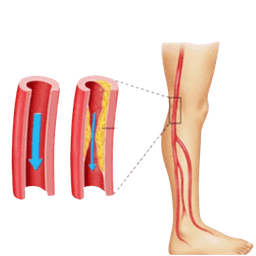
Peripheral Artery Disease
Peripheral artery disease (PAD) is a chronic circulatory condition in which arteries supplying blood to the limbs become narrowed due to atherosclerosis. This restriction limits oxygen delivery to muscles and tissues, especially during activity, causing pain, fatigue, and in advanced stages, tissue damage. PAD is a major yet often underdiagnosed health issue, particularly in people with diabetes, smoking habits, or high cholesterol. Early diagnosis and targeted treatment greatly reduce the risk of limb loss and cardiovascular events.
Vascular Surgery
Peripheral Vascular Surgery
Peripheral vascular surgery includes a range of operations to repair, reconstruct, or bypass damaged arteries and veins outside the heart and brain. It’s typically recommended when non-surgical treatments like angioplasty are no longer sufficient. These surgeries restore blood flow to the limbs, prevent gangrene, and improve walking capacity. With modern techniques and better anesthesia, patients recover faster and benefit from long-term relief and limb preservation.
Vascular Surgery
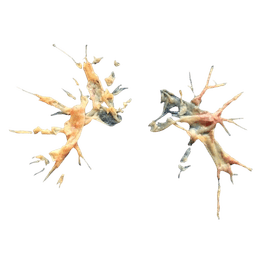
Pulmonary Thromboendarterectomy (PTE)
Pulmonary Thromboendarterectomy (PTE) is a complex surgical procedure performed to remove organized blood clots obstructing the pulmonary arteries. This operation is often the definitive treatment for chronic thromboembolic pulmonary hypertension (CTEPH), a condition that causes severe breathing difficulty and strain on the right side of the heart. By clearing these clots, the procedure significantly improves oxygen delivery and restores normal pulmonary circulation.
Vascular Surgery
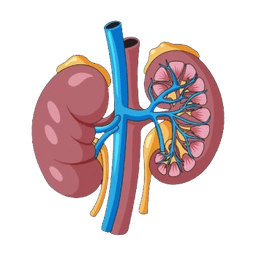
Renal Vein Thrombosis
Renal Vein Thrombosis (RVT) occurs when a blood clot forms in the vein responsible for draining the kidney. This blockage restricts blood flow, increasing venous pressure and potentially leading to kidney damage or failure. RVT can be acute or chronic and is often associated with conditions like dehydration, nephrotic syndrome, trauma, or underlying malignancy. Early recognition and management are crucial to preserving kidney health and preventing systemic complications.
Vascular Surgery
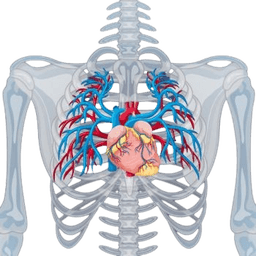
Thoracic Aortic Aneurysm
A Thoracic Aortic Aneurysm (TAA) is a balloon-like bulge in the wall of the aorta within the chest. Over time, this dilation weakens the vessel wall, risking rupture or dissection — both potentially fatal events. TAAs may develop silently or present with subtle symptoms like chest pain, cough, or back discomfort. Early detection through imaging and timely repair are crucial for survival.
Vascular Surgery
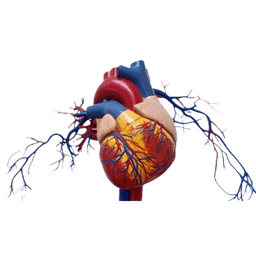
Transposition of Great Arteries Surgery (TGA)
Transposition of the Great Arteries (TGA) is a congenital defect in which the two main arteries leaving the heart are reversed. This causes oxygen-poor blood to circulate through the body and oxygen-rich blood to recirculate in the lungs. Surgery is required soon after birth to restore normal circulation, ensuring the baby receives adequate oxygen for survival and development.
Vascular Surgery
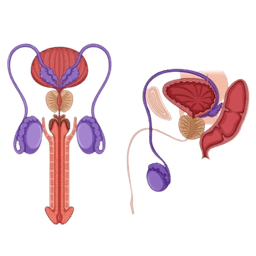
Varicocele (Scrotum Varicose Veins)
Varicocele is a condition where the veins inside the scrotum, known as the pampiniform plexus, become enlarged due to faulty valves or poor blood flow. This leads to pooling of blood, causing warmth, heaviness, and sometimes pain in the scrotum. Over time, it may impair sperm production or reduce testicular function, making early diagnosis and management important.
Vascular Surgery
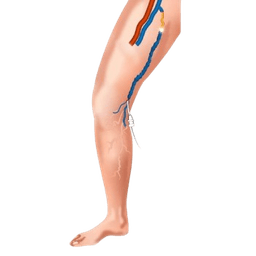
Varicose Veins Ablation
Varicose veins ablation is a modern, minimally invasive procedure that treats enlarged, twisted veins by closing them from within. Using laser or radiofrequency energy, the diseased vein is sealed shut, allowing blood to reroute through healthier veins. This results in improved leg circulation, reduced swelling, and enhanced cosmetic appearance with minimal downtime.
Vascular Surgery
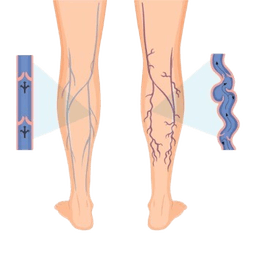
Varicose Veins
Varicose veins occur when the valves in the leg veins weaken, causing blood to pool and veins to enlarge. This chronic condition can cause heaviness, pain, and swelling, and in severe cases, skin changes or ulcers. Modern treatments provide effective, long-term relief with minimal invasiveness.
Vascular Surgery
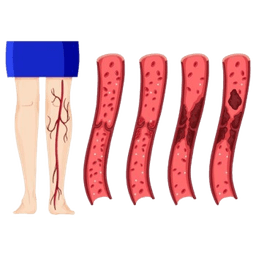
Vascular Lesion Surgery
Vascular lesion surgery addresses abnormal clusters or malformations of blood vessels that can appear superficially in the skin or deeply within tissues and organs. These lesions range from small hemangiomas to complex arteriovenous malformations that impair function, cause pain, swelling, bleeding, or cosmetic concern. Treatment is individualized: options include image-guided embolization to block feeding vessels, microsurgical excision to remove the lesion, or a staged hybrid approach combining both. Early, precise intervention prevents complications, preserves surrounding tissue, and optimizes both functional and aesthetic results.
