
Pediatrics
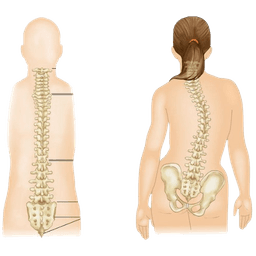
Adolescent Idiopathic Scoliosis
Adolescent Idiopathic Scoliosis (AIS) is a three-dimensional spinal curvature that commonly emerges between ages 10 and 18 without an identifiable cause. Most curves are mild and monitored, but some progress during growth spurts and may affect posture, appearance, and — in severe cases — pulmonary function. Timely screening, accurate measurement, and age-appropriate management are the pillars of good outcomes.
Pediatrics
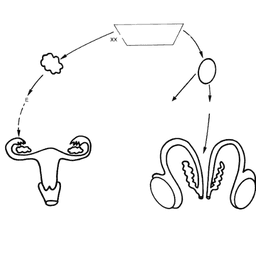
Ambiguous Genitalia Surgery
Ambiguous genitalia surgery is performed to correct or reconstruct the external genital organs in children born with differences in sex development (DSD). The goal is to achieve natural appearance, proper urinary function, and alignment with the child’s gender identity. Each case is unique and guided by a multidisciplinary team that includes pediatric endocrinologists, urologists, and counselors, ensuring both medical and emotional well-being.
Pediatrics
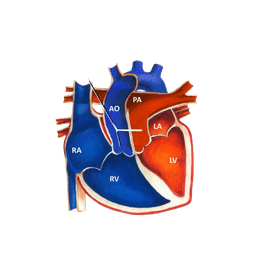
Arterial Switch Operation
The arterial switch operation is a life-saving cardiac surgery performed in newborns born with transposition of the great arteries (TGA). In this condition, the two main arteries leaving the heart are reversed, preventing oxygenated blood from circulating properly. This surgery restores normal blood flow, allowing the child to grow and develop with a healthy heart.
Pediatrics
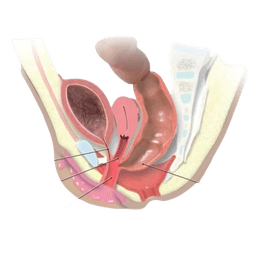
Cloacal Malformation Surgery
Cloacal malformation surgery treats a rare congenital condition in female infants where the urinary, genital, and intestinal tracts form a single opening. This surgery separates and reconstructs each system to restore normal anatomy and function. It is a highly specialized procedure performed by expert pediatric surgeons to ensure long-term continence, fertility, and quality of life.

Pediatrics
Cyclic Vomiting Syndrome
Cyclic Vomiting Syndrome (CVS) is a condition seen mostly in children, marked by sudden, repeated attacks of severe vomiting with symptom-free periods in between. Though its cause isn’t fully understood, it’s often linked to migraine mechanisms, stress, or certain triggers like infection or travel. Early diagnosis and preventive care can reduce attacks and improve a child’s daily life.
Pediatrics
Failure to Thrive (FTT)
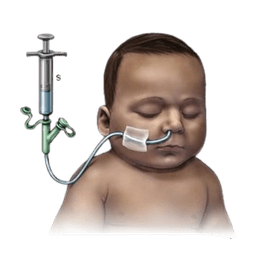
Failure to Thrive (FTT) is a term used when a child’s growth or weight gain is significantly below expected standards for their age and gender. It’s not a single disease but a sign of underlying nutritional, medical, or psychosocial issues. Early recognition and intervention help children regain healthy growth and development.
Pediatrics
Femoroacetabular Impingement Surgery (FAI)
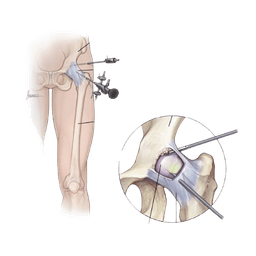
Femoroacetabular impingement (FAI) surgery treats a hip condition where extra bone growth causes friction between the hip joint’s ball and socket. This abnormal contact damages cartilage, leading to pain and stiffness. Surgical correction reshapes the bone and restores smooth motion, reducing the risk of arthritis in young athletes or growing teens.
Pediatrics
Pediatric Myelodysplastic Syndrome (MDS)
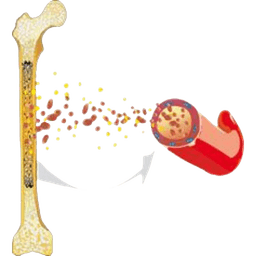
Pediatric Myelodysplastic Syndrome (MDS) is a rare but serious disorder in which a child’s bone marrow doesn’t produce enough healthy blood cells. The marrow becomes inefficient, leading to anemia, infections, or bleeding. While uncommon, it can progress to acute myeloid leukemia (AML), making early diagnosis and close follow-up essential. Treatment depends on severity, genetic factors, and marrow response to therapy.

Pediatrics
Pediatric Bedwetting (Nocturnal Enuresis)
Pediatric bedwetting, medically known as nocturnal enuresis, is a condition where children involuntarily pass urine during sleep. It’s common, especially before age seven, and often linked to delayed bladder control or deep sleep patterns. While most kids outgrow it, persistent cases may need evaluation to rule out underlying causes such as infections or hormonal imbalances.
Pediatrics
Pediatric Inguinal Hernia Repair
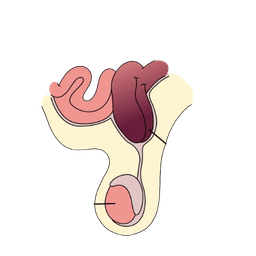
Pediatric inguinal hernia repair is a common surgery that fixes an abnormal opening in the groin where abdominal tissue pushes out. This occurs when the processus vaginalis fails to close after birth. The surgery prevents complications like pain or strangulation, restoring comfort and normal development. It’s usually a short, safe procedure performed under anesthesia.
Pediatrics
Pediatric Otoplasty
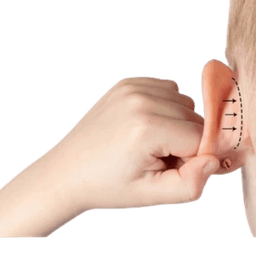
Pediatric Otoplasty is a cosmetic and reconstructive surgery that reshapes a child’s ears to correct protrusion, asymmetry, or deformity. Usually performed after age five when ear growth is nearly complete, it’s a safe outpatient procedure that improves both appearance and confidence. The goal is natural balance without visible scars.
Pediatrics
Pediatrics Head & Spine Trauma
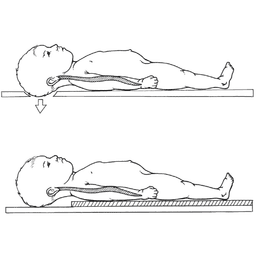
Pediatric Head and Spine Trauma involves injuries to a child’s brain, skull, or spinal cord, often from falls, accidents, or sports. Children require special evaluation since their bones and nervous systems are still developing. Quick diagnosis and treatment prevent long-term neurological issues and promote full recovery.
Pediatrics
Spasticity
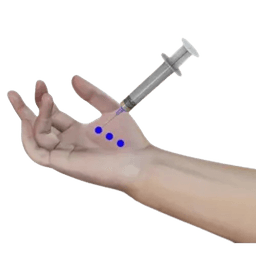
Spasticity is a condition where muscles stay continuously contracted, leading to stiffness, pain, and limited movement. It’s commonly seen in children with cerebral palsy, brain injury, or spinal cord disorders. Managing spasticity aims to improve mobility, prevent deformities, and enhance overall quality of life. Treatment includes therapy, medication, and sometimes surgery, depending on severity.
Pediatrics
Spondylolisthesis
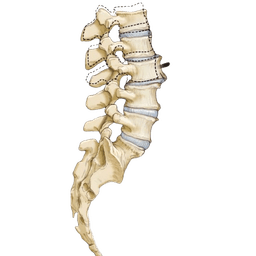
Spondylolisthesis happens when one vertebra slides forward over the one beneath it, affecting spinal stability and nerve function. In children, it can result from birth defects, sports injury, or stress fractures. Early detection prevents progression and chronic pain, and treatment depends on the grade of slippage and symptoms.
