Overview
The Ewing family of tumors represents a group of aggressive cancers that primarily affect the bones or soft tissues.
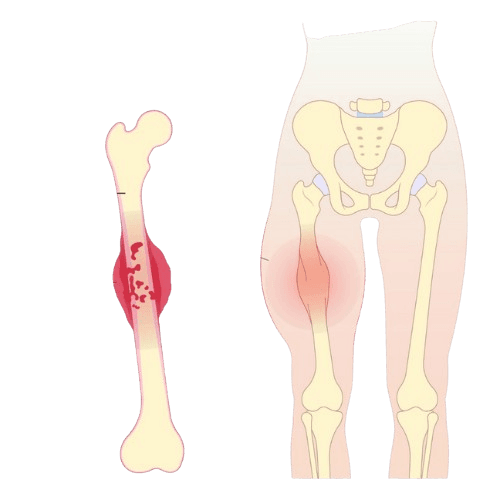
These tumors most often occur in children and young adults, commonly involving the pelvis, femur, or chest wall.
Treatment typically combines chemotherapy, surgery, and sometimes radiation therapy, aiming to eradicate disease and preserve function.
Overview And Clinical Background
Rare pediatric bone and soft tissue tumors
Ewing tumors originate from primitive neuroectodermal cells and belong to a family including classic Ewing sarcoma and Askin tumor.
They are characterized by specific chromosomal translocations involving the EWS gene.
- Origin: Derived from neuroectodermal cells, often in long bones or pelvis.
- Genetic hallmark: EWSR1-FLI1 fusion gene in most cases.
- Epidemiology: Primarily affects adolescents and young adults, more common in males.
Symptoms, Signs And Presentation
Symptoms vary depending on tumor location but often mimic benign conditions.
Persistent pain and swelling are key clues.
- Bone pain: Persistent, deep pain, often worse at night or with activity.
- Swelling or mass: Localised swelling, warmth, or palpable lump.
- Systemic signs: Fever, fatigue, or weight loss in advanced disease.
Diagnosis Methods And Investigations
Imaging and biopsy confirmation
Diagnosis involves imaging to define extent and biopsy to confirm histology and genetics.
Staging scans assess for lung or bone metastases.
- X-ray and MRI: Shows bone destruction with soft tissue extension.
- Biopsy: Confirms diagnosis and identifies EWS translocation.
- Staging: CT chest and bone scan to check metastatic spread.
Treatment Options And Surgical Techniques
Treatment is multimodal, combining chemotherapy, surgery, and radiation therapy.
The goal is cure with limb preservation when possible.
- Chemotherapy: Used before and after surgery to shrink and eliminate microscopic disease.
- Surgery: Wide local resection with limb-sparing techniques when feasible.
- Radiation therapy: For unresectable or margin-positive tumors.
Recovery, Risks And Prognosis
Prognosis depends on stage and response to therapy.
Localized disease has high survival rates with modern protocols; metastatic disease remains challenging but treatable.
Why Choose Us
CureU Healthcare unites pediatric oncologists, orthopedic surgeons, and radiologists to deliver coordinated multimodal care.
We focus on preserving function, minimizing side effects, and maximizing long-term survival.
Conclusion
Ewing family tumors are rare but highly responsive when detected early.
Comprehensive, team-based treatment offers the best outcomes for young patients.

B.U.M.S, M.D. (NAT) | Reg No. 9153 | Ex. Secretary & Treasurer, N.I.M.A.
Qualified healthcare professional in Unani and Naturopathic medicine with deep expertise in traditional healthcare systems, patient-centered clinical care, and medical content review.