Overview
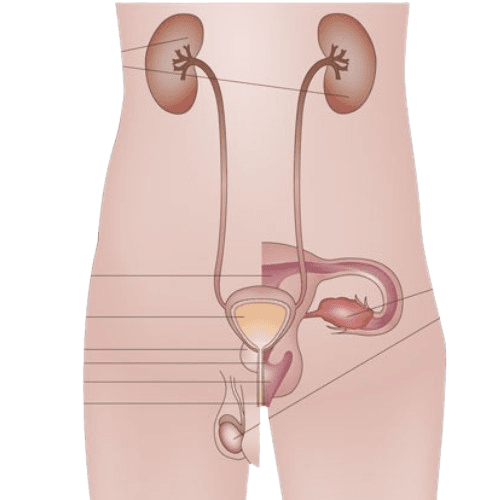
Genitourinary cancer encompasses malignancies of the urinary and reproductive organs.
These include kidney, bladder, testicular, and prostate cancers.
Early detection through screening and imaging helps improve treatment success rates.
Overview And Clinical Background
These cancers originate in the urinary tract or reproductive organs.
They may develop from genetic factors, lifestyle, or exposure to toxins like tobacco.
- Origin:: Includes cancers of the bladder, prostate, kidneys, and testicles.
- Men are more prone due to prostate and testicular malignancies.
- Key factor:: Early-stage detection through imaging and urine tests improves survival.
Symptoms, Signs And Presentation
Symptoms depend on the organ affected.
Persistent urinary or reproductive issues warrant evaluation.
- Common symptom:: Blood in urine (hematuria).
- Pelvic or lower back pain.
- Red flag:: Unexplained weight loss or urinary retention.
Diagnosis Methods And Investigations
Imaging And Laboratory Tests
Diagnosis includes physical examination, imaging, and biopsy confirmation.
Tumor markers may guide management.
- Imaging:: Ultrasound, CT, or MRI for structural visualization.
- Lab tests:: Urinalysis and PSA levels for prostate evaluation.
- Cystoscopy or biopsy for histologic diagnosis.
Treatment Options And Surgical Techniques
Treatment is determined by the cancer type and stage.
Surgery remains the main approach, often supplemented by radiotherapy or chemotherapy.
- Conservative:: Active surveillance in small, indolent tumors.
- Minimally invasive options:: Laparoscopic or robotic prostatectomy and nephrectomy.
- Combination therapy for advanced metastatic disease.
Recovery, Risks And Prognosis
Recovery depends on organ involvement and spread.
Many genitourinary cancers respond well to multimodal therapy when detected early.
Why Choose Us
CureU Healthcare delivers integrated urologic oncology care, advanced robotic surgery, and expert multidisciplinary support for all genitourinary malignancies.
Conclusion
With precision diagnostics and modern therapy, genitourinary cancers can be effectively managed.
Regular screening ensures better long-term outcomes.