Overview
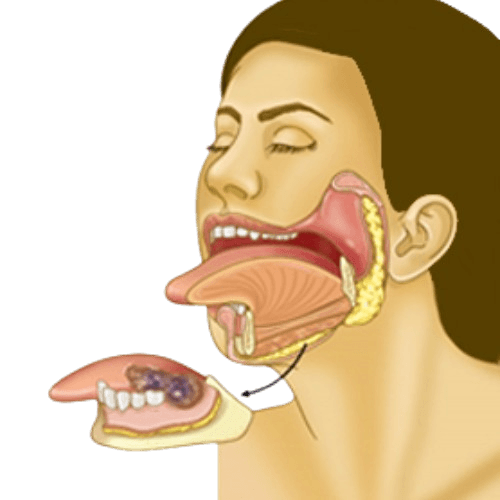
Oral Cancer Surgery involves removing malignant tissues from the mouth and surrounding structures.
CureU Healthcare specializes in functional and aesthetic preservation during treatment.
Overview And Clinical Background
Oral cancer commonly affects the tongue, cheeks, and gums.
Early detection significantly improves outcomes.
- Key point:: Linked to tobacco, alcohol, and HPV infection.
- May begin as a small sore or lesion that doesn’t heal.
- Third point:: Surgical resection remains the cornerstone of management.
Symptoms, Signs And Presentation
Symptoms include persistent ulcers, bleeding, or difficulty swallowing.
Swelling or lumps in the mouth may indicate deeper invasion.
- Common symptom:: Non-healing mouth ulcer or pain.
- Difficulty speaking or chewing.
- Red flag:: Bleeding without injury or sudden weight loss.
Diagnosis Methods And Investigations
Diagnosis includes biopsy, imaging, and staging scans.
Early-stage cases can often be managed surgically alone.
- Imaging:: CT or MRI to assess tumor spread and depth.
- Lab tests:: Histopathology confirms malignancy type.
- HPV testing may be done for certain cancers.
Treatment Options And Surgical Techniques
Surgery aims to remove cancer completely with safe margins.
Reconstruction restores appearance and function.
- Conservative:: Small lesions treated with local excision.
- Minimally invasive options:: Laser excision for superficial lesions.
- Major resections with flap reconstruction for advanced cases.
Recovery, Risks And Prognosis
Recovery varies depending on surgery extent.
Speech and swallowing therapy aid post-op rehabilitation.
Why Choose Us
CureU Healthcare’s head and neck surgeons combine precision, technology, and compassion to deliver functional and aesthetic recovery.
Conclusion
Early surgery offers the best chance of cure.
CureU Healthcare supports every step — from diagnosis to recovery.

B.U.M.S, M.D. (NAT) | Reg No. 9153 | Ex. Secretary & Treasurer, N.I.M.A.
Qualified healthcare professional in Unani and Naturopathic medicine with deep expertise in traditional healthcare systems, patient-centered clinical care, and medical content review.