Overview
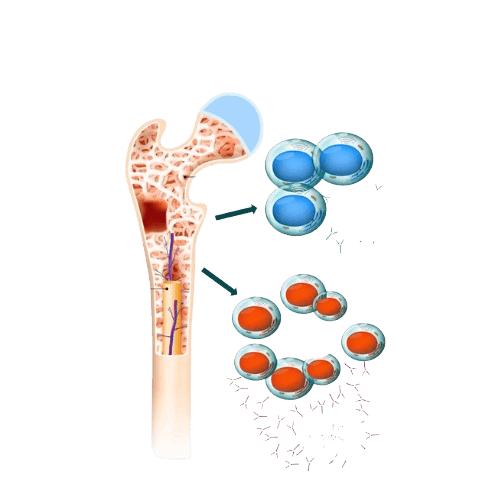
Multiple myeloma arises from abnormal plasma cells in the bone marrow.
These cells multiply uncontrollably, disrupting normal blood formation and damaging bones.
Advances in immunotherapy and stem cell transplant have improved long-term outcomes.
Overview And Clinical Background
This malignancy involves overproduction of a single type of antibody-producing plasma cell.
It causes bone lesions, anemia, and increased infection risk.
- Origin:: From malignant transformation of plasma cells.
- Effect:: Leads to abnormal protein (M protein) production.
- Complication:: Results in bone fragility and kidney strain.
Symptoms, Signs And Presentation
Patients often present with bone pain, fatigue, and recurrent infections.
Kidney issues and anemia are frequent findings.
- Bone pain:: Especially in back or ribs due to lesions.
- Anemia:: Leads to persistent tiredness.
- Infections:: Immunity suppression increases susceptibility.
Diagnosis Methods And Investigations
Imaging And Laboratory Tests
Diagnosis relies on bone marrow biopsy, protein electrophoresis, and imaging for bone damage.
- Blood tests:: Detect abnormal antibodies (M protein).
- Bone marrow biopsy:: Confirms plasma cell proliferation.
- MRI/CT scan:: Reveals bone lesions and fractures.
Treatment Options And Surgical Techniques
Treatment includes targeted therapy, chemotherapy, and stem cell transplantation.
Modern drugs enhance survival significantly.
- Chemotherapy:: Controls plasma cell growth.
- Stem cell transplant:: Restores healthy bone marrow.
- Immunotherapy:: Harnesses immune system to attack cancer cells.
Recovery, Risks And Prognosis
While incurable, multiple myeloma can be managed for years with proper therapy and monitoring.
Why Choose Us
CureU Healthcare offers hematology specialists, modern diagnostic tools, and personalized regimens for myeloma patients.
Conclusion
Multiple myeloma management focuses on extending life, preserving function, and maintaining quality of life.
Early diagnosis leads to better control.
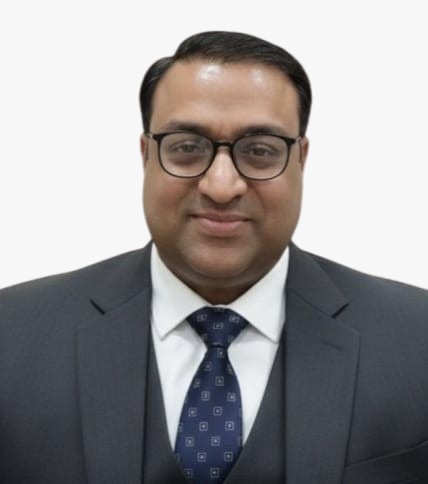
B.U.M.S, M.D. (NAT) | Reg No. 9153 | Ex. Secretary & Treasurer, N.I.M.A.
Qualified healthcare professional in Unani and Naturopathic medicine with deep expertise in traditional healthcare systems, patient-centered clinical care, and medical content review.