Overview
Skin lymphoma (cutaneous lymphoma) includes diverse lymphoid malignancies that primarily involve the skin, most commonly T-cell types like mycosis fungoides and Sézary syndrome.
Presentation ranges from patches and plaques to tumors and erythroderma, and management is highly subtype- and stage-specific, combining skin-directed therapies with systemic options when needed.
Overview And Clinical Background
Types, cellular origin and clinical course
Cutaneous lymphomas arise from malignant lymphocytes homing to the skin and are classified by cell type and behaviour.
Indolent forms may progress slowly over years, while aggressive variants require early systemic therapy; accurate histopathologic and immunophenotypic classification is essential.
- Common subtypes: Mycosis fungoides (cutaneous T-cell lymphoma) and Sézary syndrome (leukemic variant) are the most recognised forms, while primary cutaneous B-cell lymphomas are less common and often behave differently.
- Clinical course: Disease trajectory ranges from chronic skin-only disease to progressive systemic involvement; staging considers skin extent, nodal and blood involvement to guide therapy selection.
- Diagnostic complexity: Diagnosis often requires repeat biopsies, immunophenotyping and correlation with clinical history because early lesions can mimic benign dermatoses.
Symptoms, Signs And Presentation
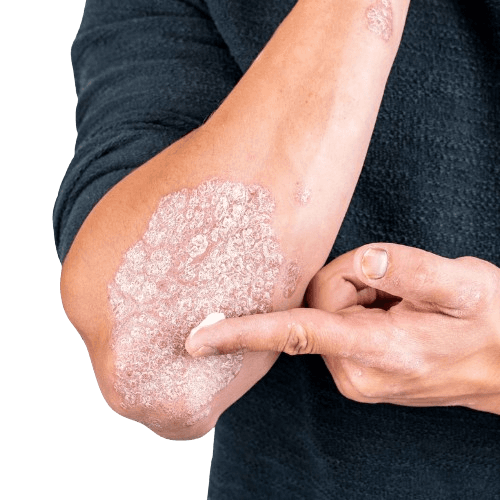
Patients present with persistent scaly patches, plaques, nodules or widespread reddening of the skin (erythroderma).
Symptoms include pruritus, skin thickening, and, in advanced disease, lymphadenopathy and systemic features.
- Early skin lesions: Flat, scaly, often well-demarcated patches that may wax and wane and mimic eczema or psoriasis, leading to diagnostic delay.
- Tumour stage: Raised nodular lesions or tumors may ulcerate and are more likely to harbour aggressive disease requiring systemic therapy.
- Systemic signs: Persistent lymph node enlargement, constitutional symptoms or circulating malignant T-cells in Sézary syndrome indicate more advanced disease and different management approaches.
Diagnosis Methods And Investigations
Skin biopsy, immunophenotyping and staging
Diagnosis depends on skin biopsy with histology and immunohistochemistry, supplemented by flow cytometry of blood, imaging and sometimes bone marrow evaluation.
Multidisciplinary review including dermatology, pathology and oncology improves accuracy.
- Skin biopsy: Excisional or deep punch biopsies provide tissue for histologic architecture assessment and immunostains to define T- or B-cell origin and clonality.
- Blood studies: Flow cytometry and molecular tests detect circulating malignant cells (Sézary cells) and help stage leukemic variants.
- Imaging and staging: CT/PET imaging evaluates nodal and visceral spread in suspected advanced disease and informs prognosis and treatment planning.
Treatment Options And Surgical Techniques
Treatment is tailored to stage: early-stage disease often responds to skin-directed therapies (topical steroids, phototherapy, topical chemotherapy, or localized radiotherapy), while advanced or systemic disease uses systemic agents including retinoids, interferon, multi-agent chemotherapy, immunomodulators or targeted therapies.
Clinical trials and multidisciplinary care are important for complex cases.
- Skin-directed care: Topical corticosteroids, nitrogen mustard, phototherapy (PUVA/UVB) and localized radiotherapy control early limited disease and relieve symptoms with minimal systemic toxicity.
- Systemic therapy: For progressive or widespread disease, systemic agents such as retinoids, interferon, oral chemotherapy, targeted drugs or biologics are used to control disease and improve quality of life.
- Supportive and palliative measures: Pruritus control, wound care for ulcerated lesions, and psychosocial support are integral to long-term management and patient comfort.
Recovery, Risks And Prognosis
Prognosis varies widely: many patients with early-stage cutaneous T-cell lymphoma live for years with skin-directed therapy, while advanced systemic involvement carries a more guarded prognosis; long-term follow-up and symptom management are crucial.
Why Choose Us
CureU Healthcare offers integrated dermatology-oncology teams, precise pathology services, phototherapy units and access to systemic therapies and clinical trials.
We prioritise accurate diagnosis, symptom control and patient-centred long-term care.
Conclusion
Skin lymphoma requires careful diagnostic work-up and stage-tailored therapy to preserve skin function and quality of life.
Early specialist referral and coordinated multidisciplinary care optimise outcomes.

B.U.M.S, M.D. (NAT) | Reg No. 9153 | Ex. Secretary & Treasurer, N.I.M.A.
Qualified healthcare professional in Unani and Naturopathic medicine with deep expertise in traditional healthcare systems, patient-centered clinical care, and medical content review.