

Hematology
Frozen Embryo Transfer (FET)
Frozen embryo transfer (FET) is an IVF procedure in which previously cryopreserved embryos are thawed and transferred into the uterus during an optimally prepared cycle. -br FET allows separation of ovarian stimulation from transfer, reduces risks associated with fresh cycles (like OHSS), and provides the flexibility to time transfer for the best endometrial receptivity. -br Modern vitrification preserves embryo viability very effectively so pregnancy rates from FET are comparable to fresh transfers in many settings.

Hematology
Intracytoplasmic Sperm Injection (ICSI)
Intracytoplasmic sperm injection (ICSI) is a micromanipulation technique used during IVF where a single selected sperm is injected directly into the egg cytoplasm to achieve fertilization. -br ICSI revolutionised treatment for severe male-factor infertility, including low sperm count, poor motility, or abnormal morphology, and is also used after prior fertilization failure. -br The procedure demands specialized embryology equipment and expertise to select viable sperm and perform precise microinjection while preserving oocyte integrity.

Hematology
Laser Assisted Hatching Procedure
Laser assisted hatching (LAH) is a laboratory micromanipulation technique used during IVF to gently thin or create a small opening in the embryo’s zona pellucida so the embryo can hatch and implant more easily. -br It is selectively offered for embryos with thick zona, advanced maternal age, prior implantation failure, or for embryos that have been frozen and thawed. -br LAH is a precision procedure performed by experienced embryologists using calibrated lasers to minimise trauma while maximising implantation potential.

Hematology
Pulmonology
Pulmonology is the medical specialty that deals with the respiratory system, including the lungs, bronchial tubes, and related structures. -br It covers both acute and chronic lung diseases, ranging from infections to structural and autoimmune conditions. -br Pulmonologists use advanced diagnostics like pulmonary function tests, imaging, and bronchoscopy to guide precise treatments.

Hematology
Male Factor Infertility
Male factor infertility refers to conditions where sperm quantity, quality, or delivery are impaired and contribute to a couple’s difficulty conceiving. -br Causes include hormonal disorders, genetic conditions, varicocele, infections, obstructive issues, lifestyle factors and idiopathic problems. -br Evaluation begins with a comprehensive semen analysis and progresses to hormonal testing, imaging and targeted interventions; many cases respond well to surgery, medical therapy or assisted reproduction such as ICSI.

Hematology
Bone Marrow Cancer
Bone marrow cancer refers to malignancies that originate in the blood-forming cells of the bone marrow. -br The marrow, which produces red cells, white cells, and platelets, becomes overrun by abnormal cells, disturbing normal blood production. -br The main types include multiple myeloma, leukemia, and lymphoma, each with distinct patterns, symptoms, and treatment protocols.

Hematology
Bone Marrow Transplant
A bone marrow transplant is a medical procedure where healthy stem cells are infused into the patient to replace damaged or destroyed bone marrow. -br It’s a cornerstone treatment for leukemia, lymphoma, and other hematologic diseases, enabling recovery of normal blood production after intensive chemotherapy or radiation.

Hematology
HIV (Human Immunodeficiency Virus)
HIV is a viral infection that attacks the body’s immune system, specifically the CD4 T-cells that help fight infections. -br Without treatment, it progresses to AIDS (Acquired Immunodeficiency Syndrome). -br Early diagnosis and consistent antiretroviral therapy (ART) can suppress viral load, protect immunity, and enable near-normal life expectancy.

Hematology
Thalassemia
Thalassemia is a group of inherited disorders resulting in reduced or absent synthesis of one of the globin chains of hemoglobin, leading to ineffective erythropoiesis and chronic anemia. -br Clinical severity ranges from mild trait to transfusion-dependent thalassemia major. -br Management combines regular transfusion, iron chelation, monitoring for complications and, when appropriate, curative hematopoietic stem cell transplant or emerging gene therapies. -br Early diagnosis, family counselling and a coordinated long-term plan markedly improve outcomes and lifespan.

Hematology
Oocyte Cryopreservation (Egg Freezing)
Oocyte cryopreservation, commonly called egg freezing, is a fertility preservation technique where mature oocytes are collected after ovarian stimulation and rapidly vitrified for long-term storage. -br It enables women to preserve reproductive potential prior to age-related decline or before therapies (chemotherapy/radiation) that threaten fertility. -br Modern vitrification yields high post-thaw survival and offers realistic chances for future pregnancy when combined with IVF.

Hematology
Autism - Stem Cell Therapy
Stem cell therapy for autism is an emerging regenerative approach designed to enhance neurological and behavioral outcomes in individuals with autism spectrum disorder (ASD). -br The treatment works by modulating inflammation, improving neuronal connectivity, and supporting neurovascular repair using either the patient’s own stem cells (autologous) or carefully matched donor cells. -br Though still under research, controlled and ethical clinical use in specialized centers aims to reduce core symptoms like social withdrawal, repetitive behavior, and speech delay.
Hematology
Transvaginal Oocyte Retrieval - TVOR
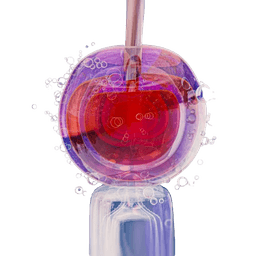
Transvaginal oocyte retrieval (TVOR) is a minor surgical procedure that collects mature eggs from ovarian follicles after stimulation in an IVF cycle. -br It is performed under ultrasound guidance using a thin needle passed through the vaginal wall into each follicle to aspirate the fluid containing oocytes. -br The procedure is brief, safe, and essential for successful IVF fertilisation.
Hematology
Blastocyst Culture and Transfer
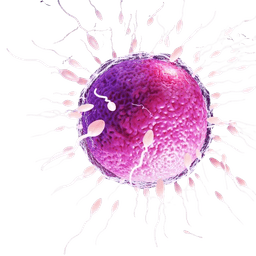
Blastocyst culture and transfer is an advanced IVF technique where embryos are cultured for five to six days until they reach the blastocyst stage, allowing for better selection and higher implantation potential. -br This extended culture mirrors natural development, helping identify the most viable embryos for transfer and reducing the risk of multiple pregnancies.
Hematology
Aplastic Anemia
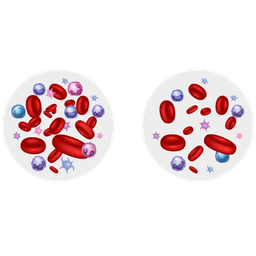
Aplastic anemia is a life-threatening condition in which the bone marrow fails to produce sufficient red cells, white cells and platelets leading to anemia, infections and bleeding. -br Causes include immune-mediated destruction, toxins, viral infections or idiopathic mechanisms. -br Management ranges from supportive transfusions and infection control to immunosuppressive therapy and hematopoietic stem cell transplant for definitive treatment in eligible patients.
Hematology
Autologous Bone Marrow Transplant
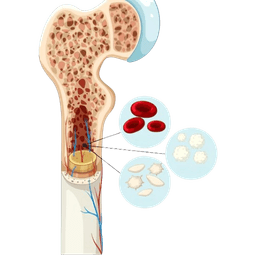
An autologous bone marrow transplant is a procedure in which a patient’s own stem cells are collected, preserved, and re-infused after intensive chemotherapy or radiation therapy. -br It’s primarily used in treating blood cancers like multiple myeloma and certain lymphomas. -br The key benefit is lower risk of rejection and graft-versus-host disease since the patient’s own cells are used.

Hematology
Autologous Stem Cell Transplant for Lymphoma
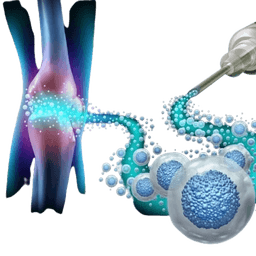
Autologous stem cell transplant (ASCT) is a cornerstone therapy for relapsed or high-risk lymphoma, allowing the use of aggressive chemotherapy to eradicate cancer while rescuing marrow function through reinfusion of the patient’s own stem cells. -br This approach enhances survival outcomes, prolongs remission, and avoids the immune complications of donor transplants.
Hematology
Allogeneic Bone Marrow Transplant
Allogeneic bone marrow transplant is a major, potentially curative therapy in which healthy hematopoietic stem cells from a carefully matched donor are infused into a recipient whose own marrow is failing or diseased. -br The donor cells re-establish blood cell production and immune function and can exert a graft-versus-disease effect against malignancy. -br This complex pathway involves conditioning, transplant, close inpatient monitoring and long-term immunosuppression and surveillance to maximize engraftment and minimize complications.
Hematology
Immunotherapy
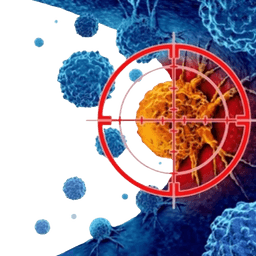
Immunotherapy uses the body’s immune system to identify and eliminate diseased cells, most commonly in cancers of the blood and immune system. -br Treatments range from monoclonal antibodies and checkpoint inhibitors to adoptive cell therapies (including CAR-T) that reprogram immune cells to attack malignancy. -br In hematology, immunotherapy is used to achieve durable remissions with an emphasis on careful patient selection, toxicity monitoring and combining with systemic therapies when needed. -br The goal is a targeted, durable anti-disease response with preservation of overall immune function.

Hematology
Blastocyst Culture and Transfer
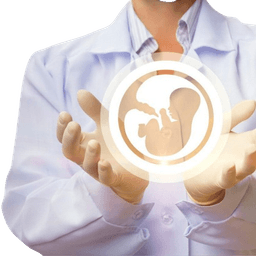
Blastocyst culture and transfer is an advanced IVF approach in which embryos are cultured in the laboratory for five to six days until they reach the blastocyst stage before transfer. -br Extending culture to the blastocyst stage allows embryologists to observe developmental milestones, select embryos with higher implantation potential, and better synchronise embryo readiness with the uterine environment. -br This strategy can increase per-transfer pregnancy rates, enable single-embryo transfer policies to reduce twin pregnancy risk, and improve selection for preimplantation genetic testing when indicated.
Hematology
Fertility Preservation And Reproductive Care
Fertility care in the context of hematology focuses on protecting or restoring reproductive capacity for patients facing treatments that impair fertility, such as chemotherapy, radiotherapy or stem cell transplant. -br Interventions include sperm freezing, oocyte or embryo cryopreservation, ovarian tissue preservation, and medical strategies to reduce gonadal toxicity. -br Early counselling and prompt referral before cytotoxic therapy are essential to maximize future fertility options.
Expert Hematology Specialists



Top Hospitals for Hematology

Advanced Multi-Speciality Tertiary Care Hospital
BLK-Max Super Speciality Hospital, New Delhi
650+
350+
30+
Rajendra Place

Flagship Multi-Speciality Tertiary Care Hospital
Indraprastha Apollo Hospital, New Delhi
700+
300+
50+
Sarita Vihar

NABH-Accredited Multi-Speciality Tertiary Care Hospital
Aakash Healthcare Super Speciality Hospital, New Delhi
230+
200+
25+
Dwarka Sector 3

NABH-Accredited Multi-Speciality Tertiary Care Hospital
Batra Hospital & Medical Research Centre, New Delhi
500+
250+
42+
Tughlakabad Institutional Area