Overview
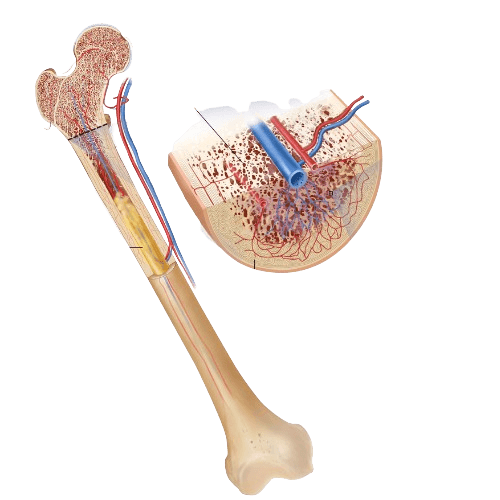
Acute Myeloid Leukemia (AML) is an aggressive malignancy of bone marrow progenitor cells that leads to rapid accumulation of immature myeloblasts, causing anemia, infections and bleeding.
Timely bone marrow biopsy, cytogenetic and molecular profiling are essential to determine prognosis and guide intensive induction chemotherapy, targeted agents, and consideration for stem cell transplant in eligible patients.
Overview And Clinical Background
Biology and clinical urgency
AML arises from genetic alterations in myeloid precursor cells that disrupt differentiation and apoptosis, producing blasts that crowd the marrow.
It is a medical emergency when presenting with high blast counts or marrow failure, and molecular classification (FLT3, NPM1, IDH) directs targeted therapies.
- Pathogenesis: Clonal proliferation of immature myeloid blasts in bone marrow and blood.
- Molecular markers: Mutations like FLT3, NPM1, IDH1/2 guide prognosis and therapy.
- Clinical urgency: Rapid diagnosis and treatment initiation are critical to prevent complications.
Symptoms, Signs And Presentation
Patients present with symptoms of marrow failure such as fatigue, pallor, infections, fever, easy bruising or bleeding.
Some present with gum hypertrophy, bone pain, or organomegaly depending on disease burden.
- Anemia-related: Tiredness, breathlessness and pallor from low red cells.
- Infection risk: Frequent or severe infections due to neutropenia.
- Bleeding: Easy bruising, petechiae or prolonged bleeding from thrombocytopenia.
Diagnosis Methods And Investigations
Blood, marrow and molecular testing
Diagnosis requires peripheral blood counts, smear review and bone marrow aspirate/biopsy with immunophenotyping, cytogenetics and molecular profiling.
These tests determine risk stratification and therapy choices.
- Bone marrow biopsy: Shows ≥20% myeloblasts or diagnostic variants consistent with AML.
- Flow cytometry: Defines blast immunophenotype for diagnosis and measurable residual disease tracking.
- Molecular testing: PCR/NGS panels identify targetable mutations and inform prognosis.
Treatment Options And Surgical Techniques
Initial treatment is intensive induction chemotherapy to achieve remission, followed by consolidation with further chemo or allogeneic stem cell transplant for high-risk disease; targeted agents (FLT3, IDH inhibitors) and clinical trials play a growing role.
Supportive care (transfusions, antimicrobials) is integral throughout therapy.
- Induction therapy: Intensive multi-agent chemotherapy aimed at rapid blast clearance.
- Consolidation and transplant: High-dose chemo or allogeneic stem cell transplant for durable remission in eligible patients.
- Targeted agents: Mutation-directed drugs (e.g., FLT3 or IDH inhibitors) integrated into regimens when indicated.
Recovery, Risks And Prognosis
Prognosis depends on age, cytogenetics and molecular profile; younger patients with favourable markers respond well while adverse genetics carry higher relapse risk.
Treatment-related complications include infection, organ toxicity, and transplant-related morbidity; close multidisciplinary supportive care is essential.
Why Choose Us
CureU Healthcare delivers rapid diagnostic panels, evidence-based induction protocols, access to targeted therapies and transplant programs, plus intensive inpatient support for complications.
Our hematology-oncology team personalises treatment to molecular risk and patient fitness.
Conclusion
AML requires urgent specialist assessment and risk-adapted therapy to maximise remission and survival.
Early referral to a centre offering molecular testing and transplant options greatly improves outcomes.

B.U.M.S, M.D. (NAT) | Reg No. 9153 | Ex. Secretary & Treasurer, N.I.M.A.
Qualified healthcare professional in Unani and Naturopathic medicine with deep expertise in traditional healthcare systems, patient-centered clinical care, and medical content review.