ENT
Adenoidectomy
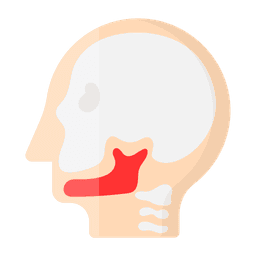
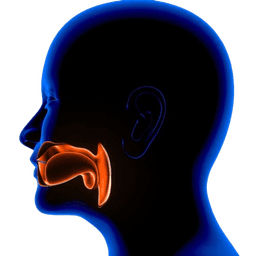
Adenoidectomy is a surgical procedure performed to remove the adenoids, which are lymphoid tissues located at the back of the nasal cavity. These tissues are part of the immune system but can become enlarged due to recurrent infections, allergies, or chronic inflammation.-brWhen adenoids are enlarged, they can block the nasal airway, leading to chronic mouth breathing, snoring, recurrent sinus infections, ear infections, and sleep disturbances. In children, untreated enlarged adenoids can also affect facial growth and speech development.-brThe procedure is commonly performed in children but can also be indicated in adults with persistent symptoms. It is a short, safe, and effective surgery performed under general anesthesia, often as a day-care procedure with quick recovery and excellent outcomes.
ENT
Adenotonsillectomy (Tonsil and Adenoid Removal Surgery)
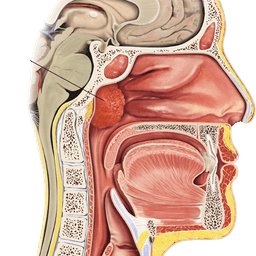
The tonsils and adenoids are lymphoid tissues located in the throat and behind the nasal cavity that play a role in immune defense during early childhood. However, when they become chronically enlarged or infected, they can lead to repeated throat infections, difficulty swallowing, nasal obstruction, snoring, and obstructive sleep apnea. Adenotonsillectomy is performed under general anesthesia and involves complete or partial removal of these tissues using surgical dissection, electrocautery, or advanced coblation techniques. The procedure is carefully planned after clinical evaluation, sleep studies (if needed), and ENT examination. In pediatric cases, it significantly improves breathing patterns, sleep quality, appetite, and behavioral symptoms linked to sleep disruption. Recovery is typically smooth, with most patients returning to normal activities within one to two weeks depending on age and condition severity.
ENT
Arytenoidectomy
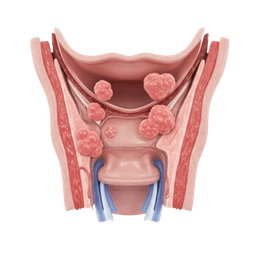
Arytenoidectomy is an advanced laryngeal surgery primarily used to manage airway compromise caused by impaired vocal cord mobility. The procedure is typically performed endoscopically using a laser or microsurgical instruments, avoiding external incisions and reducing recovery time. By removing or reshaping the arytenoid cartilage, the surgeon enlarges the posterior glottic space, improving breathing while preserving as much voice quality as possible. This technique is widely used in patients with vocal cord paralysis, laryngeal stenosis, or structural airway narrowing, offering a balance between airway improvement and functional outcomes.
ENT
Caldwell-Luc Antrostomy
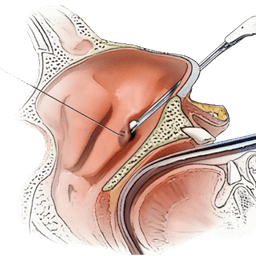
The maxillary sinuses are air-filled cavities located in the cheekbones that help humidify inhaled air and lighten skull weight. When these sinuses become chronically infected or obstructed, patients may develop persistent facial pain, nasal blockage, foul-smelling discharge, headache, and recurrent sinus infections. Caldwell-Luc antrostomy is performed under general anesthesia by making an incision in the upper gum above the canine teeth, allowing direct access to the maxillary sinus. The surgeon removes infected mucosa, polyps, or debris and creates a drainage pathway into the nasal cavity. While functional endoscopic sinus surgery (FESS) is now the preferred approach, Caldwell-Luc is still used when endoscopic access is limited or when extensive disease is present. Recovery involves gradual healing of the incision and improvement of sinus ventilation over several weeks.
ENT
Canalplasty
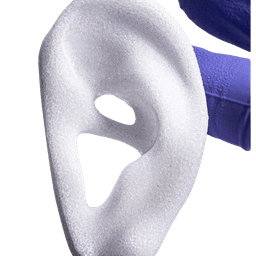
Canalplasty is an advanced otologic procedure designed to restore the normal structure and function of the ear canal in patients affected by narrowing due to congenital defects, repeated infections, trauma, or bony growths such as surfer’s ear. The surgery is typically performed under microscopic or endoscopic guidance, allowing the surgeon to precisely remove obstructive bone or tissue while preserving delicate surrounding structures. By widening the canal, the procedure improves sound transmission to the eardrum and facilitates natural ear cleaning mechanisms. It is often combined with other ear procedures such as tympanoplasty when necessary. Canalplasty not only enhances hearing outcomes but also significantly reduces recurrent infections and discomfort, making it a highly effective and durable solution when conservative treatments fail.

ENT
Cholesteatoma
Cholesteatoma is an abnormal growth of skin cells inside the middle ear that can gradually expand and destroy nearby structures, including the eardrum and small hearing bones.-brIt is not a tumor, but it behaves aggressively and can lead to chronic ear infections, hearing loss, dizziness, and even serious complications if untreated.-brTreatment is primarily surgical, aimed at completely removing the cholesteatoma and preserving or restoring hearing as much as possible. Early diagnosis and expert ENT surgical care are critical to preventing long-term damage.
ENT
Coblation Tonsillectomy
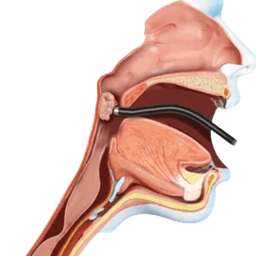
Coblation tonsillectomy is an advanced technique for removing tonsils using controlled radiofrequency energy to dissolve tissue at low temperatures.-brCompared to traditional tonsillectomy, coblation causes less tissue damage, reduced bleeding, and faster recovery, making it especially beneficial for children and adults with recurrent tonsillitis, sleep apnea, or enlarged tonsils.-brIt is widely used in modern ENT practice due to improved patient comfort and safety.
ENT
Cochlear Implantation
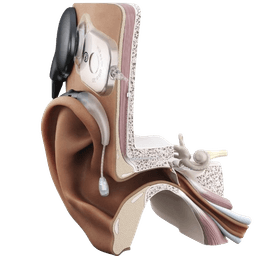
Cochlear Implantation is a highly advanced surgical procedure designed to restore the perception of sound in individuals with severe to profound sensorineural hearing loss who do not benefit from hearing aids.-brUnlike hearing aids, which amplify sound, a cochlear implant bypasses damaged parts of the inner ear and directly stimulates the auditory nerve, allowing sound signals to reach the brain.-brThe procedure involves implanting a small electronic device under the skin behind the ear, with electrodes placed inside the cochlea (inner ear). An external processor captures sound, converts it into digital signals, and transmits them to the implanted device.-brCochlear implantation can significantly improve speech understanding, communication ability, and quality of life for both children and adults, especially when combined with auditory training and rehabilitation therapy.

ENT
Ear Foreign Body Removal
Ear foreign body removal is a commonly performed ENT procedure for children and adults who have objects trapped within the external ear canal. Foreign bodies may include beads, insects, cotton fragments, food particles, hearing aid components, or small toys. Using specialized instruments, suction devices, or microscope-guided techniques, the ENT specialist carefully removes the object while protecting the ear canal and eardrum. Early treatment helps prevent complications such as infection, bleeding, hearing difficulties, and damage to surrounding tissues.
ENT
Ear Shape Correction Surgery
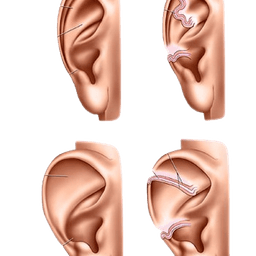
Ear Shape Correction Surgery, commonly known as Otoplasty, is a cosmetic and reconstructive ENT procedure designed to correct prominent, misshapen, or asymmetrical ears. It can be performed in children and adults to improve ear appearance and boost self-confidence.-br The surgery involves reshaping cartilage, repositioning the ears closer to the head, or correcting congenital deformities. It is typically done under local or general anesthesia and offers long-lasting, natural-looking results.
ENT
Endoscopic Septoplasty
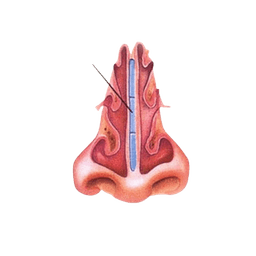
Endoscopic septoplasty is a minimally invasive surgical procedure performed to correct a deviated nasal septum, which is the cartilage and bone that divides the nasal cavity into two nostrils.-br A deviated septum can cause chronic nasal blockage, recurrent sinus infections, snoring, nosebleeds, and difficulty breathing, especially during sleep.-br Using an endoscope (a thin camera-guided instrument), the surgeon visualizes the nasal cavity with high precision and corrects the deviation while preserving healthy tissue.-br Compared to traditional septoplasty, the endoscopic approach offers better visualization, reduced trauma, minimal bleeding, and faster recovery, making it the preferred modern technique in advanced ENT centers.
ENT
Endoscopic Turbinectomy
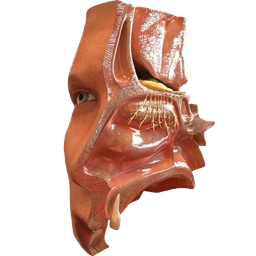
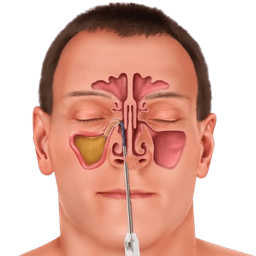
Endoscopic Turbinectomy is a minimally invasive ENT surgical procedure performed to reduce the size of enlarged nasal turbinates, which are structures inside the nose that help filter, humidify, and regulate airflow.-br Enlarged turbinates can cause chronic nasal blockage, breathing difficulty, snoring, recurrent sinus infections, and poor sleep quality.-br The surgery is done using an endoscope, allowing precise visualization and targeted tissue reduction while preserving healthy nasal structures.-br It is commonly recommended for patients who do not respond to medications such as nasal sprays, antihistamines, or decongestants.-br Endoscopic Turbinectomy aims to improve airflow, relieve chronic congestion, and enhance overall nasal function with minimal discomfort and quick recovery.
ENT
Ethmoidectomy
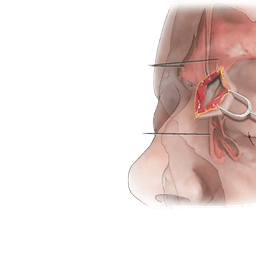
Ethmoidectomy is a surgical procedure performed to remove diseased or obstructed ethmoid sinus cells located between the eyes and behind the nose.-br It is commonly done to treat chronic sinusitis, nasal polyps, fungal infections, or sinus tumors that do not respond to medications.-br The surgery is usually performed endoscopically through the nose without external cuts, making it minimally invasive.-br Ethmoidectomy restores proper sinus ventilation and drainage, reduces recurrent infections, and improves breathing and quality of life.
ENT
Frontoethmoidectomy
Frontoethmoidectomy is a specialized ENT surgical procedure performed to remove diseased tissue from the frontal and ethmoid sinuses. It is commonly recommended for patients with chronic sinusitis, recurrent sinus infections, nasal polyps, or tumors that do not respond to medications or less invasive treatments.-brThis surgery aims to restore proper sinus drainage, reduce inflammation, and improve breathing and overall quality of life. It can be performed using endoscopic (minimally invasive) techniques or through an external approach depending on disease severity and anatomy.-brFrontoethmoidectomy is usually done under general anesthesia and requires a skilled ENT surgeon due to the proximity of critical structures such as the eyes and brain. With modern surgical techniques and postoperative care, most patients experience significant symptom relief and improved sinus function.
ENT
Hearing Loss Treatment
Hearing loss is a common condition that can affect individuals of all ages and may develop gradually or occur suddenly due to disease, aging, injury, infections, noise exposure, or structural abnormalities of the ear. Modern ENT specialists use comprehensive hearing assessments to identify the type and severity of hearing impairment before recommending personalized treatment. Depending on the diagnosis, management may involve medications, hearing aids, cochlear implants, middle ear surgery, or other hearing restoration procedures. Early intervention plays a vital role in preserving hearing function, improving speech understanding, reducing social isolation, and supporting long-term auditory health.

ENT
Hemiglossectomy
Hemiglossectomy is an advanced oncologic surgery primarily indicated for patients diagnosed with tongue cancer or aggressive lesions that do not respond to conservative treatment. During the procedure, the surgeon removes the affected half of the tongue along with a margin of healthy tissue to ensure complete cancer clearance. Reconstruction may involve local tissue rearrangement or microvascular free flap techniques to restore structure and function. Postoperative rehabilitation, including speech and swallowing therapy, plays a vital role in recovery. This procedure not only focuses on tumor removal but also emphasizes functional preservation, enabling patients to regain essential oral abilities and maintain nutritional intake and communication.
ENT
Hypernasal Speech Therapy
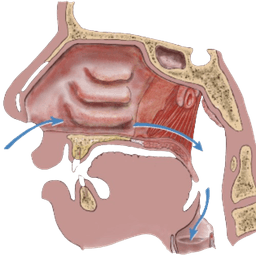
Hypernasal Speech Therapy is a specialized therapeutic intervention designed to treat hypernasality, a speech disorder where excessive air escapes through the nose during speech, causing abnormal resonance and reduced speech clarity.-brHypernasality commonly occurs due to velopharyngeal dysfunction (VPD), cleft palate, neuromuscular disorders, post-surgical changes, or structural abnormalities of the soft palate. Speech therapy focuses on improving velopharyngeal closure, strengthening oral airflow control, and retraining correct speech patterns.-brThe therapy is typically delivered by certified speech-language pathologists (SLPs) and may be combined with surgical or prosthetic interventions depending on the underlying cause. The goal is to improve speech intelligibility, confidence, and overall communication quality, especially in children and adults affected by congenital or acquired conditions.
ENT
Hypophrayngoscopy
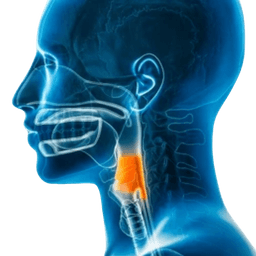
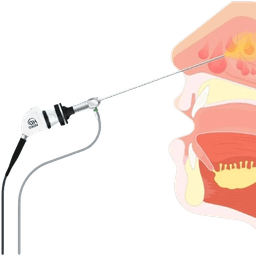
Hypophrayngoscopy is a specialized endoscopic procedure used to examine the hypopharynx, the lower part of the throat located behind and around the voice box.-br It helps ENT specialists diagnose conditions like tumors, strictures, swallowing disorders, chronic throat pain, and unexplained voice or breathing problems.-br The procedure can be diagnostic or therapeutic, allowing doctors to take biopsies, remove lesions, or evaluate structural abnormalities.-br It is usually performed under local or general anesthesia depending on the clinical scenario and patient comfort, and is considered a minimally invasive yet highly informative procedure.
ENT
Image Guided Endoscopic Nasal & Sinus Surgery
Image Guided Endoscopic Nasal & Sinus Surgery is an advanced form of functional endoscopic sinus surgery (FESS) that uses real-time navigation technology to precisely guide the surgeon within the complex sinus anatomy.-br It is especially useful in complex sinus disease, revision surgeries, tumors, and cases with distorted anatomy.-br The navigation system works like a GPS for the surgeon, improving safety and accuracy while minimizing complications.-br This minimally invasive approach preserves healthy tissue and significantly improves sinus drainage, breathing, and quality of life.
ENT
Labyrinthectomy
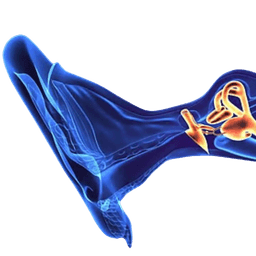
Labyrinthectomy is a specialized surgical procedure performed to treat severe and disabling vertigo that does not respond to medications or conservative treatments. The surgery involves removing or disabling the labyrinth, which is the balance-sensing structure of the inner ear, to eliminate abnormal signals causing dizziness and spinning sensations.-br This procedure is typically recommended for patients with severe Ménière’s disease, chronic vertigo, or inner ear damage where hearing is already significantly reduced or lost. By stopping the malfunctioning balance signals, labyrinthectomy can dramatically improve quality of life and restore functional stability.-br The surgery is performed by experienced ENT surgeons under general anesthesia and requires careful post-operative rehabilitation to help the brain adapt to the changes in balance. With proper care and vestibular therapy, most patients achieve excellent symptom control and regain confidence in daily activities.

ENT
Laryngeal Stenosis
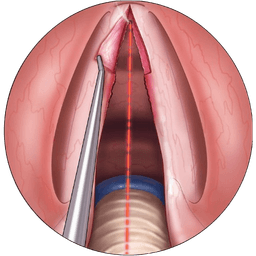
Laryngeal stenosis is a complex airway disorder that requires specialized evaluation and individualized treatment planning. It occurs when scar tissue forms within the larynx, reducing the airway diameter and obstructing normal airflow. Common causes include prolonged use of breathing tubes in intensive care, surgical trauma, radiation exposure, or chronic inflammatory diseases. Depending on the severity and location of the stenosis, treatment options may include endoscopic dilation, laser excision of scar tissue, steroid injections, or open surgical reconstruction such as laryngotracheal reconstruction. In severe cases, temporary airway support like tracheostomy may be required. The primary goal of treatment is to restore adequate airflow, improve voice quality, and prevent recurrence while maintaining airway stability over the long term.
ENT
Laryngeal Web Excision
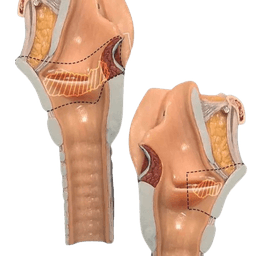
Laryngeal web excision is an advanced ENT procedure performed to treat congenital or acquired webs within the larynx that restrict breathing or voice clarity. Using microlaryngoscopy and fine surgical instruments, the surgeon carefully removes the web while preserving surrounding healthy tissues. In some cases, adjunct techniques such as laser excision or stent placement may be used to prevent recurrence. This procedure is essential for restoring airway patency, improving phonation, and preventing long term complications associated with airway obstruction.
ENT
Laryngectomy
Laryngectomy is a major surgical procedure in which the larynx (voice box) is partially or completely removed. It is most commonly performed to treat advanced laryngeal cancer, severe trauma, or irreversible damage to the larynx. Depending on the disease extent, the surgeon may perform a partial laryngectomy (preserving some voice function) or a total laryngectomy (complete removal of the larynx).-br-brAfter total laryngectomy, breathing is permanently redirected through a stoma (a small opening in the neck), and natural voice is lost. However, modern voice rehabilitation techniques such as tracheoesophageal speech, electrolarynx devices, and esophageal speech therapy allow patients to regain functional communication. The procedure is complex and requires a multidisciplinary team including ENT surgeons, oncologists, speech therapists, and rehabilitation specialists.-br-brRecovery involves wound healing, speech therapy, swallowing rehabilitation, and psychological support. While it is a life-altering surgery, laryngectomy can be lifesaving and significantly improve survival outcomes in patients with advanced laryngeal diseases.
ENT
Laryngoscopy
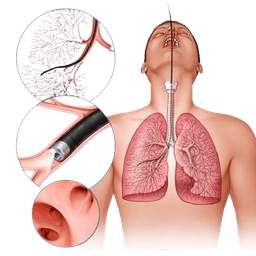
Laryngoscopy is a specialized ENT procedure used to examine the larynx (voice box), vocal cords, and surrounding structures.-brIt helps diagnose voice disorders, chronic cough, throat pain, tumors, nodules, and airway problems.-brThe procedure can be performed using a flexible scope through the nose or a rigid scope through the mouth, depending on the clinical indication.-brLaryngoscopy is commonly done as an outpatient diagnostic test but may also be performed under anesthesia for surgical evaluation and treatment.
ENT
Leukoplakia Excision Surgery
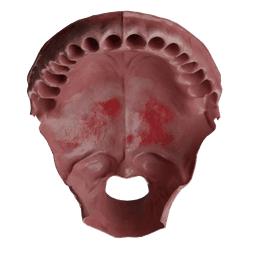
Leukoplakia Excision Surgery is a surgical procedure to remove abnormal white patches (leukoplakia) from the oral cavity, throat, or larynx.-brThese patches are considered potentially precancerous and require careful evaluation and removal to prevent malignant transformation.-brThe surgery is performed using laser, scalpel, or radiofrequency techniques depending on lesion size and location.-brEarly excision significantly reduces the risk of oral and throat cancers and improves long-term outcomes.
ENT
Maxillectomy
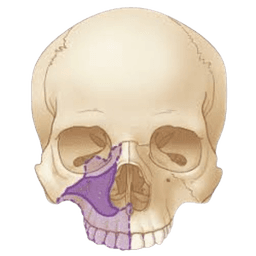
Maxillectomy is a complex surgical procedure that involves partial or complete removal of the maxilla (upper jaw bone). It is most commonly performed for malignant tumors, benign aggressive tumors, or extensive infections affecting the upper jaw and surrounding structures. -brThe surgery may be classified into partial, total, or radical maxillectomy depending on the extent of tissue and bone removed.Reconstruction may involve prosthetic obturators, local flaps, or free tissue transfer to restore function and facial aesthetics. - brPostoperative recovery focuses on wound healing, speech and swallowing rehabilitation, and long- term oncological surveillance.Early diagnosis and multidisciplinary management significantly improve outcomes and quality of life.
ENT
Microdebrider Turbinectomy
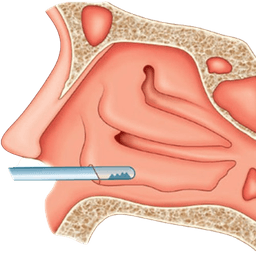
Microdebrider turbinectomy is a modern, minimally invasive surgical procedure used to reduce hypertrophied nasal turbinates that cause chronic nasal obstruction. The microdebrider is a powered instrument that precisely removes excess turbinate tissue while preserving mucosal lining, promoting faster healing and improved nasal airflow. -brThis technique is commonly used for patients with allergic rhinitis, chronic sinusitis, or turbinate hypertrophy unresponsive to medical therapy. It offers reduced bleeding, minimal discomfort, and rapid recovery compared to traditional turbinectomy methods.
ENT
Microtia Surgery
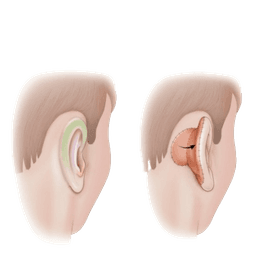
Microtia surgery is an advanced ENT reconstructive procedure designed to create or reshape the outer ear using either the patient’s own rib cartilage or synthetic implants. It is commonly performed in staged procedures to achieve a natural contour and symmetry with the opposite ear. In selected cases, hearing restoration procedures such as canalplasty or bone conduction devices may be combined. The surgery not only enhances facial balance but also plays a crucial role in psychological and social well being by improving self image and communication abilities.
ENT
Middle Ear Infection - Otitis Media
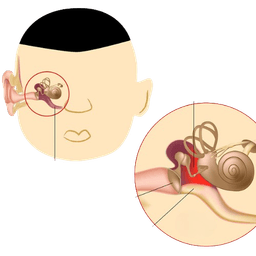
Middle Ear Infection, medically known as Otitis Media, is a common condition where the middle ear becomes inflamed, often due to bacterial or viral infections.-br It is especially prevalent in children but can affect adults as well.-br Symptoms typically include ear pain, hearing difficulties, fluid drainage, fever, and irritability in young children.-br Treatment options vary depending on the type and severity, ranging from conservative management with pain control and antibiotics to surgical interventions like tympanostomy tube insertion.-br Early diagnosis and proper management are crucial to prevent complications such as hearing loss, tympanic membrane perforation, or chronic infections.-br Regular follow-ups with an ENT specialist help ensure effective treatment and monitor long-term ear health.
ENT
Microlaryngeal Surgery - MLS
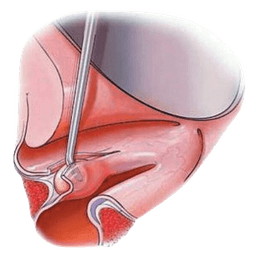
Microlaryngeal Surgery (MLS) is a specialized ENT procedure used to diagnose and treat benign and malignant lesions of the vocal cords and larynx.-br It employs high-precision microsurgical instruments under general anesthesia to remove abnormal tissue while preserving normal laryngeal function.-br MLS is indicated for vocal cord polyps, cysts, papillomas, early-stage cancers, and persistent hoarseness unresponsive to medical therapy.-br The procedure is performed under direct visualization with a surgical microscope, ensuring minimal trauma, precise excision, and preservation of voice quality.-br Postoperative care includes voice rest, anti-reflux measures, and follow-up laryngoscopic evaluation to monitor healing and prevent recurrence.
ENT
Myringoplasty
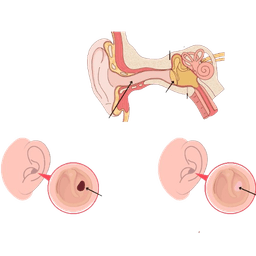
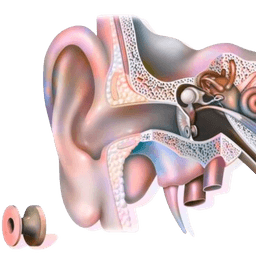
Myringoplasty is a delicate ENT surgical procedure designed to repair perforations in the tympanic membrane, commonly known as the eardrum. The surgery involves grafting tissue, often taken from the patient's own fascia, to close the perforation and restore the integrity of the eardrum.-br-The procedure is typically indicated for patients experiencing recurrent ear infections, chronic otorrhea (discharge from the ear), or hearing loss due to a perforated eardrum. It can also prevent further complications such as cholesteatoma or middle ear infections that may compromise hearing and overall ear health.-br-During the surgery, performed under local or general anesthesia, the ENT surgeon carefully elevates the tympanic membrane, places the graft in the perforated area, and ensures proper alignment to allow optimal healing and sound conduction. The procedure may be performed using an underlay or overlay technique depending on the size and location of the perforation.-br-Recovery after myringoplasty typically involves keeping the ear dry, avoiding heavy lifting or straining, and attending regular follow-ups to monitor healing. Most patients experience gradual improvement in hearing over several weeks, with full recovery usually achieved within a few months. While the procedure has a high success rate, potential risks include infection, graft failure, changes in taste sensation, or persistent hearing loss in rare cases.
ENT
Myringotomy
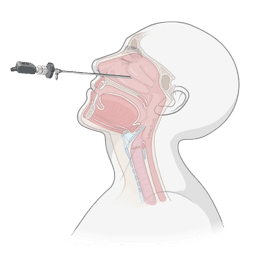
Myringotomy is a minor surgical procedure performed to relieve pressure caused by excessive fluid accumulation in the middle ear. It involves making a small incision in the eardrum to drain fluid and, in some cases, insert a tiny tube to keep the middle ear ventilated.-br This procedure is commonly recommended for patients, especially children, who experience recurrent ear infections or persistent fluid buildup that can impact hearing. It is a quick outpatient procedure usually performed under local or general anesthesia, depending on the patient’s age and medical condition.-br Post-procedure, patients typically experience immediate relief from discomfort, and if a ventilation tube is placed, it helps prevent recurrent fluid accumulation and associated infections. Proper aftercare, including avoiding water entry into the ear and following prescribed medications, is essential to ensure optimal healing and prevent complications.-br While generally safe, potential risks include infection, bleeding, temporary changes in hearing, or scarring of the eardrum. ENT specialists at CureU Healthcare provide thorough pre-operative evaluations and detailed post-operative care to minimize these risks and ensure a smooth recovery.
ENT
Nasal Endoscopy
Nasal endoscopy is an advanced ENT procedure that provides real time detailed imaging of the nasal cavity, septum, turbinates, and sinus drainage pathways. It is commonly performed in outpatient settings without the need for general anesthesia. The procedure assists in diagnosing conditions like chronic sinusitis, nasal polyps, deviated septum, infections, and tumors. In addition to diagnosis, it is also used to guide minor therapeutic interventions such as biopsy or removal of small lesions, making it an essential tool in modern rhinology.
ENT
Neck Dissection Surgery
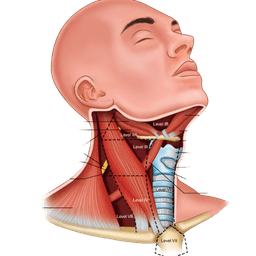
Neck Dissection Surgery is a specialized ENT procedure performed to remove lymph nodes and surrounding tissues in the neck that may be affected by cancer. -br This surgery is crucial for controlling the spread of head and neck cancers and is tailored based on the stage, location, and extent of the disease. -br Modern techniques aim to maximize cancer control while preserving essential nerves, muscles, and vascular structures, minimizing functional and cosmetic impact. -br Postoperative care is critical and involves monitoring for complications such as nerve injury, hematoma, infection, and shoulder dysfunction. Recovery is progressive, often involving physiotherapy to restore neck mobility and strength. -br Patient counseling and a multidisciplinary approach are key to optimizing outcomes and ensuring holistic care throughout the treatment journey.

ENT
Mastoidectomy
Mastoidectomy is a specialized ENT surgical procedure performed to remove infected or diseased mastoid air cells located in the mastoid bone behind the ear.-brThis surgery is commonly recommended for patients with chronic ear infections, cholesteatoma, or complications of middle ear disease that do not respond to medical treatment.-brThe mastoid bone contains honeycomb-like air cells that connect to the middle ear, and infection in these spaces can spread to the brain or facial nerve if untreated.-brThe primary goals of mastoidectomy are to eliminate infection, prevent life-threatening complications, preserve hearing function, and restore healthy ear anatomy.

ENT
Hirsutism
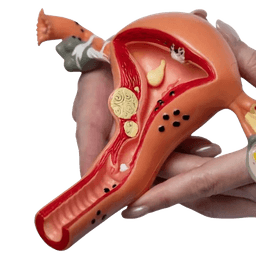
Hirsutism is a medical condition characterized by excessive, coarse, dark hair growth in women in areas where hair is typically minimal or absent, such as the face, chest, back, abdomen, and inner thighs. This pattern of hair growth is usually driven by increased androgen levels or heightened sensitivity of hair follicles to androgens, which are male hormones present in both men and women.-br-br While hirsutism itself is not life-threatening, it can significantly affect a woman’s self-esteem, mental health, and overall quality of life. The condition may be idiopathic (with no identifiable cause) or associated with underlying disorders such as polycystic ovary syndrome (PCOS), adrenal gland disorders, thyroid imbalance, or certain medications.-br-br Effective management of hirsutism requires a thorough clinical evaluation to identify the root cause, followed by a personalized treatment plan. Treatment may include medical therapy to control hormone levels, cosmetic or procedural hair removal methods, and long-term follow-up to ensure sustained improvement and emotional well-being.
ENT
Fibroid Removal Surgery-Myomectomy
Fibroid Removal Surgery, medically known as Myomectomy, is a specialized surgical procedure aimed at removing uterine fibroids while preserving the uterus.-brThis treatment is especially important for women who wish to maintain fertility or retain their uterus for personal or medical reasons.-brDepending on the size, number, and location of fibroids, myomectomy can be performed through open surgery, laparoscopy, hysteroscopy, or robotic-assisted techniques.-brThe procedure focuses on symptom relief such as heavy menstrual bleeding, pelvic pain, pressure symptoms, and fertility-related challenges while maintaining uterine integrity.-brWith advancements in surgical technology and perioperative care, myomectomy today offers high success rates, faster recovery, and improved quality of life when performed at experienced centers.

ENT
Gynaecologic Reconstructive Surgery
Gynaecologic Reconstructive Surgery encompasses a range of advanced surgical procedures aimed at restoring normal pelvic anatomy and function in women.-brThese surgeries are commonly performed to address pelvic organ prolapse, congenital anomalies, trauma-related defects, or complications from previous surgeries.-brThe primary goal is not only anatomical correction but also improvement in bladder, bowel, and sexual function, thereby enhancing overall quality of life.-brWith modern techniques, including minimally invasive and robotic-assisted approaches, reconstructive gynecologic surgery has become safer, more precise, and associated with faster recovery.
ENT
Female Sterilization – Tubectomy
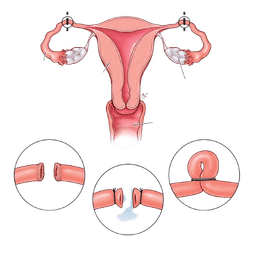
Female Sterilization, medically known as Tubectomy, is a permanent surgical method of contraception designed for women who have completed their family and are certain about not wanting future pregnancies.-br-br In this procedure, the fallopian tubes are blocked, cut, or sealed to prevent the egg from traveling from the ovaries to the uterus, thereby eliminating the possibility of fertilization.-br-br Tubectomy is considered a safe, effective, and long-term solution for birth control when performed by experienced clinicians in a well-equipped medical setting. The surgery can be done using minimally invasive techniques such as laparoscopy, which reduces hospital stay, postoperative discomfort, and recovery time.-br-br At CureU Healthcare, female sterilization is approached with sensitivity, thorough counseling, and strict adherence to clinical safety protocols, ensuring that every patient makes an informed, confident decision about her reproductive health.
ENT
Endometrial Ablation
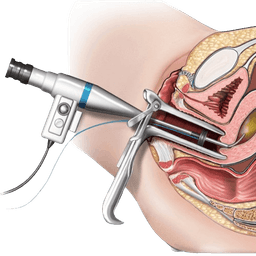
Endometrial Ablation is a minimally invasive gynecological procedure designed to treat abnormal or heavy menstrual bleeding (menorrhagia) in women who have not responded well to medical therapy.-br-The procedure works by carefully destroying or removing the endometrial lining of the uterus, which is responsible for menstrual bleeding. By reducing or eliminating this lining, menstrual flow becomes significantly lighter, and in some cases, periods may stop altogether.-br-Endometrial Ablation is typically recommended for women who have completed their families, as pregnancy after the procedure can be unsafe. It is performed using advanced techniques such as thermal energy, radiofrequency, cryotherapy, or microwave energy, depending on the patient’s anatomy and clinical condition.-br-The procedure is usually done as a day-care surgery, requires minimal anesthesia, and allows for a quick return to normal activities. Proper patient selection, detailed pre-procedure evaluation, and expert execution are key to achieving long-term symptom relief and improved quality of life.
ENT
Endometriosis Surgery
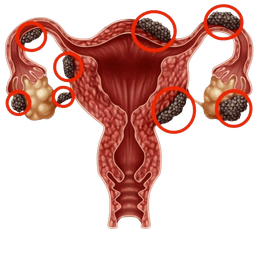
Endometriosis Surgery is a specialized surgical intervention aimed at diagnosing and treating endometriosis, a condition where tissue similar to the uterine lining grows outside the uterus.-br-These abnormal implants can cause chronic pelvic pain, painful periods, pain during intercourse, and fertility issues. Surgery focuses on removing or destroying endometriotic lesions while preserving healthy tissue and reproductive organs whenever possible.-br-The procedure is most commonly performed using minimally invasive laparoscopic techniques, allowing for precise visualization and treatment with minimal trauma. In advanced cases, more extensive surgery may be required, depending on the spread and severity of the disease.-br-Endometriosis Surgery plays a crucial role when medical therapy fails or when symptoms significantly affect quality of life. Expert surgical skill and individualized planning are essential to achieve symptom relief, reduce recurrence, and support long-term reproductive and overall health.
ENT
Diagnostic Laparoscopy
Diagnostic Laparoscopy is a minimally invasive surgical procedure that allows doctors to directly visualize the organs inside the abdomen and pelvis using a thin camera called a laparoscope.-br-It is commonly recommended when imaging tests such as ultrasound, CT scan, or MRI do not provide clear answers, especially in cases of chronic abdominal pain, unexplained infertility, pelvic infections, or suspected internal bleeding.-br-By making small keyhole incisions, the surgeon can accurately identify the root cause of symptoms while minimizing tissue damage, pain, and recovery time.-br-Diagnostic laparoscopy not only improves diagnostic precision but also helps avoid unnecessary open surgeries, enabling faster clinical decision-making and better patient outcomes.
ENT
Colposcopy
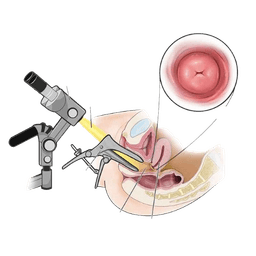
Colposcopy is a specialized diagnostic procedure performed to closely examine the cervix, vagina, and vulva using a magnified lighted instrument called a colposcope.-brIt is commonly recommended when Pap smear results are abnormal, HPV tests are positive, or when symptoms such as unexplained bleeding or persistent discharge are present.-brThe procedure allows doctors to identify suspicious areas with high precision and, if required, take targeted biopsies for accurate diagnosis.-brColposcopy is generally quick, outpatient-based, and does not require anesthesia, making it a safe and effective tool for early detection of precancerous or cancerous changes.

ENT
Cystoscopy
Cystoscopy is a minimally invasive diagnostic procedure that allows doctors to directly visualize the inside of the bladder and urethra using a thin, flexible or rigid instrument called a cystoscope.-brIt is commonly used to investigate urinary symptoms such as blood in urine, recurrent infections, difficulty urinating, or unexplained pelvic pain.-brThe procedure provides real-time, accurate assessment of the urinary tract and helps guide further treatment decisions.-brCystoscopy is typically performed as an outpatient procedure and plays a key role in diagnosing both benign and serious urological conditions.
ENT
Blocked Fallopian Tube
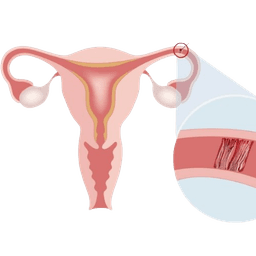
A Blocked Fallopian Tube is a medical condition where one or both fallopian tubes are partially or completely obstructed, preventing the egg and sperm from meeting naturally.-brFallopian tubes play a critical role in natural conception, as fertilization typically occurs within these tubes. When a blockage exists, it can significantly reduce the chances of pregnancy or lead to complications such as ectopic pregnancy.-brThis condition is often silent, meaning many women experience no obvious symptoms until they face difficulty conceiving. Causes may include pelvic inflammatory disease, previous abdominal or pelvic surgery, endometriosis, tuberculosis, or sexually transmitted infections.-brModern diagnostic techniques and minimally invasive treatments now allow accurate identification and effective management of blocked fallopian tubes, helping many women regain their fertility and reproductive confidence.
ENT
Anal Sphincteroplasty
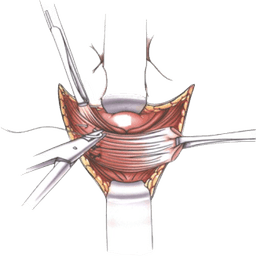
Anal Sphincteroplasty is a specialized reconstructive surgical procedure performed to repair and restore the function of damaged or weakened anal sphincter muscles.-brThese muscles play a critical role in maintaining bowel continence, and damage can result from childbirth trauma, previous anorectal surgeries, injuries, or long-standing sphincter degeneration.-brThe primary aim of this procedure is to improve continence, reduce accidental stool leakage, and significantly enhance a patient’s quality of life.-brDuring the surgery, the damaged ends of the sphincter muscles are carefully identified, mobilized, and overlapped or sutured together to recreate a functional muscular ring.-brAnal Sphincteroplasty is usually recommended when conservative treatments such as pelvic floor exercises, medications, or biofeedback have failed to provide adequate relief.-brWith proper patient selection, meticulous surgical technique, and structured postoperative rehabilitation, the procedure can offer durable improvement in continence and daily comfort.
ENT
Anterior Posterior Repair Colporrhaphy
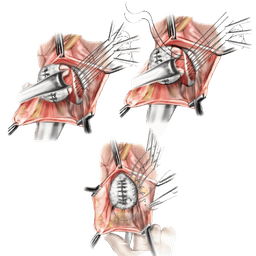
Anterior Posterior Repair Colporrhaphy is a reconstructive pelvic surgery designed to correct vaginal wall prolapse involving the bladder (anterior compartment) and rectum (posterior compartment).-brThis condition commonly develops due to childbirth trauma, aging, hormonal changes, or chronic increased abdominal pressure, leading to symptoms such as vaginal bulge, urinary issues, bowel difficulty, and pelvic discomfort.-brThe procedure aims to restore normal vaginal anatomy, strengthen weakened supportive tissues, and relieve associated symptoms.-brBy repairing both the anterior and posterior vaginal walls, the surgery improves pelvic organ support and enhances daily comfort and quality of life.-brCareful surgical technique and individualized planning are essential to achieve durable results while preserving vaginal function.
ENT
Adhesion Surgery
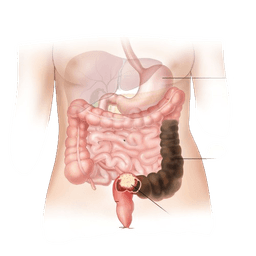
Adhesion Surgery is a specialized ENT procedure performed to remove abnormal fibrous bands, known as adhesions, that form between tissues within the nasal cavity, throat, or surrounding ENT structures.-brThese adhesions commonly develop after infections, trauma, prolonged inflammation, or previous surgeries, and can lead to symptoms such as nasal blockage, breathing difficulty, recurrent infections, voice changes, or a constant sensation of tightness.-brThe goal of adhesion surgery is to carefully release these bands while preserving healthy tissue, restoring normal anatomy, and improving airflow and function.-brModern adhesion surgery is usually performed using endoscopic techniques, allowing high precision, minimal trauma, faster recovery, and reduced risk of recurrence when combined with appropriate postoperative care.
ENT
Videoendoscopy
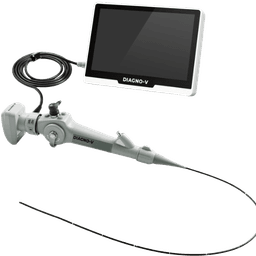
Videoendoscopy is a modern, minimally invasive diagnostic procedure widely used in ENT practice to examine internal structures such as the nasal passages, throat, voice box, and upper airway using a thin, flexible endoscope equipped with a high-resolution camera.-br-brThis procedure allows doctors to directly visualize areas that are otherwise difficult to assess through routine examination, helping in the accurate diagnosis of conditions like chronic sinusitis, voice disorders, swallowing difficulties, throat infections, nasal blockages, and suspected growths.-br-brVideoendoscopy is typically performed as an outpatient procedure, requires minimal preparation, and is generally well tolerated by patients. The real-time video feed improves diagnostic accuracy, enables early detection of disease, and helps clinicians plan appropriate treatment or surgical intervention when required.
ENT
Obstetrics & Gynecology
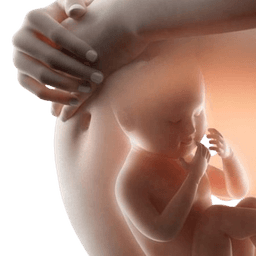
Obstetrics & Gynecology is a comprehensive medical specialty dedicated to women's health across all stages of life, addressing both pregnancy-related care and gynecological conditions.-br-brObstetrics focuses on prenatal care, safe childbirth, and postnatal support, ensuring the health and well-being of both mother and baby. Gynecology addresses disorders of the female reproductive system, including menstrual irregularities, hormonal conditions, infections, fertility concerns, and menopausal health.-br-brWith advances in medical technology and evidence-based care, modern obstetrics and gynecology emphasize preventive screening, early diagnosis, minimally invasive procedures, and personalized treatment plans to support long-term physical and emotional well-being.
ENT
Uvulopalatopharyngoplasty (UPPP)
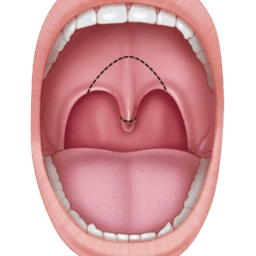
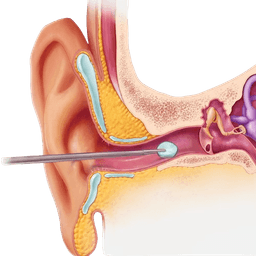
Uvulopalatopharyngoplasty (UPPP) is a well-established ENT surgical procedure primarily performed to treat obstructive sleep apnea (OSA) and chronic, severe snoring that does not respond to conservative treatments.-br During this procedure, excess or obstructive tissues from the throat—such as the uvula, part of the soft palate, and sometimes the tonsils—are carefully removed or reshaped to widen the airway and improve airflow during sleep.-br UPPP is usually recommended for patients whose airway obstruction is localized to the soft palate region and who continue to experience symptoms like loud snoring, choking episodes during sleep, or excessive daytime sleepiness.-br The surgery is performed under general anesthesia, and while it does not cure sleep apnea in every patient, it can significantly reduce symptom severity, improve sleep quality, and lower long-term health risks when properly selected and performed by experienced ENT surgeons.
ENT
Tympanoplasty- Eardrum Repair
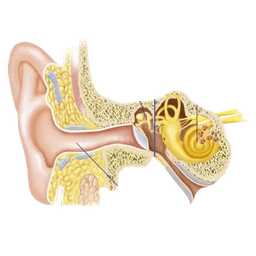
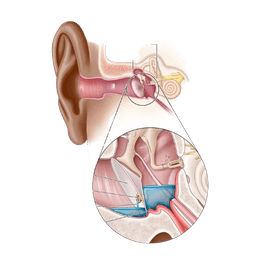
Tympanoplasty, commonly referred to as eardrum repair surgery, is a well-established ENT procedure designed to close a perforation (hole) in the tympanic membrane and restore the normal anatomy and function of the middle ear.-br A damaged eardrum can result from chronic ear infections, trauma, or previous surgeries and often leads to hearing loss, recurrent discharge, and increased susceptibility to infections.-br The procedure involves using the patient’s own tissue, usually from around the ear or temple area, to reconstruct the eardrum. Tympanoplasty not only improves hearing outcomes but also protects the middle ear from repeated infections and long-term complications.-br With modern microsurgical and endoscopic techniques, tympanoplasty is safe, precise, and offers high success rates when performed by experienced ENT surgeons in a well-equipped hospital setting.
ENT
Tympanostomy tube insertion
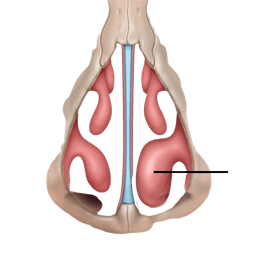
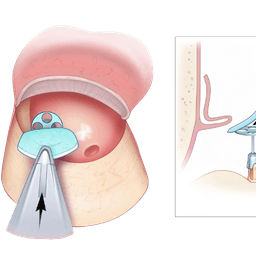
Tympanostomy tube insertion is a commonly performed ENT procedure, especially in children, to manage recurrent middle ear infections and persistent fluid accumulation behind the eardrum.-br The procedure involves placing a tiny ventilation tube into the eardrum to allow air to enter the middle ear and prevent fluid buildup.-br Chronic middle ear fluid can affect hearing, speech development, and overall quality of life if left untreated.-br Tympanostomy tubes help equalize pressure, reduce infection frequency, and restore normal hearing, making it a highly effective and preventive intervention when medical therapy alone is insufficient.
ENT
Turbinoplasty
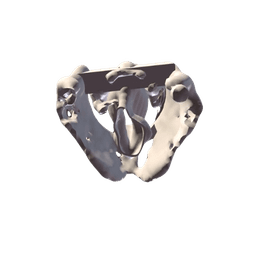
Turbinoplasty is a specialized ENT surgical procedure performed to reduce the size of enlarged nasal turbinates, which are structures inside the nose responsible for humidifying, filtering, and regulating airflow.-brWhen turbinates become chronically enlarged due to allergies, infections, deviated nasal septum, or long-term nasal spray use, they can obstruct airflow and cause persistent nasal blockage, mouth breathing, snoring, sleep disturbance, and reduced quality of life.-brTurbinoplasty aims to preserve turbinate function while reducing excess tissue using advanced techniques such as radiofrequency ablation, microdebrider-assisted reduction, or partial resection. The procedure is safe, effective, and often performed as a day-care surgery, significantly improving nasal breathing and overall nasal function.
ENT
Thyroplasty
Thyroplasty is a specialized voice surgery designed to improve vocal quality, strength, and clarity by correcting structural or functional problems of the vocal cords. It is most commonly performed in patients with vocal cord paralysis, vocal cord weakness, or age-related voice changes that significantly affect speech and communication.-brThe procedure works by repositioning or supporting the affected vocal cord to allow better closure during speech, thereby improving voice strength and reducing hoarseness, breathiness, or vocal fatigue. Thyroplasty is typically performed under local anesthesia, allowing real-time voice assessment during surgery.-brWith modern surgical techniques and careful patient selection, thyroplasty offers durable voice improvement with minimal downtime. Postoperative voice therapy plays an important role in optimizing long-term outcomes.

ENT
Tongue Tie- Ankyloglossia Surgery
Tongue tie, medically known as ankyloglossia, is a condition where the lingual frenulum is abnormally short, thick, or tight, restricting normal tongue movement. This condition can affect infants, children, and adults, leading to difficulties in breastfeeding, speech articulation, oral hygiene, and swallowing.-brSurgical treatment involves releasing or correcting the tight frenulum through procedures such as frenotomy or frenuloplasty. These procedures aim to restore normal tongue mobility, improve oral function, and prevent long-term complications.-brWhen performed by experienced ENT specialists, tongue tie surgery is safe, effective, and associated with rapid recovery and significant functional improvement.
ENT
Thyroidectomy Surgery
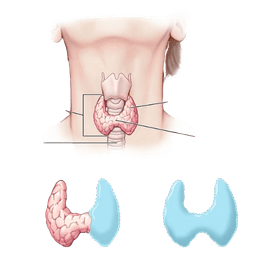
Thyroidectomy surgery is a well-established surgical procedure that involves partial or complete removal of the thyroid gland, a butterfly-shaped organ located at the front of the neck. The thyroid plays a vital role in regulating metabolism, energy levels, heart rate, and body temperature through hormone production.-brThis surgery is commonly recommended for conditions such as thyroid nodules, multinodular goiter, hyperthyroidism unresponsive to medication, and thyroid cancer. Depending on the diagnosis, the surgeon may perform a total thyroidectomy, hemithyroidectomy, or subtotal thyroidectomy.-brModern thyroidectomy is performed using refined surgical techniques that prioritize nerve preservation, minimal scarring, and rapid recovery. With appropriate surgical expertise and postoperative hormone management, patients can return to normal life with excellent long-term outcomes.
ENT
Split Earlobe Repair Surgery
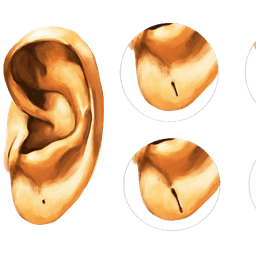
Split Earlobe Repair Surgery is a minor surgical procedure performed to correct partially or completely torn earlobes, most commonly caused by heavy earrings, trauma, or long-term stretching of piercing holes.-br Although medically simple, a split earlobe can cause significant cosmetic concern, self-consciousness, and difficulty wearing earrings.-br The procedure involves precise reshaping and suturing of the earlobe tissue to restore its natural contour and strength.-br It is typically performed under local anesthesia, is quick, safe, and offers excellent cosmetic results when done by an experienced ENT surgeon.
ENT
Stapedectomy
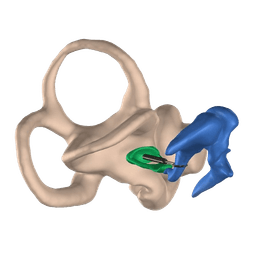
Stapedectomy is a specialized microsurgical ear procedure performed to improve hearing in patients with otosclerosis, a condition where abnormal bone growth affects the stapes bone in the middle ear.-br This fixation prevents sound vibrations from reaching the inner ear effectively, leading to progressive conductive hearing loss.-br During the procedure, the immobilized stapes bone is partially or completely removed and replaced with a prosthesis.-br Stapedectomy is known for its high success rates and significant improvement in hearing when performed by experienced ENT surgeons.
ENT
Somnoplasty Snoring Surgery
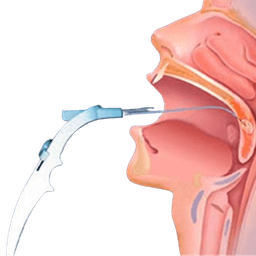
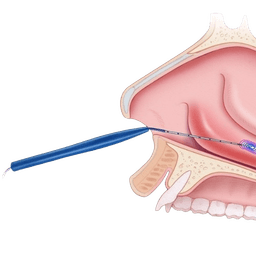
Somnoplasty snoring surgery is a minimally invasive ENT procedure designed to reduce chronic snoring caused by vibration and laxity of soft palate tissues.-br The procedure uses controlled radiofrequency energy to gently shrink and stiffen the soft palate, reducing tissue vibration during sleep and improving airflow.-br It is commonly recommended for patients with primary snoring or mild sleep-disordered breathing who do not respond to lifestyle changes or conservative treatments.-br Somnoplasty is performed as a day-care procedure, involves minimal pain, and allows patients to return to daily activities quickly while significantly improving sleep quality for both the patient and their partner.
ENT
Turbinate Reduction Surgery
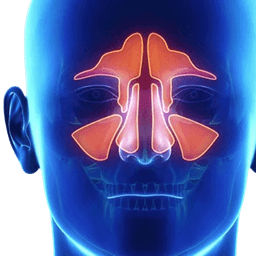
Turbinate reduction surgery is an ENT procedure performed to treat chronic nasal obstruction caused by enlarged inferior turbinates.-br Turbinates are structures inside the nose that help warm, humidify, and filter air, but when chronically enlarged due to allergies or inflammation, they can severely block airflow.-br The surgery aims to reduce turbinate size while preserving their essential function, resulting in improved nasal breathing.-br Modern turbinate reduction techniques are minimally invasive, cause minimal discomfort, and are often performed alongside septoplasty or other nasal procedures for optimal results.
ENT
Endoscopic Sinus Surgery
Endoscopic Sinus Surgery is a minimally invasive ENT surgical procedure used to treat chronic sinusitis and other sinus-related conditions that do not respond to medical treatment. The surgery is performed using a thin, flexible endoscope inserted through the nostrils, allowing the surgeon to visualize and treat blocked or diseased sinus pathways without external cuts.-br By restoring normal sinus drainage and ventilation, this procedure significantly reduces symptoms such as nasal blockage, facial pain, headaches, post-nasal drip, and recurrent infections. It is widely regarded as a safe, precise, and effective treatment that improves long-term sinus health and quality of life.

ENT
Sinusitis (Sinus Infection)
Sinusitis, commonly referred to as a sinus infection, is an inflammation of the sinus lining caused by infection, allergies, or blockage of sinus drainage pathways. It leads to symptoms such as facial pain, nasal congestion, headache, thick nasal discharge, and reduced sense of smell.-br Sinusitis can be acute, subacute, chronic, or recurrent depending on duration and frequency. Early diagnosis and appropriate treatment are essential to prevent complications and improve long-term sinus health.
ENT
Salivary Gland Stone Removal
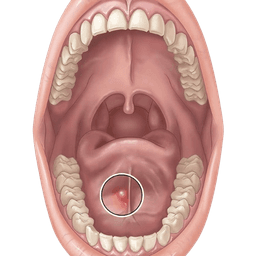
Salivary Gland Stone Removal is a specialized ENT procedure performed to treat sialolithiasis, a condition where calcified stones form inside the salivary glands or their ducts, leading to pain, swelling, and infection.-brThese stones block the normal flow of saliva, often causing discomfort that worsens during eating. When conservative treatments fail, surgical or minimally invasive removal becomes necessary to restore gland function and relieve symptoms.-brModern techniques allow precise removal of stones while preserving the salivary gland whenever possible. With timely intervention and expert care, most patients experience complete symptom relief and a return to normal oral comfort and function.

ENT
Preauricular Skin Tag Removal
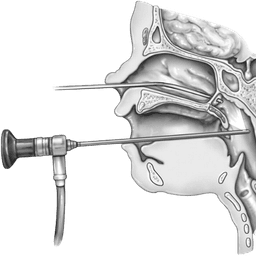
Preauricular skin tags are small, benign growths of skin and sometimes cartilage that appear just in front of the ear, usually present from birth.-brAlthough they are generally harmless, they may cause cosmetic concerns, recurrent irritation, hygiene issues, or anxiety for parents when seen in children.-brPreauricular skin tag removal is a simple and safe ENT procedure performed to improve appearance, prevent repeated trauma, and rule out associated abnormalities when indicated. The procedure can be done under local or general anesthesia depending on age, size, and depth of the tag.
ENT
Repair of Choanal Atresia
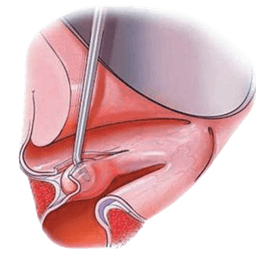
Choanal atresia is a congenital condition in which the back of the nasal passage is blocked by bone or tissue, preventing normal airflow from the nose to the throat.-brIt can affect one or both sides of the nose and is especially critical in newborns, who are primarily nasal breathers.-brRepair of choanal atresia is a specialized ENT surgical procedure aimed at restoring nasal airway patency, improving breathing, feeding, and overall quality of life. Early diagnosis and expert surgical intervention are vital for optimal outcomes.
ENT
Phonosurgery
Phonosurgery is a specialized branch of ENT surgery focused on improving or restoring voice quality by correcting structural or functional problems of the vocal cords.-br It is commonly recommended for individuals suffering from persistent hoarseness, vocal fatigue, voice breaks, or voice loss due to conditions such as vocal cord nodules, polyps, cysts, paralysis, scarring, or age-related vocal fold atrophy.-br The procedure is performed with extreme precision, often using microscopes or endoscopic instruments, to preserve delicate vocal cord tissue while enhancing vibration and closure. Phonosurgery is not only about removing lesions but also about optimizing voice mechanics to achieve a natural, sustainable voice.-br Post-surgery voice therapy plays a critical role in long-term success, helping patients adapt healthy voice techniques and prevent recurrence of voice problems.
ENT
Otoplasty
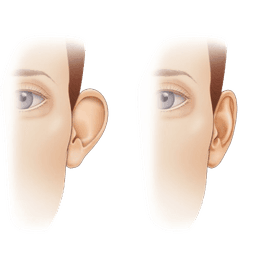
Otoplasty is a specialized cosmetic and reconstructive ENT surgical procedure designed to correct the shape, position, or size of the external ears.-br It is commonly performed to address prominent ears, asymmetry, congenital ear deformities, or ear shape changes caused by trauma or previous surgery. While otoplasty is often sought for cosmetic reasons, its impact goes far beyond appearance, frequently improving self-confidence, social comfort, and psychological well-being.-br The procedure can be performed in both children and adults and is tailored to the individual’s ear anatomy and aesthetic goals. Modern otoplasty techniques focus on creating natural-looking ears that are proportionate to the face, with minimal scarring and predictable, long-term results.-br Depending on the case, otoplasty may involve reshaping ear cartilage, repositioning the ear closer to the head, correcting folds, or reducing ear size, all while preserving a balanced and harmonious facial appearance.
ENT
Nosebleeds - Epistaxis
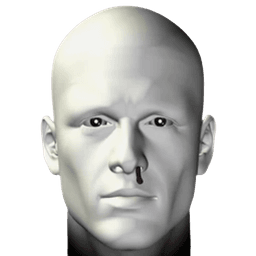
Epistaxis, commonly known as nosebleeds, is a frequent ENT condition that can affect individuals of all age groups. It occurs when blood vessels inside the nasal lining rupture due to dryness, trauma, infection, high blood pressure, allergies, or underlying systemic conditions.-brMost nosebleeds are mild and self-limiting, originating from the front part of the nasal septum. However, posterior nosebleeds, which arise deeper in the nasal cavity, can be more severe and may require urgent medical intervention.-brProper evaluation by an ENT specialist is essential to identify the cause, prevent recurrence, and manage complications. With timely diagnosis and appropriate treatment, epistaxis can be effectively controlled and long-term outcomes are excellent.
ENT
Ossiculoplasty Ear Surgery
Ossiculoplasty is a specialized ear surgery performed to reconstruct or replace damaged ossicles, the tiny bones of the middle ear responsible for sound transmission. Damage to these bones can occur due to chronic ear infections, trauma, cholesteatoma, or previous ear surgeries.-brWhen the ossicular chain is disrupted, sound conduction is impaired, leading to conductive hearing loss. Ossiculoplasty aims to restore the continuity of this chain, improving sound transmission and hearing ability.-brThe procedure is performed by experienced ENT surgeons using microscopic or endoscopic techniques, often in combination with other ear surgeries, and offers significant improvement in hearing outcomes for selected patients.

ENT
Parotidectomy
Parotidectomy is a specialized ENT surgical procedure performed to remove part or the entire parotid gland, the largest salivary gland located in front of and below the ear.-br It is most commonly indicated for benign or malignant parotid tumors, chronic infections, inflammatory conditions, or salivary gland disorders not responding to medical management.-br The surgery requires exceptional precision due to the facial nerve running through the parotid gland, which controls facial movements.-br Depending on the disease extent, the procedure may be superficial, total, or radical parotidectomy.-br With experienced ENT surgeons, modern nerve monitoring, and structured postoperative care, parotidectomy offers excellent disease control while preserving facial function and quality of life.
Expert ENT Specialists



Top Hospitals for ENT

Advanced Multi-Speciality Tertiary Care Hospital
BLK-Max Super Speciality Hospital, New Delhi
650+
350+
30+
Rajendra Place

Flagship Multi-Speciality Tertiary Care Hospital
Indraprastha Apollo Hospital, New Delhi
700+
300+
50+
Sarita Vihar

NABH-Accredited Multi-Speciality Tertiary Care Hospital
Aakash Healthcare Super Speciality Hospital, New Delhi
230+
200+
25+
Dwarka Sector 3

NABH-Accredited Multi-Speciality Tertiary Care Hospital
Batra Hospital & Medical Research Centre, New Delhi
500+
250+
42+
Tughlakabad Institutional Area