Overview
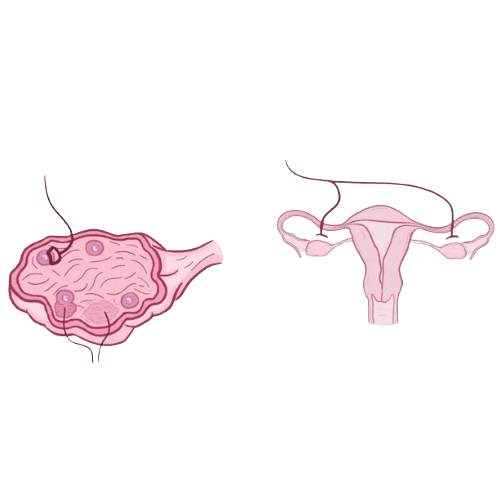
Ovarian sex cord stromal tumors arise from the ovarian stromal cells that support follicle development and may secrete hormones such as estrogen or androgens.
They are uncommon, present across ages, and because many are hormone-active, symptoms often lead to earlier detection.
Management balances oncologic clearance with fertility preservation where possible and uses surgery plus selective adjuvant therapy based on histology and stage.
Overview And Clinical Background
Hormone-active ovarian stromal neoplasms
These tumors include granulosa cell tumors, Sertoli-Leydig tumors, and other stromal subtypes.
They differ from epithelial ovarian cancers by origin, behavior, and tendency to produce sex hormones which can guide diagnosis and follow-up.
- Common subtypes: Granulosa cell, Sertoli-Leydig and thecomas represent the bulk of sex cord stromal tumors.
- Hormonal activity: Many secrete estrogen or androgens, producing menstrual changes or virilisation.
- Epidemiology: Rare overall but relatively more common in younger women compared with epithelial ovarian carcinoma.
Symptoms, Signs And Presentation
Presentation often reflects hormone effects or a palpable pelvic mass.
Younger patients may present with menstrual irregularities, while postmenopausal women can have unexpected bleeding or abdominal fullness.
- Hormone-related: Abnormal uterine bleeding, early puberty signs, or virilising features depending on secreted hormone.
- Mass effect: Pelvic pain, bloating, or a palpable adnexal mass on examination.
- Red flag: Rapid abdominal distension, severe pain from torsion or rupture requires urgent assessment.
Diagnosis Methods And Investigations
Imaging, tumor markers and pathology
Ultrasound and MRI characterise ovarian masses; hormone assays and tumor markers help suspect stromal origin.
Definitive diagnosis is by histology after surgical sampling and immunohistochemistry.
- Ultrasound/MRI: Pelvic ultrasound is first-line; MRI helps define solid vs cystic components and local extent.
- Hormonal assays: Serum inhibin, estradiol, or testosterone levels support a hormonally active tumor diagnosis.
- Histopathology: Surgical specimen with immunostains (inhibin, calretinin) confirms subtype and grade.
Treatment Options And Surgical Techniques
Primary treatment is surgical removal tailored to age, stage, and fertility goals.
Early-stage disease often allows unilateral oophorectomy for fertility preservation; advanced or recurrent disease may need wider resection and adjuvant therapy.
- Fertility-sparing surgery: Unilateral salpingo-oophorectomy with staging for young women with early disease.
- Complete staging: Hysterectomy, bilateral salpingo-oophorectomy and nodal/omental assessment when indicated.
- Adjuvant therapy: Chemotherapy or hormonal therapy for high-risk, recurrent or metastatic cases guided by histology.
Recovery, Risks And Prognosis
Recovery after surgery is generally rapid; prognosis is favourable for early-stage, low-grade tumors.
Recurrence can occur (notably with some granulosa cell tumors) so long-term surveillance with clinical review and hormone/tumor marker monitoring is advised.
Why Choose Us
CureU Healthcare provides specialist gynecologic oncology care with experience in fertility-preserving surgery, precise pathology, and hormone-marker follow-up.
We personalise treatment to preserve life, fertility and hormonal health with clear communication and coordinated care.
Conclusion
Ovarian sex cord stromal tumors are rare but often manageable with tailored surgery and targeted follow-up.
Early referral to a specialised team preserves options and optimises long-term outcomes.