Overview
Hairy cell leukemia (HCL) is a slow-growing cancer of the blood and bone marrow.
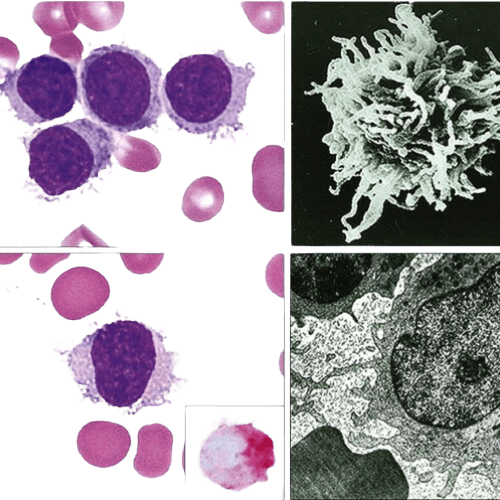
It causes abnormal B cells with hair-like projections that crowd out healthy cells.
Modern targeted therapies offer excellent long-term control.
Overview And Clinical Background
HCL is a chronic lymphoproliferative disorder that primarily affects middle-aged adults.
It progresses slowly and responds well to therapy.
- Cell origin:: Derived from mature B lymphocytes.
- Leads to bone marrow suppression and splenomegaly.
- Course:: Indolent with long remission periods post-treatment.
Symptoms, Signs And Presentation
Symptoms arise due to bone marrow failure and splenic enlargement.
Infections and fatigue are common.
- Common symptom:: Persistent fatigue and recurrent infections.
- Easy bruising or bleeding due to low platelet count.
- Red flag:: Significant enlargement of the spleen.
Diagnosis Methods And Investigations
Imaging And Laboratory Tests
Diagnosis involves blood smear, bone marrow biopsy, and immunophenotyping.
- Imaging:: Ultrasound or CT to detect splenomegaly.
- Lab tests:: CBC showing pancytopenia and abnormal lymphocytes.
- Flow cytometry confirms the diagnosis by detecting CD11c and CD25 markers.
Treatment Options And Surgical Techniques
Therapy focuses on restoring blood cell levels and controlling symptoms.
Most patients achieve long-term remission.
- Conservative:: Observation for asymptomatic or mild cases.
- Minimally invasive options:: Cladribine or pentostatin-based chemotherapy.
- Targeted therapy such as rituximab for resistant cases.
Recovery, Risks And Prognosis
Most patients achieve remission lasting over a decade.
Relapses are managed effectively with re-treatment.
Why Choose Us
CureU Healthcare’s hematology team offers personalized treatment using advanced immunotherapy and precise monitoring for long-term remission.
Conclusion
Hairy cell leukemia, though rare, has an excellent outlook.
With appropriate care, most patients enjoy normal life expectancy.
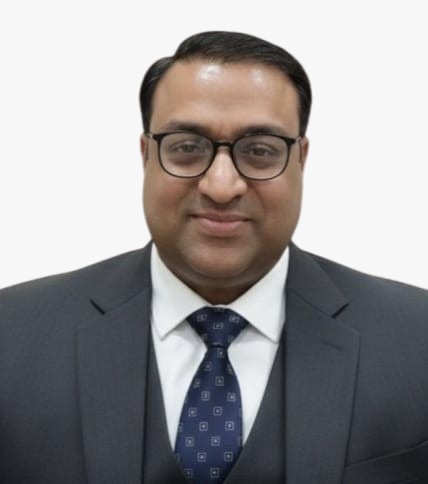
B.U.M.S, M.D. (NAT) | Reg No. 9153 | Ex. Secretary & Treasurer, N.I.M.A.
Qualified healthcare professional in Unani and Naturopathic medicine with deep expertise in traditional healthcare systems, patient-centered clinical care, and medical content review.