Overview
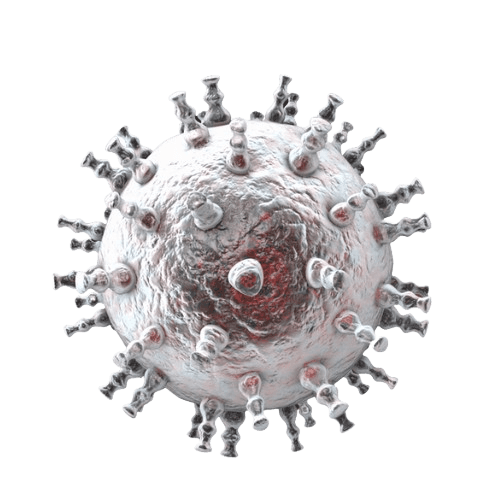
Kaposi Sarcoma is a vascular malignancy associated with human herpesvirus 8 (HHV-8) that presents as purple-red skin or mucosal lesions and can involve internal organs.
Management depends on extent and immune status — immunocompetent patients may need local therapy, while immunosuppressed individuals (for example with HIV) may require systemic antiviral and oncologic treatment.
Overview And Clinical Background
Viral association and clinical types
KS has several clinical forms — classic, endemic, iatrogenic (immunosuppression-associated) and epidemic (HIV-associated).
Lesions reflect proliferating spindle cells and abnormal blood vessel formation driven by HHV-8 and immune dysregulation.
- Etiology: Strongly associated with HHV-8 infection and immune suppression.
- Clinical variants: Classic (elderly), endemic (Africa), iatrogenic (post-transplant) and epidemic (HIV-related).
- Pathology: Spindle cell proliferation with vascular channels on histology.
Symptoms, Signs And Presentation
Skin lesions are the most common presentation — violaceous macules, plaques or nodules on lower limbs, face or oral mucosa.
Visceral involvement (GI tract, lungs) causes organ-specific symptoms.
- Cutaneous lesions: Flat or raised purple-red patches or nodules, often painless but cosmetically troubling.
- Mucosal involvement: Oral lesions causing bleeding or discomfort.
- Visceral disease: Cough, GI bleeding or dyspnea when internal organs are affected.
Diagnosis Methods And Investigations
Biopsy and staging
Diagnosis is confirmed by skin or mucosal biopsy with immunohistochemistry; staging assesses cutaneous versus visceral disease and immune status.
HIV testing and HHV-8 association guide management.
- Biopsy: Histological confirmation with typical spindle cells and vascular proliferation.
- Imaging/endoscopy: CT, endoscopy or bronchoscopy if visceral involvement suspected.
- Laboratory: HIV testing and immune assessment inform treatment choices.
Treatment Options And Surgical Techniques
Local therapies (excision, intralesional chemo, cryotherapy, or radiotherapy) suit limited skin disease; systemic therapy (antiretroviral therapy for HIV, liposomal doxorubicin, paclitaxel, or immunomodulators) is used for widespread or visceral disease.
Restoring immune function is central in HIV-associated KS.
- Local control: Surgical excision, radiotherapy or intralesional chemotherapy for isolated lesions.
- Systemic therapy: Liposomal anthracyclines or paclitaxel for advanced or symptomatic disease.
- Immune restoration: Effective antiretroviral therapy in HIV-positive patients often leads to lesion regression.
Recovery, Risks And Prognosis
Prognosis varies with extent and immune status — localized cutaneous disease has an excellent outlook, while visceral involvement in immunosuppressed patients carries a more guarded prognosis.
Ongoing immune management and surveillance reduce recurrence and complications.
Why Choose Us
CureU Healthcare offers integrated dermatologic, infectious disease and oncology teams for personalised KS care — from local lesion management to systemic therapy and immune optimisation.
We prioritise symptom control, cosmetic outcomes and quality of life.
Conclusion
Kaposi Sarcoma is a treatable vascular tumour, especially when immune status is optimised and multidisciplinary therapy is used.
Early evaluation of skin lesions and prompt specialist care improve outcomes.

B.U.M.S, M.D. (NAT) | Reg No. 9153 | Ex. Secretary & Treasurer, N.I.M.A.
Qualified healthcare professional in Unani and Naturopathic medicine with deep expertise in traditional healthcare systems, patient-centered clinical care, and medical content review.