Overview
Ovarian Cancer Surgery focuses on removing cancerous tissue from the ovaries and nearby areas to prevent spread.
CureU Healthcare’s gynecologic oncologists specialize in minimally invasive and advanced surgical approaches for improved survival and quality of life.
Overview And Clinical Background
Ovarian cancer develops when abnormal cells in the ovaries grow uncontrollably.
Surgical management remains the cornerstone of treatment alongside chemotherapy.
- Key point:: Early-stage detection improves long-term survival.
- Often diagnosed late due to vague abdominal symptoms.
- Third point:: Comprehensive staging surgery helps guide post-op therapy.
Symptoms, Signs And Presentation
Symptoms are often subtle—bloating, pelvic discomfort, or urinary urgency.
Persistent symptoms warrant immediate evaluation.
- Common symptom:: Abdominal bloating or swelling.
- Pelvic pain or discomfort.
- Red flag:: Unexplained weight loss or change in bowel habits.
Diagnosis Methods And Investigations
Diagnosis includes imaging, tumor markers, and histopathology.
Early detection through screening is still limited but evolving.
- Imaging:: Ultrasound and CT scan to locate and assess tumor spread.
- Lab tests:: CA-125 and other tumor markers aid monitoring.
- Biopsy or cytology confirms malignancy.
Treatment Options And Surgical Techniques
Surgery aims to remove both ovaries, uterus, and affected tissues.
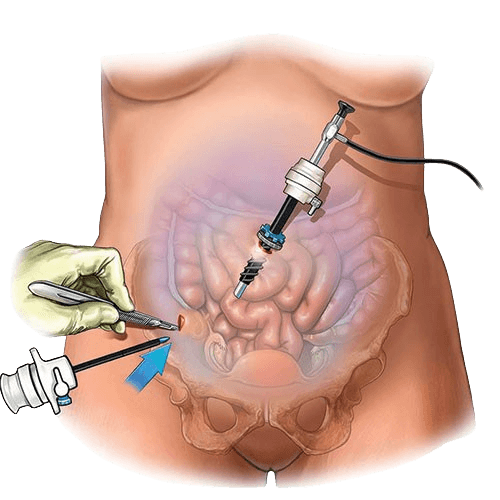
Laparoscopic and robotic options reduce recovery time.
- Conservative:: Fertility-sparing surgery in selected young women.
- Minimally invasive options:: Laparoscopic staging or debulking for localized disease.
- Open cytoreductive surgery for advanced or metastatic cases.
Recovery, Risks And Prognosis
Recovery involves physical healing and emotional adaptation.
Early detection offers better prognosis; advanced stages need systemic therapy.
Why Choose Us
CureU Healthcare offers expert gynecologic oncology teams, precision tools, and compassionate post-operative care for ovarian cancer patients.
Conclusion
Through surgical precision and multidisciplinary expertise, CureU Healthcare helps women fight ovarian cancer with strength and dignity.