Overview
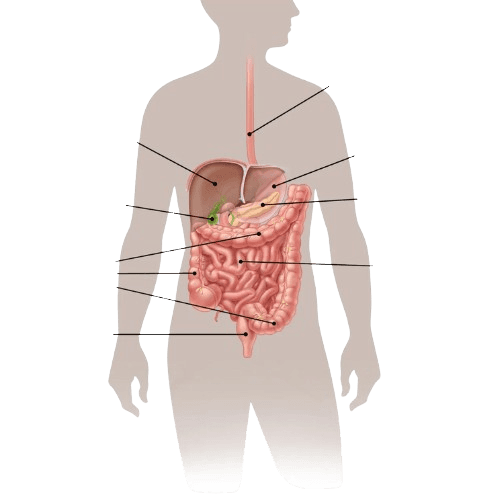
Small intestine cancer, also known as small bowel cancer, develops in the lining of the small intestine and includes adenocarcinoma, lymphoma, sarcoma, and carcinoid tumor types.
Because the small bowel is deep in the abdomen, symptoms are often nonspecific, leading to delayed diagnosis.
Early detection and multidisciplinary management with surgery, chemotherapy, or targeted therapy offer the best outcomes.
Overview And Clinical Background
An uncommon gastrointestinal malignancy
Small intestine cancers represent less than 5% of all gastrointestinal tumors but carry significant morbidity due to delayed detection.
The most common subtype is adenocarcinoma, particularly in the duodenum and jejunum, followed by neuroendocrine and stromal tumors.
- Common locations: Most tumors arise in the duodenum or proximal jejunum where chronic inflammation, bile exposure, or genetic syndromes may increase risk of malignant change.
- Risk factors: Inherited syndromes such as Lynch, Peutz-Jeghers, and Crohn’s disease in the ileum elevate lifetime risk of small bowel malignancy.
- Clinical behavior: Adenocarcinomas often present late due to vague symptoms; however, early resection can be curative when localized.
Symptoms, Signs And Presentation
Symptoms are frequently subtle and may mimic benign gastrointestinal disorders.
Common complaints include intermittent abdominal pain, bloating, unexplained anemia, or intestinal obstruction.
- Digestive symptoms: Persistent abdominal pain, nausea, vomiting, or bloating after meals are early but non-specific signs of obstruction or tumor growth.
- Bleeding and anemia: Occult gastrointestinal bleeding can lead to chronic iron deficiency and fatigue, prompting further investigation.
- Obstruction: Large or circumferential tumors can cause bowel blockage leading to cramping, distension, and vomiting that require urgent attention.
Diagnosis Methods And Investigations
Endoscopic and radiologic evaluation
Diagnosis combines imaging, endoscopy, and histologic confirmation.
CT enterography and capsule endoscopy are essential tools to visualize lesions and determine extent.
- Imaging: CT enterography or MRI enteroclysis delineates small bowel structure, tumor size, and involvement of adjacent tissues or lymph nodes.
- Endoscopy: Upper endoscopy or double-balloon enteroscopy permits biopsy of suspicious lesions and assists in localizing the tumor for surgical planning.
- Histopathology: Microscopic examination defines tumor type and grade, distinguishing adenocarcinoma, neuroendocrine, or stromal origins critical for therapy choice.
Treatment Options And Surgical Techniques
Surgical resection is the mainstay for localized small intestine cancers.
Adjuvant chemotherapy may be offered for advanced or node-positive disease, and targeted therapies are used in specific molecular subtypes.
- Surgical resection: Segmental resection with lymph node dissection aims for complete tumor clearance while preserving bowel length and function.
- Chemotherapy: Adjuvant or palliative chemotherapy (usually fluoropyrimidine-based) may be used for advanced or metastatic adenocarcinoma.
- Targeted therapy: Agents targeting specific pathways (EGFR, VEGF) or immune checkpoints are under study for select patients with molecularly characterized disease.
Recovery, Risks And Prognosis
Prognosis depends on stage at diagnosis — localized disease has excellent outcomes after resection, whereas metastatic disease remains challenging.
Long-term monitoring includes imaging and endoscopic surveillance for recurrence or secondary tumors.
Why Choose Us
CureU Healthcare integrates advanced endoscopy, minimally invasive surgery, and molecular diagnostics to ensure precise diagnosis and individualized therapy for small intestine cancer.
Our multidisciplinary tumor boards optimize treatment sequencing and patient comfort.
Conclusion
Small intestine cancer, though rare, requires high suspicion and timely intervention.
Early surgical management and coordinated care significantly enhance long-term survival and quality of life.

B.U.M.S, M.D. (NAT) | Reg No. 9153 | Ex. Secretary & Treasurer, N.I.M.A.
Qualified healthcare professional in Unani and Naturopathic medicine with deep expertise in traditional healthcare systems, patient-centered clinical care, and medical content review.