Overview
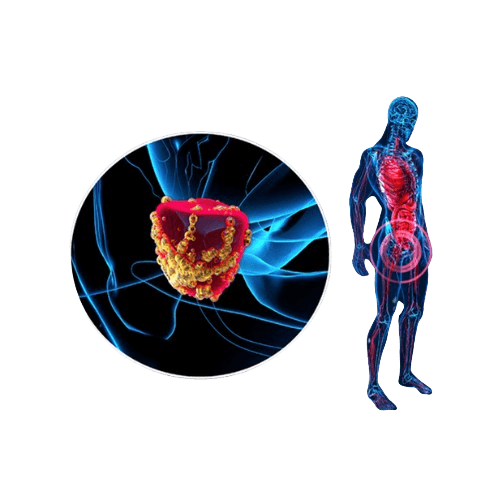
Adenocarcinoma describes malignant tumors that arise from glandular epithelium and can affect organs such as the lung, colon, pancreas, prostate, or stomach.
Clinical behaviour and treatment depend on the organ of origin and stage; management typically combines surgery, systemic therapy, and sometimes radiation or organ-specific targeted agents.
Histopathology and molecular profiling guide prognosis and personalized therapy.
Overview And Clinical Background
Glandular origin and variable presentation
Adenocarcinomas originate from epithelial cells that produce mucin or secretions.
They are among the most common cancer types with diverse biologic behaviour depending on the site.
- Cell origin: Malignant transformation of glandular epithelial cells in affected organs.
- Common sites: Colon, lung (adenocarcinoma subtype), pancreas, prostate, and stomach.
- Importance: Site-specific staging and molecular markers determine therapy choices.
Symptoms, Signs And Presentation
Signs depend on where the tumor arises — GI adenocarcinoma may cause pain or bleeding, lung disease causes cough, and pancreatic lesions cause weight loss.
Local invasion or metastasis produces systemic symptoms.
- Local symptoms: Obstructive signs, pain, bleeding, or organ-specific dysfunction.
- Systemic signs: Weight loss, fatigue, and loss of appetite.
- Metastatic signs: Lymph node enlargement, bone pain, or jaundice depending on spread.
Diagnosis Methods And Investigations
Imaging, biopsy and molecular testing
Diagnosis requires tissue biopsy and imaging to stage disease.
Immunohistochemistry and molecular tests identify actionable mutations for targeted therapy.
- Biopsy and histology: Confirms glandular architecture and malignancy.
- Imaging for staging: CT, MRI, PET to assess local extent and metastases.
- Molecular profiling: NGS panels guide targeted treatment and prognosis.
Treatment Options And Surgical Techniques
Curative intent relies on complete surgical resection for localized disease.
Advanced disease uses systemic chemotherapy, targeted agents, immunotherapy, or palliative procedures to relieve symptoms.
- Surgery: Resection (e.g., colectomy, lobectomy) when localized and resectable.
- Systemic therapy: Chemotherapy, targeted drugs, or immunotherapy tailored by molecular markers.
- Palliative care: Stenting, radiotherapy, or symptom-directed measures for advanced disease.
Recovery, Risks And Prognosis
Prognosis varies widely — early-stage lesions often have favorable outcomes with surgery, while advanced or metastatic disease requires chronic systemic therapy with variable survival.
Risks include surgical complications and systemic therapy toxicities.
Why Choose Us
CureU Healthcare provides multidisciplinary oncology teams, precision pathology, and access to modern systemic and surgical options.
We tailor plans to tumor biology and patient goals, prioritizing survival and quality of life.
Conclusion
Adenocarcinoma is treatable especially when detected early and managed with coordinated, organ-specific care.
Molecular testing and multidisciplinary planning improve personalized outcomes.