
Overview
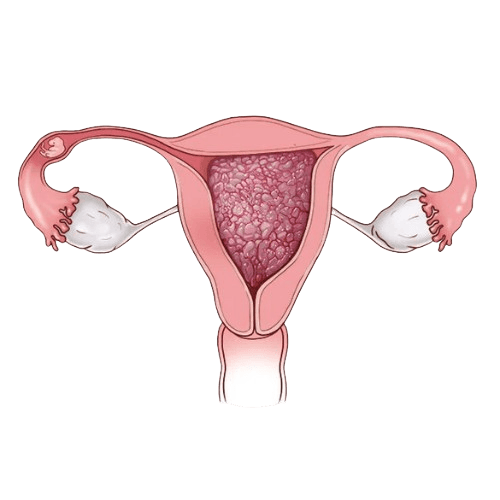
Gestational trophoblastic disease (GTD) is a group of rare tumors originating from the cells that form the placenta.
It includes molar pregnancies and choriocarcinoma.
Most forms are highly treatable with prompt diagnosis and chemotherapy.
Overview And Clinical Background
GTD arises when placental cells grow abnormally.
It may develop after normal or molar pregnancies and can be benign or malignant.
- Types:: Includes hydatidiform mole, invasive mole, and choriocarcinoma.
- Most cases are benign and resolve with evacuation.
- Malignant variant:: Choriocarcinoma requires chemotherapy.
Symptoms, Signs And Presentation
Symptoms often resemble early pregnancy but worsen with time.
Abnormal bleeding is the most common sign.
- Common symptom:: Irregular or heavy vaginal bleeding post-pregnancy.
- Excessive nausea or vomiting.
- Red flag:: Persistent elevated hCG levels after pregnancy termination.
Diagnosis Methods And Investigations
Imaging And Laboratory Tests
Diagnosis involves hormone testing, imaging, and histopathologic confirmation.
- Imaging:: Ultrasound shows a characteristic ‘snowstorm’ pattern in molar pregnancy.
- Lab tests:: Elevated beta-hCG confirms ongoing trophoblastic activity.
- Histology differentiates between complete and partial moles.
Treatment Options And Surgical Techniques
Treatment depends on the type and stage.
Most cases respond to uterine evacuation or chemotherapy.
- Conservative:: Uterine evacuation with suction curettage for non-invasive forms.
- Minimally invasive options:: Chemotherapy for malignant or persistent GTD.
- Hysterectomy in refractory or high-risk disease.
Recovery, Risks And Prognosis
Nearly all cases are curable with timely management.
Fertility can often be preserved post-treatment.
Why Choose Us
CureU Healthcare provides precise diagnostic support, hormonal monitoring, and expert gynecologic oncologists to ensure safe and successful recovery.
Conclusion
Gestational trophoblastic disease is highly treatable when monitored carefully.
Early medical attention ensures full recovery and preserved fertility.

B.U.M.S, M.D. (NAT) | Reg No. 9153 | Ex. Secretary & Treasurer, N.I.M.A.
Qualified healthcare professional in Unani and Naturopathic medicine with deep expertise in traditional healthcare systems, patient-centered clinical care, and medical content review.