Overview
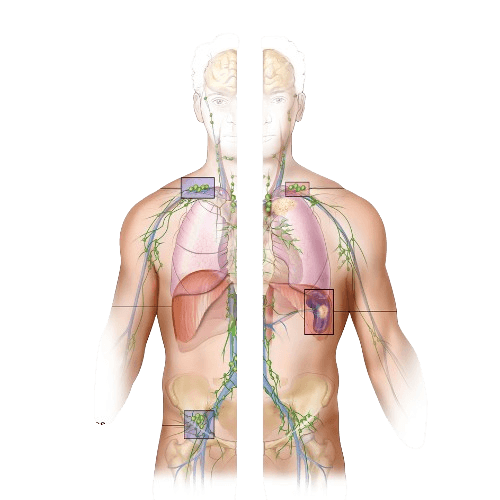
Non-Hodgkin Lymphoma (NHL) represents a large group of blood cancers originating from lymphocytes.
It can appear in lymph nodes or other organs like the spleen and bone marrow.
New biologic and immunotherapies have improved survival across subtypes.
Overview And Clinical Background
NHL includes indolent and aggressive types based on how fast the cells grow.
The disease disrupts the immune system and blood cell production.
- Origin:: From B-cells, T-cells, or NK-cells in the lymphatic system.
- Types:: Includes diffuse large B-cell and follicular lymphoma.
- Progression:: Can spread to bone marrow and organs.
Symptoms, Signs And Presentation
Symptoms depend on the site involved.
General symptoms like fever and weight loss are common.
- Swollen lymph nodes:: Usually painless lumps in neck, armpit, or groin.
- Fever and sweats:: B symptoms indicate systemic involvement.
- Fatigue:: Due to anemia or immune suppression.
Diagnosis Methods And Investigations
Imaging And Laboratory Tests
Biopsy confirms diagnosis, while PET-CT determines disease stage and response.
- Lymph node biopsy:: Essential for subtype identification.
- PET-CT scan:: Maps disease spread and treatment response.
- Bone marrow test:: Assesses marrow involvement.
Treatment Options And Surgical Techniques
Treatment varies with subtype and stage.
Most respond well to combined chemoimmunotherapy.
- Chemotherapy (CHOP):: Standard for aggressive lymphomas.
- Targeted therapy:: Rituximab for B-cell lymphomas improves outcomes.
- Stem cell transplant:: For relapsed or high-risk patients.
Recovery, Risks And Prognosis
Many patients achieve long-term remission.
Indolent forms may recur but are manageable for years.
Why Choose Us
CureU Healthcare provides hematology experts, access to advanced biologics, and precise staging for tailored lymphoma care.
Conclusion
With new therapies and early diagnosis, Non-Hodgkin Lymphoma has become one of the most treatable blood cancers.
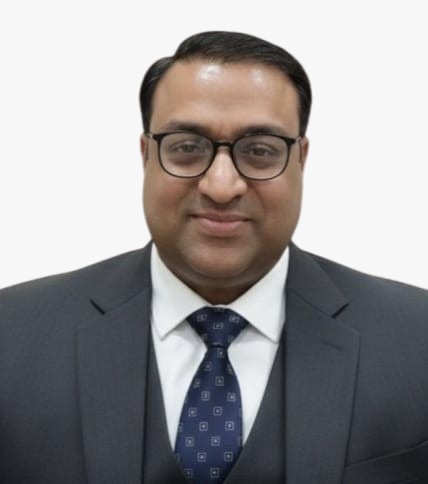
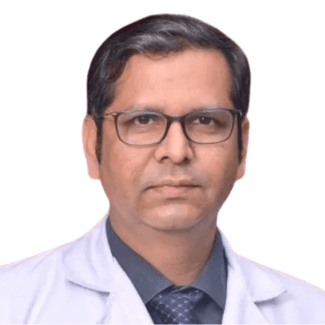
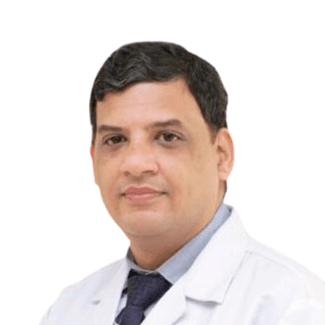
B.U.M.S, M.D. (NAT) | Reg No. 9153 | Ex. Secretary & Treasurer, N.I.M.A.
Qualified healthcare professional in Unani and Naturopathic medicine with deep expertise in traditional healthcare systems, patient-centered clinical care, and medical content review.