Overview
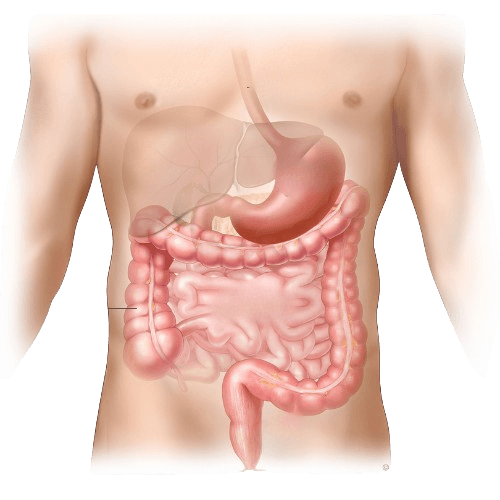
GISTs are tumors that develop from interstitial cells of Cajal in the digestive tract wall.
They most commonly occur in the stomach or small intestine and can be benign or malignant.
Targeted drugs have revolutionized treatment outcomes.
Overview And Clinical Background
GISTs are distinct from typical gastrointestinal cancers due to their cell origin and response to targeted therapy.
They are linked to mutations in the KIT or PDGFRA genes.
- Origin:: Arise from interstitial cells controlling gut movement.
- May occur anywhere along the GI tract, most often the stomach.
- Mutation:: KIT or PDGFRA mutations drive abnormal cell growth.
Symptoms, Signs And Presentation
Symptoms vary based on tumor size and location.
Bleeding or obstruction may signal advanced disease.
- Common symptom:: Abdominal discomfort or fullness.
- Vomiting or dark stools due to bleeding.
- Red flag:: Sudden severe pain suggesting rupture or obstruction.
Diagnosis Methods And Investigations
Imaging And Laboratory Tests
CT and endoscopic ultrasound guide diagnosis.
Biopsy confirms GIST and genetic profiling defines therapy response.
- Imaging:: CT/MRI for size and spread evaluation.
- Lab tests:: Immunohistochemistry for CD117 positivity.
- Molecular testing for KIT and PDGFRA mutations.
Treatment Options And Surgical Techniques
Complete tumor removal is the mainstay, followed by targeted drugs for recurrence prevention.
- Conservative:: Not suitable due to risk of tumor growth.
- Minimally invasive options:: Laparoscopic resection for small, localized GISTs.
- Imatinib therapy for advanced or unresectable disease.
Recovery, Risks And Prognosis
Prognosis is excellent in localized tumors with successful surgical margins.
Lifelong follow-up is necessary for recurrence monitoring.
Why Choose Us
CureU Healthcare combines surgical precision with molecular diagnostics.
Our personalized GIST care protocols ensure superior survival and comfort.
Conclusion
GIST management has evolved with targeted therapy and advanced surgical methods.
Early diagnosis ensures long-term control and better quality of life.