Overview
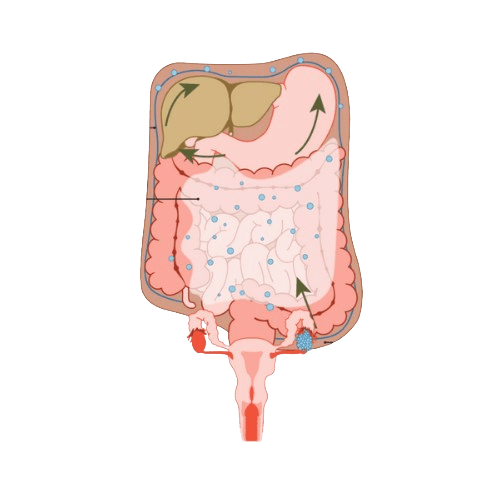
Primary Peritoneal Cancer (PPC) arises from cells lining the abdomen and mimics ovarian cancer in behavior.
Treatment parallels that of ovarian cancer, focusing on cytoreduction and systemic therapy.
Overview And Clinical Background
PPC develops from peritoneal lining cells and often coexists with ovarian pathology.
It affects postmenopausal women more commonly.
- Key point:: Shares features with epithelial ovarian carcinoma.
- Managed using ovarian cancer treatment protocols.
- Third point:: Diagnosis requires ruling out ovarian involvement.
Symptoms, Signs And Presentation
Symptoms include abdominal bloating, pain, and loss of appetite.
Fluid accumulation (ascites) is frequent.
- Common symptom:: Abdominal distension from ascites.
- Fatigue and digestive discomfort.
- Red flag:: Rapid weight gain due to fluid buildup.
Diagnosis Methods And Investigations
Diagnosis is based on imaging, cytology, and surgical biopsy.
Distinguishing PPC from ovarian carcinoma is crucial.
- Imaging:: CT and MRI evaluate peritoneal spread.
- Lab tests:: CA-125 often elevated similar to ovarian cancer.
- Histopathology confirms peritoneal origin.
Treatment Options And Surgical Techniques
Treatment involves surgery to remove visible tumors followed by chemotherapy.
Targeted therapy may be used for certain mutations.
- Conservative:: Symptom control in advanced non-surgical cases.
- Minimally invasive options:: Laparoscopic biopsies for diagnosis and staging.
- Cytoreductive surgery and HIPEC for advanced disease.
Recovery, Risks And Prognosis
Recovery depends on disease burden and response to chemotherapy.
Modern therapy improves survival and comfort.
Why Choose Us
CureU Healthcare uses integrated oncology, precision surgery, and patient-centered care to manage complex abdominal cancers.
Conclusion
Even with advanced presentation, tailored surgical and systemic treatments can significantly improve quality of life for PPC patients.