Overview
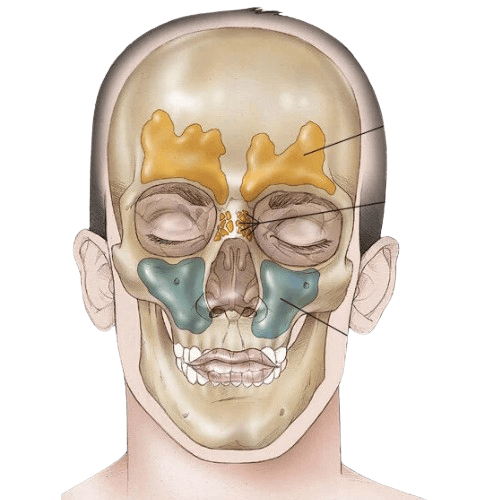
Nasal cavity and paranasal sinus cancers arise in the small air-filled spaces surrounding the nasal passages.
These cancers can block airflow, cause bleeding, or distort facial structures.
Early detection and a team-based surgical approach improve outcomes and preserve function.
Overview And Clinical Background
These malignancies originate from the lining of the nasal cavity or sinuses.
They include squamous cell carcinoma and other rare variants.
- Origin:: From mucosal cells lining nasal passages or sinuses.
- Incidence:: Rare, but more common in long-term exposure to dust or chemicals.
- Types:: Includes squamous, adenocarcinoma, and melanoma variants.
Symptoms, Signs And Presentation
Symptoms often mimic sinus infections, delaying diagnosis.
Facial pain or swelling may signal deeper invasion.
- Nasal blockage:: Persistent congestion unresponsive to usual therapy.
- Bleeding:: Frequent or unexplained nosebleeds.
- Facial deformity:: Occurs in advanced disease due to bone invasion.
Diagnosis Methods And Investigations
Imaging And Laboratory Tests
CT and MRI are crucial to map tumor spread, while biopsy confirms malignancy.
- Endoscopic exam:: Direct visualization of nasal cavity.
- CT/MRI:: Defines extent and involvement of adjacent structures.
- Biopsy:: Determines cancer type and grade.
Treatment Options And Surgical Techniques
Combined surgery and radiation remain mainstays of therapy.
Advanced endoscopic methods allow precise tumor removal.
- Endoscopic resection:: Minimally invasive for localized tumors.
- Radiotherapy:: Used post-surgery to prevent recurrence.
- Chemotherapy:: For extensive or recurrent cases.
Recovery, Risks And Prognosis
Recovery depends on tumor stage and site.
Early-stage cases respond well to combined therapy with good quality of life.
Why Choose Us
CureU Healthcare combines ENT oncology expertise, advanced imaging, and reconstructive surgical precision for comprehensive care.
Conclusion
Early recognition of nasal or sinus cancer symptoms is key.
Modern surgical and radiation techniques help restore both function and appearance.

B.U.M.S, M.D. (NAT) | Reg No. 9153 | Ex. Secretary & Treasurer, N.I.M.A.
Qualified healthcare professional in Unani and Naturopathic medicine with deep expertise in traditional healthcare systems, patient-centered clinical care, and medical content review.