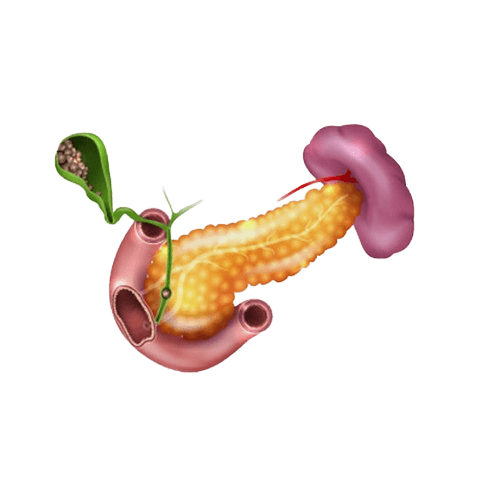
Overview
Gallbladder cancer develops in the bile-storing organ beneath the liver.
It is often associated with chronic gallstones and gallbladder inflammation.
Early surgical intervention offers the best chance of cure.
Overview And Clinical Background
Gallbladder cancer tends to remain silent until it advances.
It primarily affects older adults and is more common in women.
- Cause:: Chronic irritation from gallstones and infections.
- Often diagnosed incidentally during gallbladder surgery.
- Spread:: May extend to liver, bile ducts, or nearby lymph nodes.
Symptoms, Signs And Presentation
Symptoms mimic benign gallbladder disease but progress rapidly as cancer advances.
- Common symptom:: Persistent upper right abdominal pain.
- Jaundice or yellowing of the skin and eyes.
- Red flag:: Unexplained weight loss and palpable abdominal mass.
Diagnosis Methods And Investigations
Imaging And Laboratory Tests
Diagnosis relies on imaging and biopsy.
Tumor markers may support staging and treatment decisions.
- Imaging:: Ultrasound and CT/MRI scans to assess tumor spread.
- Lab tests:: LFTs and CA 19-9 levels as supportive markers.
- Histological confirmation after cholecystectomy.
Treatment Options And Surgical Techniques
Surgery remains the cornerstone of treatment for resectable disease.
Advanced cases may require chemotherapy or radiation.
- Conservative:: Not effective once malignancy is confirmed.
- Minimally invasive options:: Laparoscopic resection in early cases.
- Radical cholecystectomy with hepatic resection for advanced tumors.
Recovery, Risks And Prognosis
Early-stage detection significantly improves prognosis.
Advanced cases may require multidisciplinary palliative care.
Why Choose Us
CureU Healthcare provides advanced imaging, hepatobiliary surgeons, and comprehensive oncologic support.
Personalized care plans ensure quality recovery.
Conclusion
Gallbladder cancer is aggressive but manageable with early detection and expert surgical care.
Lifelong follow-up ensures continued health monitoring.