

Gastroenterology
Anti Reflux Procedures
Anti reflux procedures aim to correct the dysfunction of the lower esophageal sphincter that causes acid reflux. These treatments can be done endoscopically or surgically depending on the severity and patient response to medication.

Gastroenterology
Biliary Drainage & Stenting Surgery
Biliary drainage and stenting procedures are performed to relieve obstructions in the bile ducts, which can result from stones, strictures, or tumors. It allows bile to flow freely from the liver to the intestine, reducing jaundice and infection risks.

Gastroenterology
Bowel Obstruction
Bowel obstruction is a blockage that prevents food or fluid from passing through the intestines. It can result from adhesions, hernias, or tumors, requiring prompt diagnosis and often surgical intervention.

Gastroenterology
Celiac Disease
Celiac disease is a chronic autoimmune disorder triggered by gluten consumption in genetically predisposed individuals. The immune response damages the intestinal lining, leading to malabsorption, digestive discomfort, and nutritional deficiencies.

Gastroenterology
Chronic Intestinal Pseudo Obstruction (CIP)
Chronic Intestinal Pseudo Obstruction (CIP) is a severe condition where the intestines lose their ability to move food normally. Though no mechanical blockage exists, the symptoms mimic those of true intestinal obstruction.

Gastroenterology
Crohn's Disease
Crohn’s disease is a lifelong inflammatory bowel disorder characterized by chronic inflammation of the digestive tract. It may affect any part from mouth to anus, but most commonly impacts the ileum and colon.

Gastroenterology
Gastroesophageal Reflux Disease
Gastroesophageal Reflux Disease occurs when stomach acid frequently flows back into the esophagus, leading to irritation, burning, and discomfort. Chronic GERD can cause inflammation or even ulcers if untreated.

Gastroenterology
Hepatitis B
Hepatitis B is a serious liver infection caused by the hepatitis B virus (HBV). It can lead to chronic disease, cirrhosis, or liver cancer if untreated.

Gastroenterology
Hepatitis C
Hepatitis C virus (HCV) spreads through blood and causes chronic liver inflammation. Early antiviral therapy can cure most cases and prevent complications.

Gastroenterology
Irritable Bowel Syndrome-IBS
Irritable Bowel Syndrome is a functional gastrointestinal condition affecting the large intestine. It causes cramps, bloating, and unpredictable bowel habits without structural abnormalities.
Gastroenterology
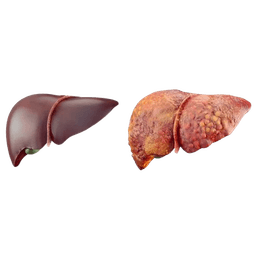
Liver Cirrhosis
Liver cirrhosis develops due to long-term liver injury from conditions like hepatitis, alcoholism, or fatty liver disease. Scarring reduces liver function and increases complication risk.
Gastroenterology
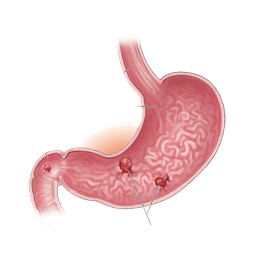
Peptic Ulcer
A peptic ulcer forms when acid and digestive enzymes erode the stomach or duodenal lining. It’s often linked to H. pylori infection or NSAID use.
