Overview
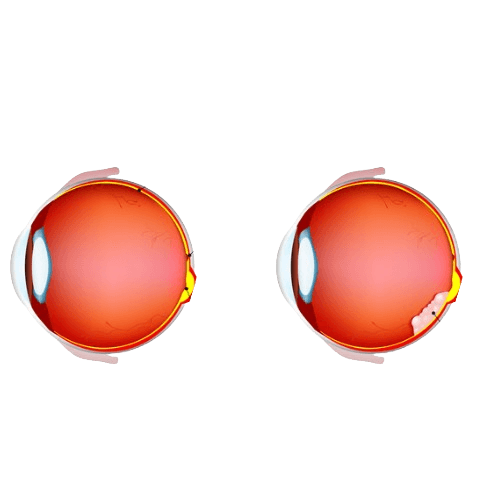
Retinoblastoma is a malignant tumor that develops in the retina, typically affecting young children. Early diagnosis allows for better eye preservation and life outcomes.
Treatment may involve chemotherapy, laser therapy, cryotherapy, or surgical removal depending on severity.
Overview And Clinical Background
Retinoblastoma originates from immature retinal cells and is often associated with genetic mutations in the RB1 gene.
It can affect one or both eyes and has a high survival rate when detected early.
- Key point one:: Retinoblastoma is primarily seen in children under the age of five, making early screening critical for eye and life preservation.
- The cancer develops rapidly and may spread to other parts of the brain if untreated, highlighting the importance of timely medical intervention.
- Third point:: Genetic counseling is often advised for families with hereditary cases to assess recurrence risk in siblings.
Symptoms, Signs And Presentation
The condition usually presents with visible changes in the eye appearance.
Parents often notice unusual reflections or movement abnormalities.
- Common symptom:: A white glow or reflection in the pupil, called leukocoria, is a hallmark sign that requires immediate medical evaluation.
- Crossed eyes or misalignment (strabismus) may also appear as the tumor affects vision and ocular muscle coordination.
- Red flag:: Pain, redness, or swelling in the eye accompanied by vision loss could indicate advanced or spreading disease.
Diagnosis Methods And Investigations
Imaging And Laboratory Tests
Accurate diagnosis involves both imaging and genetic evaluation.
Physicians use several complementary approaches to confirm retinoblastoma.
- Imaging:: Ultrasound, MRI, or CT scans help visualize tumor size, shape, and possible orbital or brain involvement.
- Lab tests:: Genetic testing for RB1 mutation assists in confirming hereditary forms and predicting bilateral risk.
- Ophthalmic examination under anesthesia allows direct tumor visualization and helps plan treatment.
Treatment Options And Surgical Techniques
Treatment aims to save the child’s life, preserve vision, and prevent spread.
The approach depends on tumor size, location, and whether one or both eyes are affected.
- Conservative:: Laser photocoagulation and cryotherapy may destroy smaller tumors while sparing healthy tissue.
- Minimally invasive options:: Intra-arterial or intravitreal chemotherapy delivers drugs directly to the tumor with fewer systemic effects.
- Enucleation (eye removal) may be performed for advanced cases to prevent metastasis and ensure patient survival.
Recovery, Risks And Prognosis
Children with retinoblastoma have excellent survival rates when treated early.
Visual outcomes depend on tumor size and laterality, with ongoing follow-up required to detect recurrence.
Why Choose Us
CureU Healthcare’s pediatric oncology team uses precision imaging, advanced chemotherapy, and compassionate family-centered care to ensure the best possible outcomes.
We focus equally on life preservation and quality of life improvement.
Conclusion
Retinoblastoma is a serious but highly treatable eye cancer.
Early detection and comprehensive multidisciplinary management greatly improve survival and vision preservation.

B.U.M.S, M.D. (NAT) | Reg No. 9153 | Ex. Secretary & Treasurer, N.I.M.A.
Qualified healthcare professional in Unani and Naturopathic medicine with deep expertise in traditional healthcare systems, patient-centered clinical care, and medical content review.