Overview
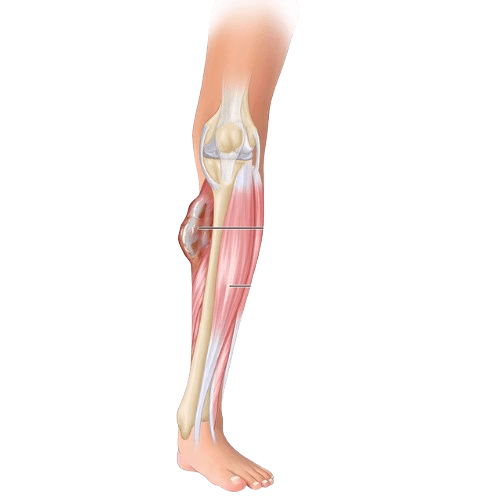
Soft tissue sarcoma (STS) represents a diverse group of cancers that develop in connective tissues like muscle, fat, nerves, or blood vessels.
They can appear anywhere in the body but are most common in the limbs.
Successful management depends on precise diagnosis, complete surgical excision, and carefully planned radiotherapy or chemotherapy.
Overview And Clinical Background
A diverse group of mesenchymal malignancies
Over 70 histologic subtypes of STS exist, each with distinct behavior.
Most grow as painless, slowly enlarging masses, which can delay diagnosis until significant size or functional impairment occurs.
- Common sites: Thigh, shoulder, and retroperitoneum are frequent origins due to large volumes of soft tissue allowing tumors to grow unnoticed for months.
- Risk factors: Radiation exposure, certain genetic syndromes, and chronic lymphedema may predispose individuals to sarcoma formation.
- Clinical importance: Wide excision with tumor-free margins remains key for long-term local control and survival.
Symptoms, Signs And Presentation
Sarcomas usually appear as firm, non-tender masses that progressively enlarge.
Pain, swelling, or limitation of movement may occur as the tumor compresses nearby structures.
- Painless mass: Most patients present with an enlarging lump in an extremity or trunk that does not regress, often mistaken for a benign lipoma.
- Functional impairment: As tumors grow, they may restrict limb movement or compress nerves, leading to weakness or sensory loss.
- Late-stage symptoms: In advanced stages, systemic fatigue, weight loss, or metastatic symptoms (especially in lungs) may appear.
Diagnosis Methods And Investigations
Imaging, biopsy and staging
MRI defines local tumor extent, while biopsy confirms diagnosis.
PET-CT and chest CT assess metastasis since lungs are the most common site of spread.
- Imaging: MRI is the gold standard for local staging, revealing tumor boundaries and relationships to neurovascular structures.
- Biopsy: Core needle biopsy provides histologic grade and subtype while minimizing contamination of surrounding tissue planes.
- Staging: AJCC staging considers size, grade, and metastasis to guide prognosis and therapy selection.
Treatment Options And Surgical Techniques
Management is multidisciplinary, focusing on limb-sparing surgery combined with radiotherapy for local control.
Chemotherapy is used in select high-grade or metastatic cases.
- Surgery: Wide local excision with negative margins is the cornerstone; reconstructive procedures maintain form and function post-resection.
- Radiation therapy: Pre- or postoperative radiotherapy improves local control, especially for high-grade or large tumors.
- Systemic therapy: Chemotherapy using doxorubicin and ifosfamide may shrink tumors preoperatively or manage metastasis.
Recovery, Risks And Prognosis
Local recurrence risk depends on surgical margins and tumor grade.
Early detection and complete excision can achieve long-term survival, especially for low-grade sarcomas.
Ongoing rehabilitation aids limb recovery and strength.
Why Choose Us
CureU Healthcare offers access to sarcoma specialists, advanced reconstructive surgery, and integrated rehabilitation.
Our approach focuses equally on tumor clearance and restoring mobility and quality of life.
Conclusion
Soft tissue sarcoma demands precise diagnosis and coordinated treatment.
A well-planned multidisciplinary strategy enables functional preservation and improved survival outcomes.

B.U.M.S, M.D. (NAT) | Reg No. 9153 | Ex. Secretary & Treasurer, N.I.M.A.
Qualified healthcare professional in Unani and Naturopathic medicine with deep expertise in traditional healthcare systems, patient-centered clinical care, and medical content review.