Robotic Cardiac
Total Anomalous Pulmonary Venous Return (TAPVR) Surgery
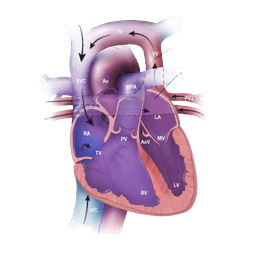
Total Anomalous Pulmonary Venous Return (TAPVR) is a rare congenital heart defect where the pulmonary veins, which normally carry oxygen-rich blood from the lungs to the left atrium, connect abnormally to the right atrium or other veins. This misconnection causes oxygenated and deoxygenated blood to mix, leading to low oxygen levels in the body (cyanosis). TAPVR is a critical condition that requires surgical correction soon after birth.
Robotic Cardiac
Single Ventricle Defects Surgery
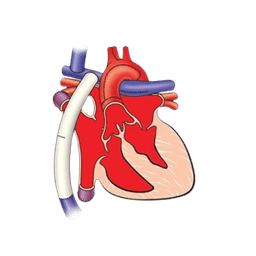
Single ventricle defects are a group of congenital heart defects where one of the two lower chambers of the heart (ventricles) does not develop properly. This makes it difficult for the heart to pump blood efficiently, leading to serious health challenges.
Robotic Cardiac
Ventricular Septal Defect (VSD) Surgery
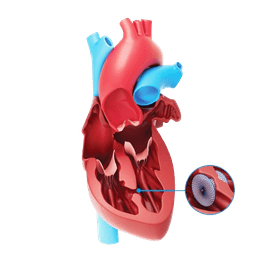
A Ventricular Septal Defect (VSD) is one of the most common congenital heart defects. It occurs when there is a hole in the wall (septum) that separates the two lower chambers of the heart (ventricles). This opening allows oxygen-rich blood from the left ventricle to mix with oxygen-poor blood from the right ventricle. As a result, the heart works harder, and excess blood may flow to the lungs, leading to breathing difficulties and other complications.
Robotic Cardiac
Valve Replacement Surgery
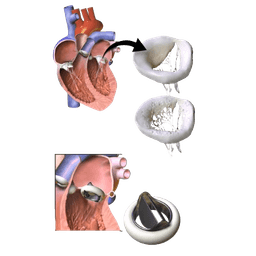
The heart has four valves – aortic, mitral, tricuspid, and pulmonary – which ensure that blood flows in the correct direction. When one or more of these valves are damaged or diseased, they may not open or close properly. This condition is known as valvular heart disease. If valve repair is not possible, doctors may recommend valve replacement surgery, in which the damaged valve is replaced with a mechanical or biological (tissue) valve to restore normal blood circulation.
Robotic Cardiac
Transmyocardial Laser Revascularization (TMR)
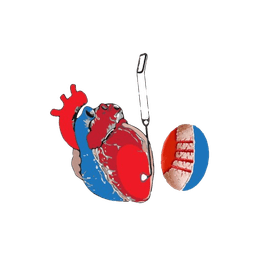
Transmyocardial Laser Revascularization (TMR) is a specialized surgical technique used to treat patients with severe coronary artery disease who cannot undergo traditional bypass surgery or angioplasty. In this procedure, a high-energy laser creates small channels in the heart muscle (myocardium). These channels allow oxygen-rich blood from the left ventricle to directly reach heart tissue, improving circulation and reducing chest pain (angina).
Robotic Cardiac
TAVI / TAVR (Transcatheter Aortic Valve Implantation / Replacement)
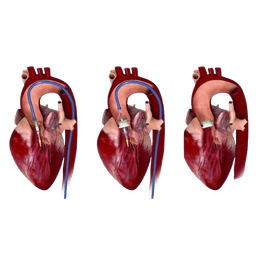
Transcatheter Aortic Valve Implantation (TAVI), also known as Transcatheter Aortic Valve Replacement (TAVR), is a minimally invasive heart procedure used to replace a narrowed aortic valve that fails to open properly, a condition known as aortic stenosis. Unlike traditional open-heart surgery, TAVI/TAVR is performed through small incisions using a catheter, making it suitable for patients at high surgical risk or those not eligible for conventional surgery.
Robotic Cardiac
Truncus Arteriosus Surgery
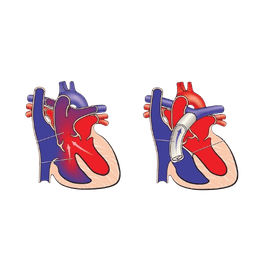
Truncus Arteriosus is a rare congenital heart defect where instead of having two separate blood vessels (the aorta and the pulmonary artery), the baby is born with a single large vessel coming out of the heart. This defect also usually includes a ventricular septal defect (VSD) – a hole between the two lower chambers of the heart. As a result, oxygen-rich and oxygen-poor blood mix together, leading to low oxygen supply throughout the body.
Robotic Cardiac
Ross Procedure
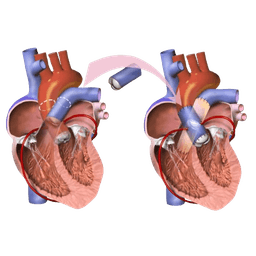
The Ross Procedure is a specialized type of heart surgery used to treat aortic valve disease. During this operation, the patient’s own pulmonary valve is moved to replace the damaged aortic valve. A donor valve (homograft) is then used to replace the pulmonary valve. This unique approach provides patients with a living, functioning valve that grows naturally with the body, making it especially beneficial for younger individuals.
Robotic Cardiac
Total Anomalous Pulmonary Venous Connection (TAPVC) Repair & Arterial Switch
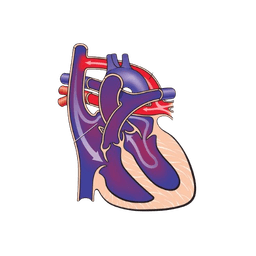
Total Anomalous Pulmonary Venous Connection (TAPVC) is a rare congenital heart defect where the pulmonary veins (which should carry oxygen-rich blood from the lungs to the left atrium) connect abnormally to the right side of the heart. As a result, oxygenated and deoxygenated blood mix, leading to low oxygen levels in the body. If left untreated, TAPVC can be life-threatening in newborns and infants.
Robotic Cardiac
Single Bypass & Valve Replacement Surgery
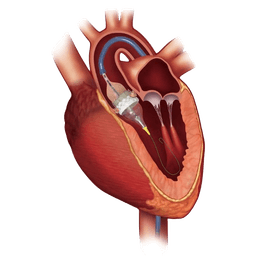
Single Bypass & Valve Replacement is a combined cardiac procedure performed when a patient suffers from both coronary artery blockage and heart valve disease. Instead of undergoing two separate operations, both conditions are treated in a single surgery. This approach helps restore proper blood flow to the heart while also repairing or replacing the diseased valve, leading to improved heart function and better quality of life.
Robotic Cardiac
Ventricular Septal Defect (VSD) Closure Surgery in Adults
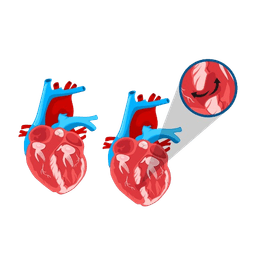
A Ventricular Septal Defect (VSD) is a hole in the wall (septum) separating the two lower chambers of the heart (ventricles). While VSDs are usually diagnosed and treated in childhood, some cases remain undetected or untreated until adulthood. In adults, a VSD can cause long-term complications, such as heart failure, arrhythmias, and pulmonary hypertension, making surgical closure necessary.
