Overview
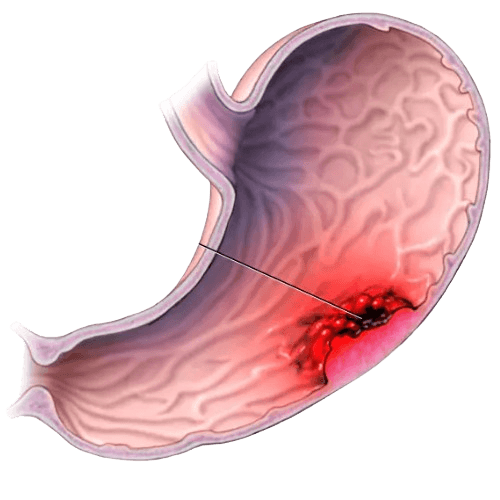
Stomach cancer arises from malignant transformation of the gastric mucosa, commonly adenocarcinoma.
Risk factors include chronic H. pylori infection, dietary habits, smoking, and genetic predisposition.
Early detection improves survival dramatically, but most cases present at advanced stages requiring multimodal therapy.
Overview And Clinical Background
Pathogenesis and risk profile
Stomach cancer progresses through chronic inflammation, intestinal metaplasia, and dysplasia to carcinoma.
It remains a major cause of cancer death worldwide, though incidence is declining in some regions due to better infection control and diet.
- Common causes: Chronic Helicobacter pylori infection, high-salt diets, smoked foods, and genetic mutations in CDH1 or mismatch repair genes contribute to malignancy risk.
- Anatomical sites: Tumors can arise in the cardia, body, or antrum; location influences symptoms, staging, and surgical approach.
- Early detection importance: Endoscopic screening in high-risk groups allows early curative resection before invasive spread.
Symptoms, Signs And Presentation
Symptoms often remain mild until late stage.
Common signs include persistent indigestion, loss of appetite, unintentional weight loss, and early satiety.
- Early symptoms: Mild epigastric discomfort, nausea, or bloating after meals may precede visible disease and are often mistaken for gastritis.
- Alarm symptoms: Vomiting, progressive weight loss, or black stools suggest advanced disease and require urgent endoscopy.
- Metastatic signs: Anemia, fatigue, jaundice, or palpable abdominal mass may appear with widespread spread.
Diagnosis Methods And Investigations
Endoscopic and histologic confirmation
Upper GI endoscopy with biopsy is essential for diagnosis, followed by CT and PET scans for staging.
Endoscopic ultrasound evaluates depth of invasion and nodal status.
- Endoscopy with biopsy: Direct visualization and tissue sampling confirm malignancy and histologic subtype.
- Imaging: CT or PET imaging determines tumor extent, nodal involvement, and distant metastases to guide surgical planning.
- Molecular testing: HER2, PD-L1, and MSI testing guide eligibility for targeted and immunotherapies.
Treatment Options And Surgical Techniques
Treatment involves surgery, systemic therapy, and nutritional support.
Early lesions may be treated endoscopically, while advanced disease requires subtotal or total gastrectomy with lymph node dissection.
- Surgery: Depending on tumor location, subtotal or total gastrectomy with reconstruction is performed to remove the primary tumor and involved nodes.
- Chemotherapy and targeted therapy: Perioperative or adjuvant chemotherapy (often with fluoropyrimidine and platinum agents) improves outcomes, while HER2-positive cancers respond to trastuzumab-based regimens.
- Nutritional management: Postoperative dietary modification, small frequent meals, and vitamin supplementation are essential for recovery and long-term health.
Recovery, Risks And Prognosis
Outcomes depend on stage at diagnosis — early gastric cancer has over 90% survival after surgery, while advanced cases require combination therapy.
Lifelong nutritional follow-up is recommended after major gastric resection.
Why Choose Us
CureU Healthcare provides comprehensive gastric oncology care including advanced laparoscopic gastrectomy, targeted therapy, and nutritional rehabilitation.
Our multidisciplinary teams ensure personalized, evidence-based management.
Conclusion
Stomach cancer is treatable when detected early.
Combining precise surgery, systemic therapy, and post-treatment care enhances both survival and quality of life.

B.U.M.S, M.D. (NAT) | Reg No. 9153 | Ex. Secretary & Treasurer, N.I.M.A.
Qualified healthcare professional in Unani and Naturopathic medicine with deep expertise in traditional healthcare systems, patient-centered clinical care, and medical content review.