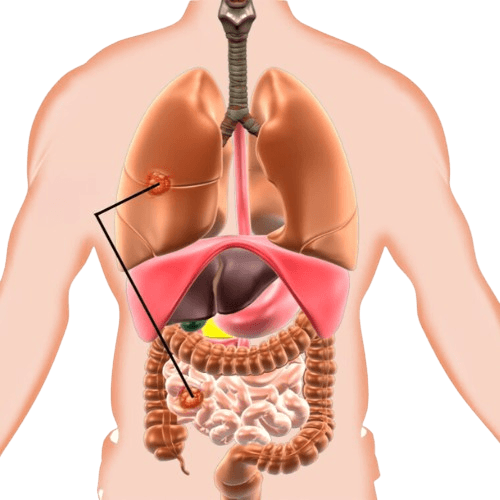
Overview
Carcinoid tumors arise from neuroendocrine cells that release hormones.
They usually grow slowly but can cause systemic symptoms known as carcinoid syndrome.
Overview And Clinical Background
Carcinoid tumors can occur in the small intestine, rectum, or lungs.
They release chemicals that cause flushing, diarrhea, and wheezing.
- Nature:: Typically slow-growing neuroendocrine tumors.
- Can produce excess serotonin causing systemic effects.
- Sites:: Commonly found in GI tract and bronchial system.
Symptoms, Signs And Presentation
Symptoms depend on tumor site and hormone activity.
Carcinoid syndrome is a hallmark of metastatic disease.
- Common symptom:: Flushing, diarrhea, and abdominal pain.
- Wheezing or shortness of breath in lung cases.
- Red flag:: Sudden severe flushing with heart problems — needs urgent care.
Diagnosis Methods And Investigations
Imaging And Laboratory Tests
Diagnosis includes hormone tests and imaging to detect spread.
A biopsy confirms cell type.
- Imaging:: CT, MRI, or somatostatin receptor scan locate tumors.
- Lab tests:: Elevated 5-HIAA levels in urine suggest carcinoid activity.
- Endoscopy or bronchoscopy may visualize primary site.
Treatment Options And Surgical Techniques
Surgery is preferred for localized disease, while medications control symptoms in advanced stages.
- Conservative:: Octreotide injections to suppress hormone release.
- Minimally invasive options:: Laparoscopic removal for accessible tumors.
- Liver-directed therapy or surgery for metastases.
Recovery, Risks And Prognosis
Slow-growing nature means better survival rates.
Lifelong follow-up ensures hormonal balance and recurrence control.
Why Choose Us
CureU Healthcare’s oncology experts specialize in neuroendocrine tumor management with advanced imaging and targeted therapies.
Conclusion
Carcinoid tumors, though rare, respond well to precise surgical and hormonal treatment.
Early recognition improves long-term outcomes.