Overview
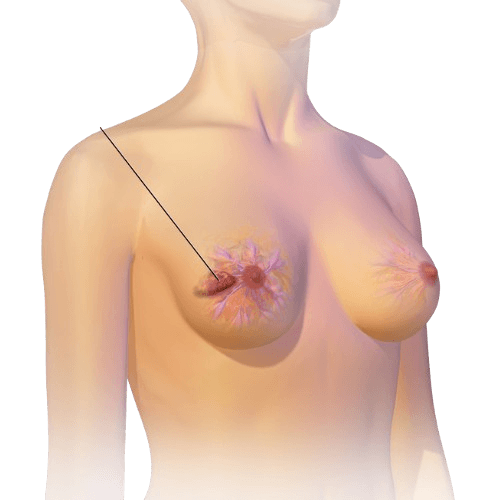
Breast cancer surgery includes procedures like lumpectomy, mastectomy, and reconstructive surgery.
The goal is to remove cancer while preserving aesthetics and functionality.
Overview And Clinical Background
Surgery is the primary treatment for localized breast cancer.
It may be combined with chemotherapy or radiation for best results.
- Techniques:: Lumpectomy, mastectomy, and sentinel lymph node biopsy.
- Reconstruction can be immediate or delayed.
- Objective:: Remove all cancerous tissue while minimizing cosmetic loss.
Symptoms, Signs And Presentation
Candidates include those with confirmed breast cancer or suspicious localized tumors.
Pain, swelling, or palpable lumps may lead to evaluation.
- Common symptom:: Palpable lump or skin change.
- Discharge or nipple inversion.
- Red flag:: Rapidly enlarging mass or ulceration.
Diagnosis Methods And Investigations
Imaging And Laboratory Tests
Pre-surgical imaging and biopsy confirm extent.
MRI and mammography are used for mapping tumor boundaries.
- Imaging:: Mammogram, MRI, or ultrasound to guide surgery.
- Lab tests:: Hormone receptor and HER2 testing influence therapy.
- Blood and fitness tests done preoperatively.
Treatment Options And Surgical Techniques
Approach varies with cancer type and stage.
Reconstruction offers aesthetic restoration post-surgery.
- Conservative:: Lumpectomy preserves most of the breast.
- Minimally invasive options:: Sentinel node biopsy reduces lymph removal.
- Full mastectomy for extensive or recurrent cancer.
Recovery, Risks And Prognosis
Recovery is smooth for most patients with post-op care.
Physical therapy aids arm mobility; prognosis is excellent when caught early.
Why Choose Us
CureU Healthcare’s breast oncology team blends surgical precision with empathy — offering advanced reconstruction, same-day discharge, and full support.
Conclusion
Surgery for breast cancer saves lives and restores confidence.
Timely intervention offers the best outcomes.