Overview
Radiotherapy delivers controlled doses of high-energy radiation to kill or control cancer cells.
It is used as a primary, adjuvant, or palliative treatment across many cancer types, employing sophisticated planning to minimise harm to normal tissues.
Techniques like IMRT, IGRT, and stereotactic radiotherapy allow tumour-focused therapy with excellent accuracy.
Overview And Clinical Background
Precision cancer treatment using ionising radiation
Radiation therapy is a cornerstone of modern oncology, working alone or with surgery and chemotherapy.
Advances in technology have improved precision, reducing collateral tissue damage.
- Treatment intent: Curative, adjuvant, or palliative depending on disease stage and goal.
- Types: External beam, brachytherapy, and systemic radiotherapy.
- Integration: Commonly used with surgery or chemotherapy for optimal outcomes.
Symptoms, Signs And Presentation
Radiotherapy itself does not cause cancer symptoms but may be used for pain relief, bleeding control, or tumour shrinkage.
Side effects depend on treated area and dose.
- Acute effects: Skin redness, fatigue, or mild pain near treatment area.
- Late effects: Scarring, dryness, or stiffness depending on tissues involved.
- Monitoring: Regular review ensures side effects are managed promptly.
Diagnosis Methods And Investigations
Treatment planning and simulation
Before radiotherapy, imaging and simulation plan the exact radiation field.
CT, MRI, or PET define target volume and critical structures to ensure accuracy.
- CT simulation: Defines body geometry for dose mapping.
- MRI fusion: Improves soft-tissue definition and targeting precision.
- Treatment planning system: Computes optimal beam arrangements and doses.
Treatment Options And Surgical Techniques
Modern radiotherapy is non-invasive, delivered daily over several weeks.
Techniques include IMRT, IGRT, and SBRT for high precision, and brachytherapy for internal radiation.
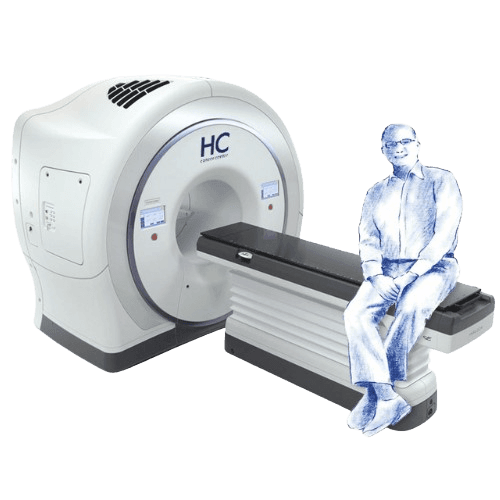
- External beam radiation: Standard approach delivering daily doses via linear accelerator.
- Brachytherapy: Radioactive sources placed directly into or near the tumour.
- Stereotactic therapy: High-dose precision radiation for small, well-defined tumours.
Recovery, Risks And Prognosis
Most patients tolerate radiotherapy well; fatigue and local irritation subside gradually after completion.
Local control rates are high when combined with accurate imaging and planning.
Why Choose Us
CureU Healthcare utilises advanced linear accelerators, 3D planning, and image-guided systems to deliver safe, effective radiotherapy.
A multidisciplinary team ensures coordinated care and side-effect management.
Conclusion
Radiotherapy remains a vital, evolving modality in cancer management — balancing precision, efficacy, and preservation of quality of life.

B.U.M.S, M.D. (NAT) | Reg No. 9153 | Ex. Secretary & Treasurer, N.I.M.A.
Qualified healthcare professional in Unani and Naturopathic medicine with deep expertise in traditional healthcare systems, patient-centered clinical care, and medical content review.