Overview
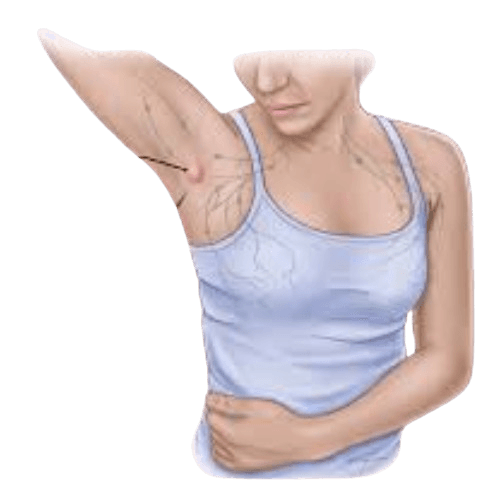
Castleman Disease affects the lymphatic system, leading to non-cancerous but abnormal growth of lymph node tissue.
It can appear as a single enlarged node (unicentric) or multiple (multicentric) and often mimics lymphoma in presentation.
Overview And Clinical Background
Castleman Disease involves overgrowth of cells in the body’s lymphatic system, potentially affecting immune function.
It is classified as unicentric or multicentric based on lymph node involvement.
- Unicentric:: Involves a single lymph node region and often curable by surgery.
- Multicentric:: Affects multiple lymph nodes and may require systemic therapy.
- Early detection helps in preventing immune complications.
Symptoms, Signs And Presentation
Symptoms depend on type and extent of lymph node involvement.
Commonly confused with infections or lymphoma.
- Common symptom:: Swollen lymph nodes in neck, chest, or abdomen.
- Fatigue, fever, and weight loss.
- Red flag:: Severe anemia or recurrent infections suggesting immune suppression.
Diagnosis Methods And Investigations
Histopathology and Imaging
Diagnosis is confirmed through biopsy, supported by imaging and lab work.
Early recognition prevents complications.
- Imaging:: CT or MRI scans to detect affected lymph nodes.
- Lab tests:: Blood counts and immune studies for inflammatory markers.
- Lymph node biopsy confirms the diagnosis.
Treatment Options And Surgical Techniques
Treatment depends on the disease subtype and severity.
Surgery, medications, or targeted therapy may be required.
- Surgical removal:: Curative for unicentric Castleman Disease.
- Medical therapy:: Includes corticosteroids or immunotherapy for multicentric forms.
- Antiviral or chemotherapy regimens in virus-associated cases.
Recovery, Risks And Prognosis
Prognosis is excellent for localized disease post-surgery.
Multicentric forms require ongoing monitoring and systemic management.
Why Choose Us
CureU Healthcare provides advanced immunologic and surgical expertise for Castleman Disease.
Our integrated approach ensures long-term health and well-being.
Conclusion
Castleman Disease, though rare, is treatable with precise diagnosis and coordinated care.
Ongoing follow-up helps maintain immune balance and recovery.