Overview
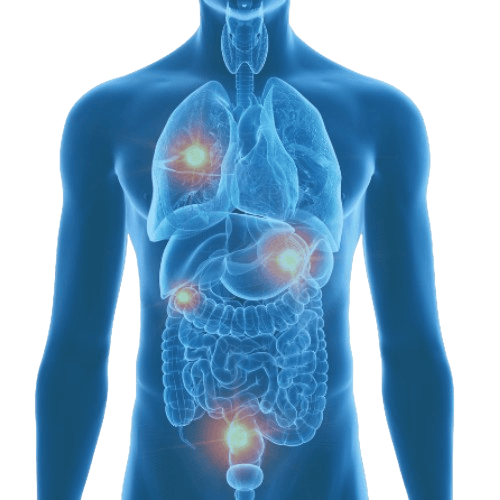
Metastatic tumors are secondary growths formed when cancer cells migrate from a primary site to distant organs.
They indicate advanced disease but can still be managed effectively with modern therapies.
Treatment focuses on control, symptom relief, and quality of life.
Overview And Clinical Background
Metastasis occurs through blood, lymphatic, or direct invasion.
These tumors share features of the primary cancer, not the new organ they occupy.
- Mechanism:: Cancer cells travel via bloodstream or lymphatics.
- Common sites:: Liver, lungs, bones, and brain.
- Significance:: Indicates stage IV disease in most cancers.
Symptoms, Signs And Presentation
Symptoms vary depending on where metastasis has occurred.
Fatigue and weight loss are common systemic signs.
- Bone metastasis:: Causes pain or fractures.
- Lung spread:: Leads to cough or breathlessness.
- Brain involvement:: May cause headaches or seizures.
Diagnosis Methods And Investigations
Imaging And Laboratory Tests
Diagnosis involves imaging, biopsy, and sometimes molecular profiling to identify the source.
- CT/MRI:: Locate and define the extent of metastases.
- Biopsy:: Confirms cancer type and origin.
- Tumor markers:: Used to track disease progression.
Treatment Options And Surgical Techniques
Treatment aims for disease control rather than cure.
Depending on spread, it may include systemic or localized therapy.
- Chemotherapy:: Used to target widespread disease.
- Targeted therapy:: Acts on specific molecular pathways.
- Surgery or radiation:: Used for symptom control or solitary metastasis.
Recovery, Risks And Prognosis
While metastatic cancer is usually incurable, many patients live years with modern combination treatments.
Why Choose Us
CureU Healthcare provides multidisciplinary cancer care, precision diagnostics, and personalized treatment plans for advanced cancer management.
Conclusion
Metastatic tumors signify spread but not surrender.
With evolving therapies, life expectancy and comfort can be greatly improved.

B.U.M.S, M.D. (NAT) | Reg No. 9153 | Ex. Secretary & Treasurer, N.I.M.A.
Qualified healthcare professional in Unani and Naturopathic medicine with deep expertise in traditional healthcare systems, patient-centered clinical care, and medical content review.