Orthopedic Surgery
Amputation- Above Knee
Above-Knee Amputation is a surgical procedure that is performed to remove the leg above the knee joint. This surgery is often done due to serious health problems, such as peripheral vascular disease, which can lead to a stoppage of blood flow, ultimately resulting in life-threatening tissue damage or death of tissues. Additionally, another cause for performing this surgery is untreatable foot or leg ulcers, which are mainly observed in diabetic patients or as a result of severe accidents. Furthermore, this procedure is considered the last resort after other treatments have been attempted, as the decision is extremely difficult for the patient. Consequently, it requires a great deal of mental balance, emotional stability, and physical health.

Orthopedic Surgery
Autologous Chondrocyte Implantation
Autologous Chondrocyte Implantation (ACI) is a procedure that treats articular cartilage issues of the knee. Specifically, this procedure involves treating and repairing cartilage damage in small areas that may lead to pain, swelling, or affect the functioning of the knee. -br However, patients with severe knee arthritis are not recommended for Autologous Chondrocyte Implantation. -br Additionally, Autologous Chondrocyte Implantation in India is a two-stage procedure. -br Let's understand it step-by-step.

Orthopedic Surgery
Boutonniere Deformity
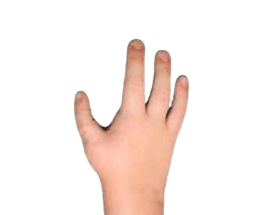
Boutonniere deformity is a condition that turns out to be problematic in folding or straightening the middle joint of the finger, or rarely, a toe. In this condition, usually, a joint is stuck in a bent position and does not get straightened. Simultaneously, the joint at the forwarded tip of the finger or toe is flexed in an upward direction. -br In case of an injured tendon in the hand, called the central slip extensor, it may form a boutonniere deformity. Furthermore, tissues made up of packed fibers that are linked with muscle to bone are known as tendons, which help in movement. In boutonniere deformity, the tendons are torn through injury, and a slip emerges. If such situations are not replaced back, the middle finger remains bent, and the tip of the finger might stick out. -br The name 'boutonniere deformity' is given because the slit in the tendon looks like a buttonhole.

Orthopedic Surgery
Hip Arthroscopy
Hip arthroscopy is, therefore, a minimally invasive procedure performed to treat hip problems. In this surgical procedure, a thin tube attached to a camera at the end is inserted to provide a clear view on the monitor. Moreover, this surgery is supervised by top orthopedic surgeons in India. -br This arthroscope is a flexible tube that can, in fact, bend wherever needed. An incision is, therefore, made near the hip, allowing the insertion of the arthroscope directly into the joint to treat the condition. Furthermore, the camera provides a clear and magnified view of the hip joint tissue. This also enables the surgeon to locate the exact site of damage, injury, or other issues within the hip joint. -br In addition, arthroscopy helps in diagnosing the cause of severe hip pain and treating problems related to the hip. Since only a few incisions are made to insert the arthroscope, this, in turn, leads to quicker recovery. Moreover, it is an outpatient procedure, meaning the patient gets discharged on the same day.
Orthopedic Surgery
Lateral Epicondyle release (Tennis Elbow)
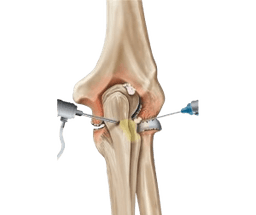
Lateral Epicondylitis Release is a surgical procedure that involves the treatment of problems caused due to lateral epicondylitis. This condition is also familiar as tennis elbow. -br The elbow joint consists of three parts: that is the upper arm bone, humerus, and the two forearm bones, i.e., radius and ulna. Epicondyles are a type of bony bumps at the lower end of the humerus. These are the kind of connection for larger tendons and muscles that are involved in arm movement. The bump present outside the elbow is known as the lateral epicondyle.

Orthopedic Surgery
Limb Lengthening Surgery
Limb lengthening is a surgical procedure that involves making an arm or leg bone longer. Orthopedic surgeons perform this surgery on these bones such as:

Orthopedic Surgery
Partial Hip Replacement Surgery - Unilateral Hip Replacement
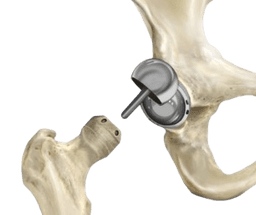
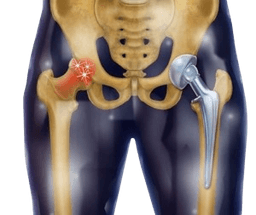
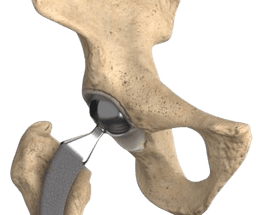
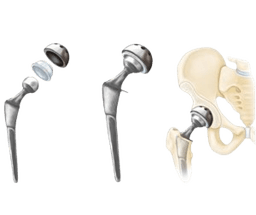
Partial hip replacement or Unilateral Hip replacement is a procedure to replace the femoral ball of the hip joint. This joint is replaced with an artificial joint due to damage or bone or cartilage issues. A long metal stem is attached to the artificial part. This metal is inserted into the thigh bone. Over time, natural bone grows around the area. Moreover, this hip replacement allows for the repair of fractures, although it is better if the hip socket is healthy and in functioning condition and healthy. Partial hip replacement is considered a minimally invasive procedure, as it is done with only a few and small incisions. -br Therefore, Partial hip replacement in India is also familiar as unilateral hip replacement.

Orthopedic Surgery
Ankle Arthroscopy
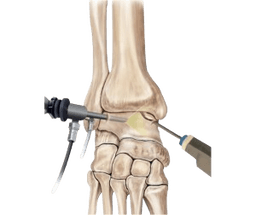
Ankle arthroscopy is a surgical procedure that is performed to treat problems inside the ankle joint. In this procedure, an arthroscope is a medical device that is inserted into the ankle to check the damage and repair it. The arthroscopy tool is handled by the orthopedic surgeon. This tool, called an arthroscope, contains a tiny camera and a light, which allows the surgeon to see the inside view of the ankle. A small incision is made to insert the arthroscope. -br Additionally, this is considered a minimally invasive surgery, as the incision required to perform the surgery is very small, especially when compared to other surgeries that require larger and more incisions.

Orthopedic Surgery
Osteochondral Autografting- Mosaicplasty Surgery
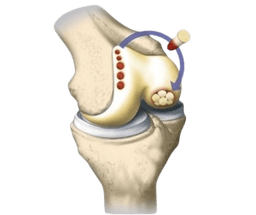
Osteochondral autografting (OCG) is a surgical procedure that involves the repair of damaged articular cartilage, which forms the ends of bones in a joint. This technique utilizes an osteochondral autograft—a piece of tissue harvested from the healthy parts of the joint—which is then transplanted to replace chondral defects. -br Generally, there are two types of osteochondral autografting:
Orthopedic Surgery
Revision ACL Reconstruction Surgery
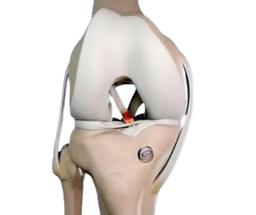
The anterior cruciate ligament (ACL) is one of the most common torn ligaments in the knee. It can occur mostly in the athletic population due to sudden stops, knee rotation, running, jumping, and so on. -br A revision ACL reconstruction surgery is a second surgery performed to repair a torn anterior cruciate ligament. Moreover, ACL revision surgery is a more complex procedure for orthopedic surgeons. The best orthopedic surgeons in India perform the revision ACL reconstruction surgery with high proficiency and better results. -br Fresh or primary ACL reconstruction is performed with skills and techniques. However, in revision surgery, it takes more effort and different factors need to be considered for better results.

Orthopedic Surgery
Tendon Transfer
The tendon is a hard, strong cord that connects muscles to bones or muscles that are attached to bone. In addition, tendons attached to the muscles help to perform the movements of the joints. Furthermore, not only one or two, but there are forty different muscles in the forearm and hand. Some of these muscles are layered upon each other. However, after ruptured tendons or injury, these muscles do not move properly. In such cases, tendon transfer surgery is performed to transfer the non-working muscles to replace the tendon with working muscles. -br For example, after an injury with a broken wrist, the tendon to the thumb that performs the movement of a thumbs-up can be broken. In some cases, the two ends are severely damaged and cannot be stitched back together. During the surgery, the surgeon can transfer the index finger tendons to the thumb, which recreates the action of thumbs up. This means it will allow the fingers to move again in the same position.

Orthopedic Surgery
Bilateral Knee Replacement Surgery
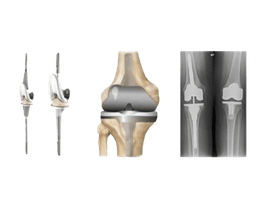
Bilateral knee replacement is a surgical procedure to replace both the knees that are damaged due to injury or cartilage. For example, arthritis causes pain in the knee that can be resolved with knee replacement treatment. In addition, patients who are going through knee pain in both the knees are known as bilateral. When both the knees are replaced with an artificial joint called a prosthesis, it is known as bilateral knee replacement surgery, which is also known as double knee replacement. Although this treatment can take long hours, the treatment is done at Bilateral knee replacement hospitals in India all at once, without getting it done in separate surgeries and that too without any hidden cost.

Orthopedic Surgery
Osteotomy
An osteotomy is a surgical procedure of cutting bone for realigning and reshaping bone joints. Specifically, some of the common surgery points are the elbow, jaw, spine, shoulder, knees, hips, legs, toes, and feet. Moreover, the best orthopedic surgeons in India make better decisions to perform the surgery as per the patient’s condition. Notably, osteotomies can be performed on every joint of the body. Furthermore, the osteotomy involves treating problems related to joints, where two or more bones meet. Consequently, surgeons will discuss various types of methods and variations to perform osteotomy.

Orthopedic Surgery
Revision Hip Replacement
Hip revision replacement is a surgery that repairs and replaces the prosthesis that is already placed in the hip joint. This surgery is recommended if there is an infection or damage to the artificial joint. -br Revision hip replacement surgery is a second surgery that addresses the issue in the initial hip replacement surgery. The procedure remains the same as the primary hip replacement surgery. However, the main motive of the surgery is to improve the function of the artificial joint.

Orthopedic Surgery
Congenital Limb Defects Correction Surgery
Congenital Limb Defect Correction is a condition that can be seen in unborn babies or as a birth defect. This involves the complete upper or lower limb, or half of the limb, failing to develop normally, which ultimately results in abnormalities or defects. As a result, a growing fetus can be affected by this condition. -br When it comes to rectification solutions, they are different for every child, but overall, the motive of all the corrective measures is the same i.e., to lead the child to a normal life. Furthermore, various treatments for congenital defects treat conditions ranging from mild to moderate, including surgical procedures and rehabilitation therapy.

Orthopedic Surgery
Pediatric Hip Dysplasia Surgery
Pediatric Hip Dysplasia in India is a condition that affects babies' hip joints. This condition can be treated if diagnosed and treated before the age of 6 months of the baby. Hip dysplasia is seen in babies mostly as this condition is rare to be seen in older children and adults. -br A joint is a point where two bones meet, likewise, the hip joint is a point that connects the thigh bone (femur) and hip bone (pelvis) together. -br Pediatric Hip dysplasia surgery is an uncommon condition that can occur when bones in the hip joint don’t fix together correctly. Hip dysplasia can be commonly seen in babies and is a treatable condition if diagnosed before the age of 6 months. -br Some children are born with hip dysplasia and are considered to have Congenital Hip Dysplasia or Developmental Dysplasia of the Hip (DDH). All these names refer to the same condition. -br In the condition of hip dysplasia, the femur and pelvis don’t fix correctly. The ball at the top of the femur does not align properly with the socket in the pelvis. This incorrect fit can be a reason that damages the cartilage, which provides support to the joint. -br Some common symptoms can be seen, such as pain, stiffness, or in some cases, patients with hip dysplasia may experience hip dislocation in the future.

Orthopedic Surgery
Revision Single Knee Replacement
A revision single knee replacement surgery is a procedure that replaces and repairs the prosthetic implant that is already placed in the knee. This surgery, also known as reoperation, involves the removal of the original prosthesis and the insertion of a new implant. Sometimes, knee revision is recommended for only a single knee, while in other cases, a complete replacement of the prosthesis is required. -br Furthermore, there are various reasons for knee implant failure that need to be discussed here.

Orthopedic Surgery
Shoulder Arthroscopy
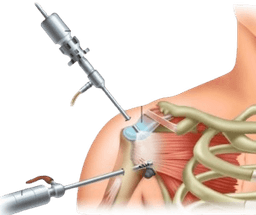
Shoulder arthroscopy is a surgery that is performed with small incisions. Specifically, an arthroscope is a thin-like tube device used to diagnose and treat inside the shoulder joint issues. Shoulder arthroscopy is an outpatient procedure, which means the discharge from the hospital will be given on the same day. Furthermore, this is a minimally invasive surgery that treats shoulder issues. In most cases, arthroscopy surgery is recommended for rotator cuff tears or shoulder impingement. -br The surgeon uses a tiny camera attached with a thin tube called an arthroscope, and since it is very thin, it needs a very small incision to get inserted. Consequently, this camera helps to look at the inside view of the shoulder joint on the monitor screen. Moreover, the surgeon will look at the images provided by the arthroscope to get the exact place of injury or source of injury. Additionally, it helps to repair and treat the damage or injury caused to the shoulder.

Orthopedic Surgery
Carpal Tunnel Release Open or Endoscopic-CTR
Endoscopic surgery is a procedure performed using a thin tube with an attached camera, known as an endoscope. This endoscope is inserted through a small incision in the wrist. Following either the single-portal technique or the two-portal technique, where incisions are made at both the wrist and the palm. As a result, the endoscope allows for a clear view of the structures in the wrist, such as the transverse carpal ligament, without the need to open the entire area. -br Moreover, the equipment used for endoscopic surgery is very small. These instruments are inserted through small incisions in the wrist or the wrist-palm area, ensuring minimal invasiveness. In the single-portal technique, a single small tube holds both the camera and the cutting tool, making the procedure more efficient. -br During Carpal Tunnel Release Endoscopic (CTR) surgery, the transverse carpal ligament is cut. Consequently, this releases the pressure on the median nerve and effectively relieves carpal tunnel syndrome. -br Finally, after the procedure, the incisions are closed with stitches, allowing for proper healing. -br The Carpal Tunnel Release Endoscopic (CTR) surgery is offered in the best orthopaedic hospitals in India.

Orthopedic Surgery
Knee Meniscectomy
Knee Meniscectomy is a surgical method of removing a torn meniscus. Specifically, this is a type of arthroscopic knee surgery. The knee meniscus acts as a cushion for the knee, helping balance the body weight and keep the knee steady. Notably, one of the most common issues is meniscus tears, which are mostly caused by sudden twisting or turning of the knee joint.

Orthopedic Surgery
PatelloFemoral Replacement
Patellofemoral replacement is another form of partial knee replacement, where only a specific area of the knee is resurfaced. Moreover, this surgery is an option for patients who have damage or injury under the kneecap and the groove in the thigh bone where the kneecap moves. This condition is also known as patellofemoral arthritis. -br Furthermore, this surgery can be performed using small incisions, which is beneficial as it does not affect or damage the soft tissues in the knee. Additionally, small incisions allow patients to recover quickly and return to their normal lives.

Orthopedic Surgery
Total Hip Replacement
Total Hip replacement, also known as hip arthroplasty, is a surgical intervention that treats hip pain. In this process, the surgical procedure involves the replacement of parts of the natural hip joint with an artificial implant. The hip joint is made of a ball (present at the top of the femur, also known as the thigh bone) and a socket (present in the pelvis, known as the hip bone). Therefore, hip replacement surgery involves the removal of both or a single part. The main aim of the hip replacement procedure is to relieve severe pain so that one can resume daily activities. To achieve this, the replacement of the parts is done with an artificial implant called a prosthesis. -br The hip replacement surgery is mostly recommended to adults older than 50. Additionally, top orthopedic surgeons in India recommend hip replacement surgery if the pain and other symptoms have lost the ability to walk, stand, or move.

Orthopedic Surgery
Bilateral Hip Replacement Surgery
Bilateral Hip Replacement Surgery is a complete surgery that replaces both hips at the same time. When a patient has problems in both hips, doctors perform bilateral hip replacement surgery. This procedure is also known as a simultaneous total hip arthroplasty. -br One of the key benefits of bilateral hip replacement surgery is that a single procedure is sufficient to replace both hips, and anesthesia is administered only once. Moreover, patients typically require less time to recover compared to having the surgeries done separately. -br Replacement surgery involves placing artificial components in the same location where the natural components were previously situated. This surgery is performed for various reasons, such as damage caused by arthritis, osteogenesis, bone fractures, or other bone diseases. -br Bilateral hip replacement surgery is the medical term used for the replacement of both hips in a single surgery with artificial joints or components. The surgery takes place when a patient is suffering from severe pain or loss of mobility in the hips. Some of the causes include arthritis, childhood hip problems, or other bone fractures. -br Additionally, Bilateral hip replacement hospitals in India are popular for their high success rate. After a successful hip replacement, people can regain their energy, walk independently, and live without pain or discomfort.

Orthopedic Surgery
High-Flex Knee Replacement
High-flex knee replacement is a surgical procedure that, as a result, helps to lead a better life with that same flexibility in the knee. Moreover, a high flex knee is crafted to lodge the rebeginning of deep knee bending activities. -br Furthermore, osteoarthritis patients face knee pain during regular activities. For patients like them, total knee replacement is, therefore, the most ideal treatment. -br In the process, initial diagnosis, flexibility before the surgery, and necessary physical therapy can, in turn, lead to better results. -br Typically, knee replacement surgery is crafted to accommodate flexibility up to 125 degrees only. However, with high flex knee replacement, it can bend up to 155 degrees. Consequently, this procedure helps to bend the knee for recreational purposes and day-to-day activities.

Orthopedic Surgery
Lateral Retinacular Release Surgery
The lateral retinacular release surgery is a surgical procedure performed to realign the kneecap. This procedure involves the cutting of the tightened ligaments that are seen on the outside of the knee. This step helps to reduce the outward pull, which involves the kneecap realigning in its groove and replacing its normal location. -br Furthermore, it is a minimally invasive procedure that works with fewer complications and risks.

Orthopedic Surgery
Palmar Fasciectomy
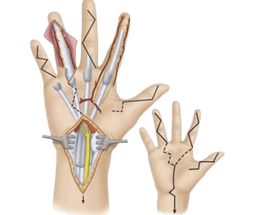
A Palmar Fasciectomy is a surgical procedure that removes complete or some parts of the palmar fascia. Moreover, the palmar fascia is a very thin layer of connective tissue in the hands. It is a kind of triangle shape and is at the bottom of the skin on the fingers and palm of the hands. -br Furthermore, the palmar skin is disclosed once the surgeon cleans the skin and makes an incision. Before removing the diseased or damaged tissues, the doctor first clears the nearby tendons.
Orthopedic Surgery
Thumb Arthroplasty
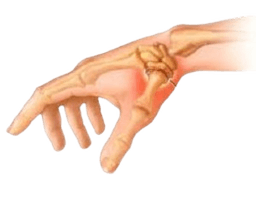
Thumb arthroplasty is a surgical procedure that involves the treatment of arthritis affecting the joint at the base of the thumb. The carpometacarpal joint, located at the base, allows the thumb a wide range of motion, such as up, down, and across the palm. In addition, this joint enables the ability to pinch with the help of other fingers. -br Thumb arthritis is a kind of osteoarthritis that occurs at the carpometacarpal joint, which is located at the base of the thumb. Therefore, the arthroplasty procedure helps to regain mobility and function of the thumb. Typically, thumb arthritis cannot be treated through non-surgical treatments. Arthritis is a condition that initially causes symptoms like pain, swelling, or loss of function, but it may worsen over time if non-surgical options fail to relieve pain. As a result, thumb arthroplasty is needed.

Orthopedic Surgery
Capsular Shift Procedure
The capsular shift procedure is performed to tighten the shoulder joint capsule. There are various types of shoulder operations that help stabilize the shoulder's stability. -br There are two ways to perform the surgery: one is with an arthroscope, and the other is open surgery. Moreover, the choice of surgery depends on the type of injury and the patient’s condition. The top orthopedic surgeons in India will determine which surgery is needed accordingly. -br Shoulder arthroscopy is a minimally invasive surgical approach that helps in quick recovery. This technique allows surgeons to get a clear view of the shoulder, and in some cases, the injury can be treated directly through arthroscopy. -br Additionally, the shoulder consists of three joints:

Orthopedic Surgery
Orthopedic Stem Cell
Orthopedic Stem cells are raw, original cells used in regenerative medicine. These cells play a crucial role in repairing and regenerating musculoskeletal tissues, including bones, cartilage, tendons, ligaments, and muscles. They serve as the building blocks of cells. -br As certain cells grow, they lose their ability to heal and replicate tissue, especially in individuals with specific diseases. However, stem cells possess a unique ability to regenerate and repair damaged tissues. They have the potential to heal on their own as they grow and mature.

Orthopedic Surgery
Shoulder Replacement Surgery
The shoulder is one of the most important parts of the human body. If it is causing any pain, it can be a huge problem for day-to-day life. Shoulder replacement surgery is a procedure that removes a damaged or dysfunctional part of the shoulder joint and replaces it with an artificial joint called a prosthesis. Some of the common reasons for shoulder replacement surgery are rotator cuff tear, osteoarthritis, avascular necrosis, or rheumatoid arthritis. The replacement surgery relieves severe pain, enhances motion, and improves the ability to move the arms and shoulder.

Orthopedic Surgery
Birmingham Hip Resurfacing Surgery
Hip consists of two parts, known as the ball and socket joint. The Birmingham Hip Resurfacing surgery is a traditional method to replace the joint, in which the moving part should be replaced with metal. In this procedure, the traditional surgery is the replacement of the surface of the femoral head, called the ball, and the acetabulum, called the socket. Furthermore, it also focuses on protecting the bone with the leftover femur, including the neck. -br It was first implanted in the year 1997. Since its innovation, around 190,000 BHR implementations have been successfully completed worldwide. Moreover, BHR is also the only longer-serving hip resurfacing device.

Orthopedic Surgery
Elbow Arthroscopy
Elbow surgery is a surgical procedure performed on the bones or soft tissue in the elbow joint. Surgery is performed to repair injury or pain that is unable to be treated with alternative medicines. -br Top orthopedic surgeons in India perform surgical intervention for the elbow joint. A minimally invasive procedure, such as arthroscopy, is used to treat injured, damaged, and chronic pain in the elbow joint. -br One of the main aims of fixing the elbow injury with arthroscopy is that it gives less scarring and helps in quick recovery.

Orthopedic Surgery
Knee Arthroscopy
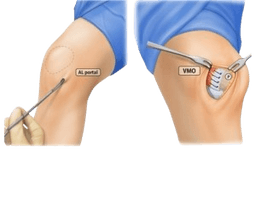
Knee arthroscopy is a minimally invasive surgical procedure that effectively treats knee injuries. In this procedure, an arthroscope, which is a thin and flexible tube attached with a camera at the end, is used to get clear visuals on the monitor screen. As a result, surgeries performed with arthroscopy are less invasive since doctors make a small incision to insert the tube, which helps diagnose knee injuries. Moreover, the camera attached to the tube captures images, which are then displayed on a monitor screen. Notably, the incision made by the doctor to insert the arthroscope is as small as the size of a keyhole, making it a highly precise and efficient procedure.

Orthopedic Surgery
Knee Replacement Surgery
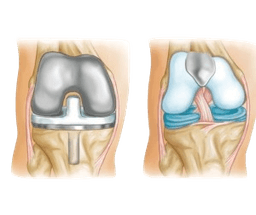
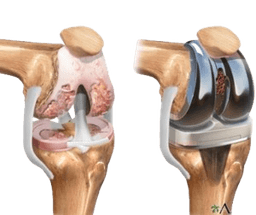
Knee replacement surgery is a procedure that treats damaged bone or injured cartilage, and joint with a replacement of an artificial joint. The replacement takes place for some knee joints or all knee joints. In fact, almost a year is needed for complete recovery. Knee replacement is also known as arthroplasty. -br Essentially, this is the procedure of removing the natural knee joint, i.e., which is somehow damaged, and it is replaced with an artificial (prosthesis) joint that is made of metal or plastic material.

Orthopedic Surgery
Open Reduction of Fracture
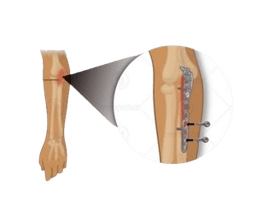
Open reduction of fracture is a surgical procedure that involves fixing or repairing fractured bones. In this procedure, the realignment of fractured bones is carefully performed. -br The main aim of this surgery is to reposition misaligned or displaced bone joints. This can be achieved using various techniques, such as the traditional method of surgery or advanced techniques like minimally invasive procedures. Ultimately, the primary goal of this surgery is to realign the broken bone or reposition the bones into their normal anatomical position. -br Before proceeding with the treatment, top orthopedic surgeons in India will first analyze the severity of the condition. After a complete evaluation, the doctor will then recommend whether the patient requires an open reduction or a closed reduction.

Orthopedic Surgery
Septic Arthritis
Septic arthritis is an uncommon yet serious condition that can severely affect the joints. It is also termed infectious arthritis, as it occurs when an infection spreads to one or more joints, leading to inflammation. -br Moreover, this inflammation affects the connective tissue that lines the surface of the cartilage covering the joint, as well as the synovial fluid that lubricates it. The infection can be caused by bacteria, fungi, or viruses, which typically originate from other parts of the body and spread to the joint through the bloodstream. -br Additionally, larger joints like the hip and knee are most commonly affected. However, septic arthritis may also spread to the ankle or shoulder joints. -br Arthritis can treat various types of joint inflammation. Some of the common type of arthritis include:

Orthopedic Surgery
Slipped Capital Femoral Epiphysis-SCFE
Slipped capital femoral epiphysis (SCFE) is a condition that hits in a growing age in teens or pre-teens. The cause of this condition is not very clear, the ball at the head of the femur (thighbone) slips off the alignment of the bone in the opposite or backward direction. This condition can lead to severe pain, stiffness, instability in the hip that is affected. The condition slowly takes place with time. -br SCFE can be affected due to poor fit of their hip socket and this can also affect the walk. -br Adolescent age is the age where bone growth occurs in all manners. Long bones develop new tissue from a later at the neck of each rounded end called growth plate. Growth of new bones starts as cartilage before it becomes hard bone, this makes the layer softer and weaker as compared to other bones. -br Weight and growth are two important factors that make the slipped capital femoral epiphysis more credible. -br SCFE may be the reason for limping or pain in the bone from hip to knee. -br This does not develop suddenly, it develops gradually and with no sign of injury. It first hit one hip and later the other one.

Orthopedic Surgery
Acromioclavicular Joint Repair
The acromioclavicular (AC) joint repair is useful in providing both motion and stability to the shoulder. However, in the condition of severe injury or damage to the joint, only the AC joint serves as the option to restore function and stability back. Specifically, the AC joint is located at the upper point of the shoulder blade, where the collarbone meets. Moreover, it is a kind of synovial joint, which is a bundle of bone connected by ligaments that helps to slide and shift.

Orthopedic Surgery
Internal Fixation of Fractures
Internal fixation of fractures is a surgical procedure that, therefore, allows the surgical implantation of artificial components for repairing a bone. Moreover, top orthopedic surgeons in India set and stabilize the fractured bone from inside the body. This procedure is, in fact, known as internal fixation. -br In the early period, doctors used splints and casts to support the broken bone from outside the body. However, as medical science is developing rapidly, the sterile invention helps in surgical procedures and, additionally, has a lower risk of infection. -br Before setting up the fixation of the broken bone, the bones are, first, aligned into their original position. After that, the implants and bones are held together with special components such as plates, screws, nails, and wires.

Orthopedic Surgery
Paget's Disease
Paget’s disease is one of the rare chronic bone diseases. Notably, this disease is mostly seen after aging and is rare in people under the age of 50. Moreover, it involves severe breakdown and regrowth in the affected bone. -br Specifically, this is a process where the body breaks down old bone and forms new bone. Consequently, individuals with Paget’s disease of the bone are more prone to fractures. Additionally, this disease is one of the reasons that can lead to arthritis. -br Furthermore, there is no evidence of a specifically targeted area, as Paget’s disease can affect any bone. However, some of the most affected areas are the pelvis, skull, spine, and leg bones. Moreover, Paget’s disease can impact a single bone or, in some cases, affect multiple bones at the same time.

Orthopedic Surgery
Posterior Lumbar Interbody Fusion-PLIF
Posterior lumbar interbody fusion (PLIF) surgery involves inserting artificial elements like grafts, cages, screws, and rods and removing the damaged discs that cause pain. These elements help to stabilize the spine and aid fusion. Moreover, this surgery aims to treat severe lower back pain. This happens when the intervertebral disc puts pressure on the spinal nerves. Additionally, grafts help to join the vertebrae. -br The main cause of leg pain and lower back pain is when the intervertebral disc disconnects from the vertebrae or is damaged or worn out. Consequently, this can create pain. These discs put pressure on the spinal nerve and cause pain.

Orthopedic Surgery
Shoulder Labral Tear Surgery
The shoulder labrum tear is a rubbery cartilage that shapes like a cup and lines the ball and socket joint of the shoulder. Specifically, the shoulder joint is made up of the glenoid, and the head of the upper arm bone is known as the humerus. Moreover, the labrum is the connected place for the shoulder ligaments and supports the ball and socket joint with rotator cuff tendons and muscles. As a result, this leads to shoulder stability, and when torn, it can result in partial or complete shoulder dislocation. -br This surgery is performed using an arthroscopic approach and involves small incisions. This procedure involves less pain, faster recovery and less scarring. Thi surgery is an outpatient surgery so the patient can go home on the same day.

Orthopedic Surgery
ACL Reconstruction
ACL Reconstruction is a surgical procedure to repair and reconstruct the ligament in the center point of the knee. Specifically, the Anterior Cruciate Ligament (ACL) links the shin bone to the thigh bone. This procedure is typically followed after the ACL is torn, which mostly results from sports injuries or trauma. -br ACL Reconstruction in India is designed to graft a replacement of the ACL located in the knee, which helps to restore mobility and function after an injury. Additionally, an arthroscopic procedure ensures the preservation of the ligaments or the removal of the ligament after the injury. Furthermore, instead of removing the ligament, ACL Repair is also an option.

Orthopedic Surgery
Arthroscopic Meniscectomy
An Arthroscopic Meniscectomy is a surgical procedure that specifically treats a damaged or injured meniscus. Now, let's understand what a meniscus is. A meniscus is a formation of cartilage that helps to function the knee well. In each knee, there are two of them:

Orthopedic Surgery
High Tibial Osteotomy
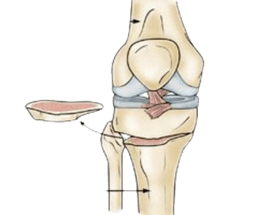
High Tibial Osteotomy (HTO) is a surgical procedure that, therefore, allows cutting and realigning the tibia to precisely arrange the joints and treat knee joint issues. Patients of young age suffering from osteoarthritis can, as a result, be recommended for this treatment. -br The main goal of the HTO surgery is, in fact, to provide relief from severe knee joint pain and improve the function and mobility of the affected knee by repositioning the tibia, ensuring that the weight is equally divided across the joint. This, in turn, helps lower the stress level caused by damaged cartilage and can also be used to extend the need for a total knee replacement. -br High tibial osteotomy in India helps in preventing the need for partial or total knee replacement, or this can help in delaying these symptoms. -br Furthermore, high tibial osteotomy knee surgery is involved in treating medial, unicompartmental osteoarthritis of the knee or malalignment of bones that develops in the knee.helps in preventing the need for partial or total knee replacement, or this can help in delaying these symptoms.

Orthopedic Surgery
Arthrolysis
Arthrolysis is surgery performed by the best orthopedic surgeons in India to treat minor damage to the joints. Furthermore, the surgery is recommended to remove and repair small damage to the joint. This, in turn, helps to enhance the mobility of the joint. Additionally, it improves the overall function of the joint once again. The surgery is also helpful in removing adhesions or tiny growths of bone, known as outgrowths, which are addressed during arthrolysis. -br Joints are a combination of two bones, and they only work smoothly when there is no interruption in between, or if no other bone is stuck between them. To function properly, it is important that the joints work together within a good range of motion. Some of the causes of dysfunction of the joints include:

Orthopedic Surgery
Limb Reconstruction Surgery
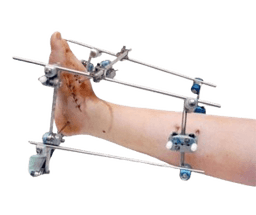
Limb Reconstruction Surgery is a procedure that treats the wrong shape or length of the limb. Also, the problem in the function is affected by the same. Moreover, limb reconstruction surgery treats a variety of issues with advanced techniques to maintain the length, shape, and function of a limb. In addition, realigning of bones or placing the bones at the correct place and stabilizing the joints is one of the important functions of limb reconstruction in India. -br Similarly, deformity of joints means when the joints have an irregular shape due to a problem with the joint. A deformity can be congenital or may arise later. -br Furthermore, limb reconstruction surgery in India involves the treatment of fibula hemimelia, congenital short femur, and congenital tibial pseudarthrosis. Additionally, patients who suffered from broken bones or bone infections caused due to trauma that impacted the growth of the bone can benefit from this procedure. Likewise, patients with bone dysplasia such as achondroplasia or fibrous dysplasia can also undergo this treatment.

Orthopedic Surgery
Posterior Cruciate Ligament Reconstruction-PCL
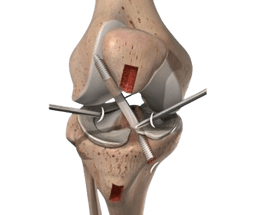
Posterior cruciate ligament (PCL) reconstruction is a surgical procedure to reconstruct a torn posterior cruciate ligament (PCL) in the knee. PCL tears can occur due to trauma, such as car or bike accidents, or from suddenly falling on the knee. Additionally, common sports injuries often cause severe pain and problems in the function of the knee. -br PCL reconstruction surgery in India is performed with knee arthroscopy. Specifically, this is a minimally invasive technique in which surgeons use small incisions to perform the surgery. These incisions are made around the knee joint. Then, a thin fiber optic scope is inserted through the incisions. This scope, known as an arthroscope, is useful for exploring the condition of the knee. Furthermore, this arthroscopy helps in removing the damaged cartilage and replacing it with an artificial prosthesis called a graft. Next, tunnels are inserted into the femur and tibia that exactly fit the graft. Finally, this graft is fixed with screws and fixation devices.

Orthopedic Surgery
Synovectomy of Hand
A synovectomy of the hand is a surgical procedure performed to treat synovitis and other problems that have affected the synovium. In this surgical procedure, a part of the synovium is removed. There are various causes of arthritis; however, painful and swollen joints are typically associated with inflammatory arthritis. The sudden cause of pain and swelling is usually inflammation and the excessive growth of synovium. -br A normal synovium is usually thick with one or two layers and develops synovial fluid that helps to lubricate the joint. However, in the case of bulky growth of synovium, it produces excessive synovial fluid, which contains an enzyme that, in large quantities, wears away at the articular cartilage on the joint surface. -br As a result, the loss of cartilage leads to joint damage and also causes stiffness and pain. In patients with inflammatory arthritis, the high growth of synovium is considered a type of abnormal immune response. -br Therefore, this surgical procedure helps to relieve pain, reduce swelling, and improve hand function.
Orthopedic Surgery
Trigger Point Injection
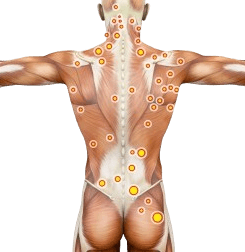
A trigger point injection helps in relieving myofascial pain that mostly hits the neck, shoulder, arms, legs, and lower back. Specifically, trigger point injection is a procedure to treat painful muscle areas that contain trigger points or knots that develop when the muscles do not relax. In other words, trigger points are knots developed in the muscle that can be quickly responsive to touch or pressure. These trigger points may become active after trauma or by repetitive microtrauma, which results in stress or muscle fibers. In fact, it can be felt while rubbing the muscle. As a result, it may cause the muscle fiber to be stuck in a contracted state. -br Trigger point injections are mostly injections of local anesthesia with or without corticosteroid, botulinum toxin, or sometimes dry needling, which is without any injection substance.

Orthopedic Surgery
Hip Replacement Surgery
Hip replacement surgery is a procedure that treats persistent hip pain by replacing the damaged hip. This surgery, also known as hip arthroplasty, involves removing the natural hip that is damaged and replacing it with an artificial hip implant. The hip consists of a ball and a socket, where the ball is also known as the thigh bone, and the socket is formerly referred to as the hip bone. Typically, hip replacement surgery in India involves replacing one or, in some cases, both parts of the hip. Ultimately, the primary goal of the procedure is to eliminate pain and enable patients to resume their daily activities.

Orthopedic Surgery
Acetabular Fixation
An acetabular fracture is a break or gap in the socket portion of the ball-and-socket joint. Although acetabular fractures are rare, they are not as common as fractures of the upper femur or femoral head. These fractures typically occur due to accidents, such as bike collisions, falling from a height (like jumping off a roof), or other traumatic injuries, which require immediate medical attention. -br Treatment for Acetabular Fixation in India usually involves surgery to restore the normal anatomy of the hip joint. Also stabilize it, returning it to its pre-injury state. Acetabular fractures can also occur in older adults who fall while standing, as their bones are weaker compared to those of younger individuals. In such cases, it is considered a low-energy injury, particularly in people suffering from osteoporosis.

Orthopedic Surgery
Knee Osteotomy
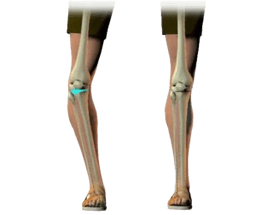
A knee osteotomy is a surgical procedure involving bone cutting in order to realign and reshape the bones and joints. Typically, this surgery is performed at the area where two bones meet. -br Osteotomy is a procedure that involves cutting of the bones. Specifically, knee osteotomy is performed at the tibia, which is also known as the shinbone, or the femur, which refers to the thigh bone. During the procedure, the bones are cut off so as to reshape and realign them, thereby relieving pressure on one place of the knee joint. -br Knee osteotomy in India is recommended especially at the initial stage of osteoarthritis, when one side of the knee joint is damaged. By strategically moving the weight away from the damaged side, osteotomy helps not only in alleviating pain but also in improving function in an arthritic knee.

Orthopedic Surgery
Osteoarthritis- Stem cell
Osteoarthritis is a condition that occurs due to pain in joints. Some of the major hitting joints of osteoarthritis are the spine, hip, knee, hand, and foot. Consequently, osteoarthritis can cause problems in the area of joints where a person feels discomfort and pain while doing movements. For instance, climbing the stairs, walking, or even combing hair can become a big task. In simple terms, wear and tear of the cartilage joints can explain arthritis. -br This condition mostly hits older people; however, sometimes, some young people also suffer from it, especially those who had some kind of injury to the joint or damage to the cartilage. In addition, genetics and obesity can also be reasons for arthritis. -br Moreover, osteoarthritis is mainly caused due to aging. As the body grows in the last stage, the liquid content of the cartilage develops, and the protein of cartilage decreases. As a result, the constant use of joints or overuse over the years inflames the bones. This can also cause joint pain and swelling. Over time, cartilage begins to inflame. In some cases, a complete loss of the cartilage cushion can also happen between the bones. Consequently, friction between the bones occurs due to the loss of the cartilage cushion, leading to pain and limited mobility. -br Therefore, osteoarthritis stem cell treatment in India is a helpful method to regain joint mobility and functions.

Orthopedic Surgery
Revision Knee Replacement
Revision total knee replacement is a surgery that repairs or replaces a damaged or failed knee prosthesis with a new prosthesis. In simpler terms, it is a replacement of total knee replacement, meaning a second knee replacement surgery. The surgery, therefore, serves as a second procedure that addresses the issues arising from the primary knee replacement surgery. Moreover, knee revision surgery is a complex procedure that requires careful planning, specialized implants and elements, as well as the experience of top orthopedic surgeons to achieve better outcomes.

Orthopedic Surgery
Tendon repair Surgery-Flexor Extensor
Flexor tendons are detected on the palm side of the hand. As a result, this is helpful in bending the fingers, allowing the hands to hold objects and perform twisted hand movements. Moreover, these tendons work through a layer of sheath, which allows smooth gliding motion. Therefore, tendon repair surgery becomes compulsory once the flexor or extensor tendons support significant damage, such as lacerations, ruptures, or avulsion. In fact, some of the most common causes include injuries, accidents, and trauma.

Orthopedic Surgery
Tibial Tubercle Transfer Patellofemoral Arthritis
Tibial tubercle transfer is a surgical treatment that treats instability, arthritis, or cartilage defects and, in addition, affects the patellofemoral joint, also known as bony realignment or osteotomy. The surgical procedure involves removing a small part of bone where the patella tendon is, and then repositioning or transferring it to a point on the tibia (shinbone) to treat the underlying issues.

Orthopedic Surgery
Amputation- Below Knee
The main aim of amputation below - knee is to remove the damaged tissue. It is harmful to health and to save the remaining leg, which can be useful and less painful in the future. -br In India, the best orthopedic surgeons perform amputation surgery to achieve better results, alleviate the patient’s pain, and restore the function of the leg. Below-knee amputation is performed when other treatments do not work effectively, and it is considered the last resort. Moreover, it helps the patient by preventing the infection from spreading to other parts of the body. Below-knee amputation in India is performed at the best orthopedic hospitals. It involves the removal of the foot and ankle. After removing these parts, an artificial leg is attached to the thigh, enabling the patient to walk independently. This procedure is carried out for various reasons, which will be discussed here.

Orthopedic Surgery
Arthrodesis
Arthrodesis is a procedure that joins two bones together to relieve pain. This surgery is also termed as fusion surgery because it involves the fusion of two bones. It is recommended in the following conditions:

Orthopedic Surgery
Minimally Invasive Hip Resurfacing
Minimally invasive hip resurfacing is a surgical approach that helps in reshaping and capping with a metal component via small and fewer incisions. Moreover, this minimally invasive surgery helps preserve natural bone. -br The hip bears a lot of the body's weight. The hip joint involves two parts called the ball and socket joint. Specifically, the ball, known as the femoral head of the thigh bone, fits into the pelvic bone's socket. -br Minimally invasive Hip Resurfacing surgery in India is a procedure that treats damaged or injured hip bones by resurfacing the hip. This is a less invasive procedure that involves a few incisions to remove the damaged parts of the femoral head. Additionally, the removal of the socket and its replacement with metal caps is also a part of the surgery. -br Unlike hip replacement surgery, which allows the complete replacement of the hip joint, hip resurfacing protects the natural bone structure.

Orthopedic Surgery
Repair of Digital Nerves
Repair of digital nerves is a microsurgical procedure performed to rejoin the severe ends of a nerve in the hand or finger. This is a complex surgery in which the surgeon carefully matches the nerve fibers and then uses small stitches to sew together the outer layer of tissue, which helps in protecting the nerve. -br Moreover, this repair of the outer cover allows the nerve fibers to function again and gradually grow back to the muscles. Nerve repair helps in restoring sensation and muscle function. In many cases, nerve sensation and function are not completely restored. -br The nerve is divided into two categories:

Orthopedic Surgery
Arthroscopic Debridement Calcium Deposits
Arthroscopic Debridement of Calcium Deposit is a minimally invasive surgical technique used to remove the accumulation of abnormal calcium deposits. The main aim of this surgery, therefore, is to relieve joint pain. This is, in fact, a treatable condition that can significantly reduce pain in the joint. The surgery is performed using a device called an arthroscope, which allows the surgeon to view the inside of the joint. Moreover, the best orthopedic surgeons in India perform this surgery with a keen understanding of how to remove the excess calcium that leads to joint pain.

Orthopedic Surgery
Congenital Pseudarthrosis of the Tibia Surgery-CPT
Congenital Pseudarthrosis of the Tibia (CPT) is a medical condition where the shin bone fractures in toddlers and has not been cured properly. It is generally seen in toddlers before the age of two years. Although it is not a common condition, it is a rare disorder that has been spotted in 1 out of 250,000 children. This condition occurs when a shin bone gets fractured due to minor trauma or happens naturally. -br Moreover, it is rooted in the periosteum, a bone covered with a membrane, which becomes abnormal and creates a hurdle in complete healing. As a result, while the bone has not been cured completely, it remains unstable and becomes flexible instead of solid. Consequently, this leads to instability in the leg and difficulty in functioning.

Orthopedic Surgery
Elbow Replacement Surgery
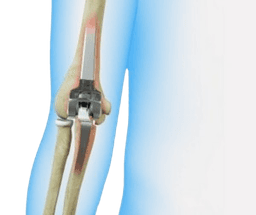
Elbow replacement surgery is a procedure performed to replace the damaged elbow joint. Unlike other joint replacements, it is not as commonly performed. This type of surgery falls under arthroplasty (joint replacement). -br Top orthopedic surgeons in India carry out the procedure by removing the damaged or injured elbow joint and replacing it with an artificial joint known as a prosthesis. Typically, the prosthesis is made of metal and plastic materials, ensuring durability and functionality.

Orthopedic Surgery
Prolapsed Disc
A prolapsed disc, also known as a herniated disc, takes place when the intervertebral disc of the outer fiber is injured and the nucleus pulposus (a soft material) breaks through its surrounding area. -br The burst disc or prolapsed disc can push into the spinal canal, putting pressure on the spinal canal or spinal nerves. -br Herniated discs are common in adults and young people but rarely found in children. This condition develops with growing age; sometimes, it can develop all of a sudden, or sometimes it develops gradually with time over weeks or months. -br A prolapsed disc can cause severe lower back pain. When the disc puts pressure on a nerve root, it can lead to pain in one leg. Symptoms do not develop suddenly; they take time to appear, usually over weeks or even months. -br Non-surgical treatments such as medication and physical therapy can help relieve pain. Spinal manipulation is another treatment that may also be effective. -br This condition, also called a slipped disc, gets its name from two processes:

Orthopedic Surgery
Shoulder Rotator Cuff Repair
Rotator cuff is a combination of muscle and tendons that intact the shoulder in its original position. A rotator cuff is a valuable part of the shoulder. It helps in doing several activities and helps to reach your hand up and lift your arm. In case of an injured rotator cuff, like a tear that suddenly happens by falling on the outstretched hand or may develop due to overuse of the shoulder by time. Shoulder rotator cuff repair may be needed due to aging. -br An injured rotator cuff often needs a surgical approach to repair. Specifically, this repair includes cleaning off the bone spurs that are pinching the shoulder or repairing torn tendons or muscles in the shoulder. Furthermore, this procedure consists of rejoining the tendon to the head of the humerus. Depending on the severity, arthroscopy, open surgical techniques, or sometimes a combination of both can be used to repair a tear of the rotator cuff. Ultimately, the aim of rotator cuff repair surgery is to sustain flexibility and restore the function of the shoulder. Additionally, this procedure helps relieve pain that other non-surgical treatments fail to provide.

Orthopedic Surgery
Ankle Replacement
Ankle Replacement is performed to remove damaged bone or cartilage and replace them with an artificial component or joint in the ankle. Arthritis can create damage to the ankle joint or other joints in the foot. As people age, the smooth cartilage in the bones deteriorates. Consequently, this can lead to pain, swelling, and inflammation in the joints. Ankle Replacement hospitals in India help a person regain function and mobility in the ankle by removing the damaged joint and replacing it with a new artificial joint at the same location.

Orthopedic Surgery
Ganglion Cyst Excision
A ganglion cyst is a non-cancerous lump filled with fluid, commonly found on the wrist, hands, ankles, or feet. These cysts sometimes dissolve naturally, but if they do not, they must be removed through a surgical procedure. While they are not always painful, if a cyst develops on a nerve, it can cause pain. Additionally, the movement of the affected body part may be restricted depending on the cyst's location. Top orthopedic surgeons in India perform ganglion cyst excision and stalk removal to completely eliminate the cyst. However, even after surgery, there is no guarantee that it will not reoccur.

Orthopedic Surgery
Syndactyly (Webbing)
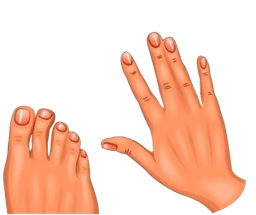
Syndactyly is a medical term that is used for webbed fingers or toes. It's one of the most common birth defects that is seen in the baby's hands and feet by birth. -br This condition is a congenital hand difference known as syndactyly. -br This condition can be diagnosed right after the birth of the baby. -br Syndactyly occurs when the finger of the hand or feet doesn't separate from each other as they should. -br The most common type is simple syndactyly, this is a condition that occurs when the skin and soft tissue connect the digits. The main treatment to separate the webbed toes or fingers is surgery. -br Approximately 1 in 2000 newborn babies have syndactyly condition. In fact, webbed toes are more common than webbed fingers. Some of the children may also experience:

Orthopedic Surgery
Partial Hip Replacement Surgery
Partial hip replacement or Unilateral Hip replacement is a procedure to replace the femoral ball of the hip joint. This joint is replaced with an artificial joint due to damage or bone or cartilage issues. A long metal stem is attached to the artificial part. This metal is inserted into the thigh bone. Over time, natural bone grows around the area. Moreover, this hip replacement allows for the repair of fractures, although it is better if the hip socket is healthy and in functioning condition and healthy. Partial hip replacement is considered a minimally invasive procedure, as it is done with only a few and small incisions. -br Therefore, Partial hip replacement in India is also familiar as unilateral hip replacement.

Orthopedic Surgery
Cemented Total Hip Replacement
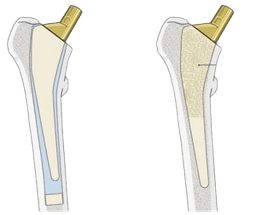
Cemented total hip replacement is a procedure that involves polymethylmethacrylate (PMMA) bone cement to fix the implant area to the bone. Rather than gluing the implant directly to the bone, the bone cement serves to create a grout and secure the implant by interlocking the area between the implant and the bone. -br Understanding How Bone Cement is Made -br Bone cement is a mixture of powder and liquid components. Importantly, the key factor in the mixture is the technique of mixing, which has been refined over decades in order to achieve a strong fixation.

Orthopedic Surgery
Closed Reduction Fracture
The Closed reduction fracture procedure is an alternative to surgery for doctors. While surgery is a procedure that is done only by making an incision, the closed reduction method is a procedure that fixes the broken bone without any surgical cuts or intervention. Additionally, it is a less invasive method. -br This method has many benefits, such as being less painful, reducing the risk of infection, and eliminating the need for anesthesia. Top orthopedic surgeons in India use this technique for closed reduction in cases of less displaced fractures—a condition in which the ends of the broken bone remain aligned. Moreover, the closed reduction procedure is also recommended if open reduction surgery is not a viable option.

Orthopedic Surgery
Latarjet Procedure
The Latarjet procedure is a surgical method that involves the treatment of anterior shoulder instability and follows bone loss. Specifically, the Latarjet procedure allows the osseous stabilization of the shoulder where bone damage occurs after a shoulder dislocation. Through this surgery, the bone loss is repaired while providing a muscle sling at the front. -br Latarjet procedure in India used to treat shoulder instability and dislocation. Additionally, shoulder dislocation can be caused due to loss of bone or fracture of the glenoid. Latarjet helps to restore the stability and function of the shoulder joint.

Orthopedic Surgery
Legg Calve Perthes Disease-LCPD
Legg-Calve-Perthes Disease prevents the end of the femur bone from growing as it actively fits into the hip socket of the child. This means that it can cause the bone to break and then again restore after years. Moreover, this condition has an age limit of 2 to 12. -br It develops when the femur bone, that is the head of the ball in the socket of the hip joint, stops the supply of blood. As a result, this condition can severely affect the tissue, because when the blood supply stops from flowing to the bone, the blood cannot survive for long, and it gradually starts to die. -br After some time, when the blood starts to flow again, it slowly returns to heal. Although, it is not sure that it will take its original shape and size.

Orthopedic Surgery
Minimally Invasive Knee Replacement Surgery
Total knee replacement is a surgical procedure performed to replace the damaged or injured cartilage of the knee. The damaged joint is replaced with an artificial prosthesis. Moreover, implanting the prosthesis helps relieve pain and enhance the mobility and function of the knee. As a result, this procedure helps the patient return to their normal life. -br Minimally invasive knee replacement is performed with small incisions. Additionally, this is a less invasive technique used by top orthopedic surgeons in India. This technique requires very few incisions to view the damaged area. Furthermore, this surgical procedure is beneficial as it causes less pain during surgery and also reduces recovery time. -br Traditional knee replacement surgery is a method performed with larger incisions, and it also takes a long time to recover and heal. Typically, about 8–10 inches of incisions are made to access the surface.

Orthopedic Surgery
Pollicization Surgery
Pollicization surgery is a procedure that is performed to reconstruct and create a functional thumb by using another finger. Mainly the index finger of the same hand, to the thumb location. This surgery is performed when the child has no thumb or when thumb hypoplasia is at a severe stage. -br This surgery is complex because, to create the thumb, the index finger is used, and it gets affected severely. -br A person born with no thumb or having a non-functional thumb, this surgery is performed to create the thumb or to restore the functions of the thumb. The thumb plays an important role in the hand, and having an improper thumb or no thumb at all is a serious impairment.

Orthopedic Surgery
Wrist Joint Replacement (Wrist Arthroplasty)
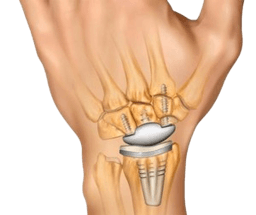
Wrist joint replacement surgery, also called arthroplasty, is performed when there is painful arthritis and when other alternative treatments fail to relieve pain. In this procedure, wrist joint replacement surgery treats the damaged parts of the wrist bones, which are removed and replaced with an artificial implant called a prosthesis. The replacement prosthesis is made of metal or plastic (polyethylene spacer). As a result, this helps the wrist to function normally, and the wrist becomes healthy once again. -br Wrist joint replacement surgery in India is not as common as knee or hip replacement. The wrist joint consists of a combination of small bones and connects the forearm and hand. Additionally, the wrist joint is also known as the radiocarpal joint. -br The wrist helps in moving the hand in various directions, such as bending, straightening, and rotating. Therefore, the wrist is a very useful part of the hand that enables us to grasp, hold, and perform everyday activities like washing, combing, typing, or more. However, in the case of a painful wrist, these activities become difficult to perform. Pain and stiffness make the wrist difficult to use.