
Cardiology
Blalock-Taussig Shunt (BT Shunt)
A Blalock-Taussig shunt is performed in infants or children with congenital heart defects to improve oxygenation by connecting a systemic artery to a pulmonary artery. It serves as a temporary measure before definitive heart repair.

Cardiology
Coronary Angiogram
Coronary angiogram is a diagnostic test that identifies blockages or narrowing in coronary arteries. It’s a cornerstone in evaluating chest pain and coronary artery disease.

Cardiology
Cardiac Resynchronization Therapy (CRT-D Implant)
Cardiac Resynchronization Therapy (CRT-D) combines a pacemaker and defibrillator to regulate the heartbeat. It coordinates the heart’s chambers, improving blood flow and preventing sudden cardiac arrest in patients with advanced heart failure.

Cardiology
ECG - Treadmill Test (TMT)
The ECG Treadmill Test, or TMT, records heart activity during exercise to reveal hidden coronary artery problems. It’s a non-invasive, effective tool for early cardiac assessment.

Cardiology
Electrophysiological Study (EPS)
Electrophysiological Study (EPS) helps identify abnormal heart rhythms by testing the heart’s electrical activity directly. It’s a minimally invasive test used to plan treatments like ablation or pacemaker placement.

Cardiology
Fetal Echo
Fetal Echo (fetal echocardiography) is a specialized ultrasound exam that provides a high-resolution assessment of a fetus’s heart anatomy and function. It identifies structural or rhythm abnormalities before birth so parents and clinicians can plan delivery, postnatal care, or in-utero interventions where appropriate. Early detection improves outcomes by coordinating neonatal cardiac teams and timely therapy.

Cardiology
Glenn Procedure
The Glenn Procedure surgically connects the superior vena cava to the pulmonary artery to direct upper body venous blood straight to the lungs for oxygenation. It is commonly the second-stage palliation for infants with single-ventricle physiology (after a neonatal shunt) and precedes the Fontan operation. The goal is to reduce cyanosis and improve growth and exercise tolerance as the child matures.

Cardiology
Holter Monitoring (24 hours)
Holter Monitoring is a non-invasive ambulatory ECG test that records the heart’s electrical activity continuously for 24 hours (or longer) while the patient goes about normal activities. It detects episodic arrhythmias, pauses, or transient ischemic changes that a standard ECG might miss, helping clinicians tailor therapy accurately.

Cardiology
HVAD (HeartWare Ventricular Assist Device)
The HeartWare Ventricular Assist Device (HVAD) is a compact, implantable mechanical pump that helps the heart circulate blood in patients with severe heart failure. It supports the left ventricle, easing symptoms and improving organ function. HVAD may serve as a bridge to transplant or as long-term support for patients ineligible for heart transplantation.
Cardiology
Hypoplastic Left Heart Syndrome (HLHS)
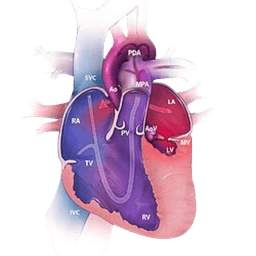
Hypoplastic Left Heart Syndrome (HLHS) is a critical congenital heart defect in which the left ventricle, mitral valve, and aorta are underdeveloped. The condition prevents effective systemic blood flow, requiring urgent intervention after birth. Modern staged surgical approaches — Norwood, Glenn, and Fontan — have transformed outcomes, allowing survival into adulthood with lifelong care.
Cardiology
Pediatric Congestive Heart Failure
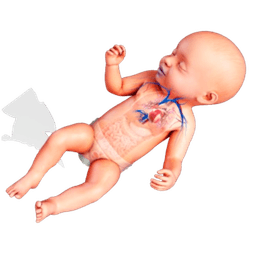
Pediatric Congestive Heart Failure (CHF) occurs when the heart cannot maintain adequate blood flow to meet the metabolic needs of a growing child. It may result from congenital defects, cardiomyopathy, infection, or rhythm disorders. Early diagnosis and treatment help reverse or stabilize heart dysfunction, improving quality of life and development.
Cardiology
Percutaneous Transvenous Mitral Commissurotomy-PTMC
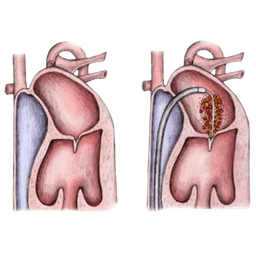
Percutaneous Transvenous Mitral Commissurotomy (PTMC) is a catheter-based procedure used to treat mitral valve stenosis. By inserting a balloon catheter through a vein and inflating it within the mitral valve, the narrowed valve is widened, improving blood flow from the left atrium to the left ventricle. It’s an effective option for patients who may not need open-heart surgery.
Cardiology
Radiofrequency Ablation-RFA
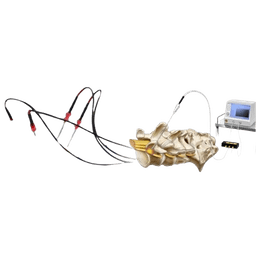
Radiofrequency Ablation (RFA) is a minimally invasive procedure that treats heart rhythm problems by destroying small areas of abnormal heart tissue. It helps restore normal rhythm and is often used when medications fail or cause side effects. The treatment is guided by advanced mapping and imaging technologies for precision.
Cardiology
Radiofrequency Ablation
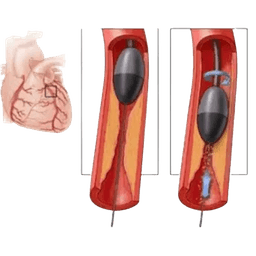
Radiofrequency Ablation is a widely used technique to treat irregular heartbeats. By delivering radio waves through a catheter, it gently removes the tissue causing rhythm disturbance. The goal is to help the heart beat normally without lifelong medication.
Cardiology
Rotablation Guided Stenting
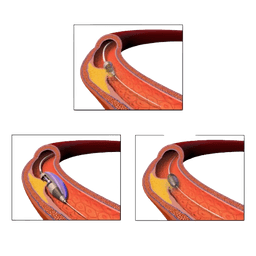
Rotablation-guided stenting is a specialized cardiac procedure designed for patients with heavily calcified coronary arteries. It uses a high-speed rotating burr to break down tough calcium deposits inside the arteries before a stent is implanted. This technique ensures the stent can expand properly, improving blood flow and long-term results in complex heart blockages.
Cardiology
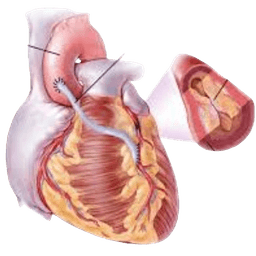
Rotational Atherectomy
Rotational Atherectomy is a minimally invasive cardiac procedure used to treat complex, calcified coronary artery blockages. It uses a high-speed diamond-tipped burr to grind down hard plaque, improving the artery’s flexibility and allowing successful stent implantation. The technique is especially valuable for patients with resistant or rigid lesions.
Cardiology
Thallium Test- Nuclear Stress Test
The Thallium Test, also known as a Nuclear Stress Test, assesses heart blood flow under stress and rest conditions. A small amount of radioactive tracer (thallium or technetium) is injected into the bloodstream. A gamma camera captures images to identify areas of reduced perfusion, helping diagnose coronary artery disease early and accurately.
Cardiology
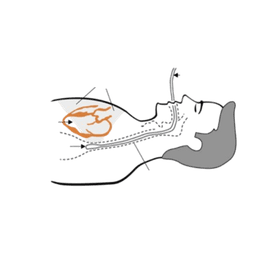
Transoesophageal Echocardiogram
A Transoesophageal Echocardiogram (TEE) is a specialized cardiac ultrasound that uses sound waves to produce detailed images of the heart and its structures. The probe is gently inserted into the oesophagus, which lies close to the heart, offering clearer and more accurate imaging than standard echocardiograms. It helps diagnose valve disorders, clots, infections, and congenital defects.
Cardiology
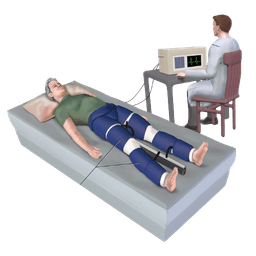
Enhanced External Counterpulsation
Enhanced External Counterpulsation (EECP) is a non-surgical treatment that helps improve blood circulation to the heart. It involves wearing cuffs on the legs that inflate and deflate in sync with the heartbeat. This process boosts oxygen supply to the heart, reduces chest pain, and enhances exercise tolerance, especially in patients with chronic angina or heart failure.
Cardiology
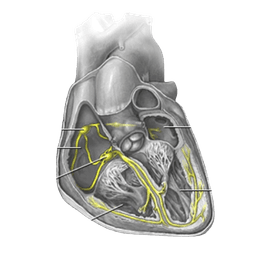
Intracardiac Electrophysiology Study (EPS)
An Intracardiac Electrophysiology Study (EPS) is a specialized test that maps the heart’s electrical activity. It helps identify the source of abnormal heart rhythms (arrhythmias) and determine the best treatment — medication, ablation, or pacemaker implantation. The test involves inserting thin catheters through a vein into the heart for precise electrical measurement.

Cardiology
Nuclear Stress Test
A Nuclear Stress Test uses small amounts of radioactive material and imaging technology to visualize blood flow to the heart muscle. It helps identify areas with poor circulation, damage from a previous heart attack, or narrowing of coronary arteries. The test is performed while exercising or with medicine that simulates stress for those unable to exercise.
