
Urology
Hydrocephalus
Hydrocephalus is the abnormal accumulation of cerebrospinal fluid (CSF) in the brain's ventricles, increasing intracranial pressure. Timely treatment is crucial to prevent neurological damage, and may involve shunt placement or endoscopic procedures to restore normal fluid flow.
Urology
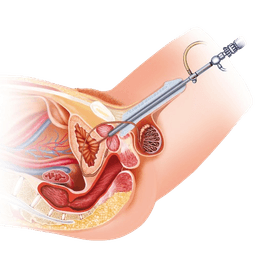
Urethral Stricture Surgery
Urethral stricture is a narrowing of the urethra that can obstruct urine flow and cause urinary tract infections or discomfort. Surgery aims to restore urethral patency and improve urinary function. Procedures may involve minimally invasive techniques, endoscopic dilation, or open urethroplasty depending on the length and location of the stricture.
Urology
Andrology
Andrology is the medical specialty that deals with male reproductive health, sexual function, and urological disorders specific to men. It encompasses evaluation and treatment of male infertility, erectile dysfunction, hormonal disorders, and other conditions affecting male reproductive organs.
Urology
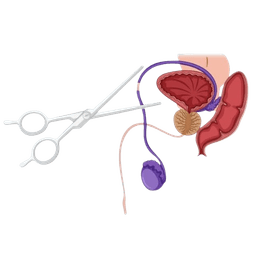
Vasectomy
Vasectomy is a minor surgical procedure for male sterilization, where the vas deferens is cut or sealed to prevent sperm from reaching semen. It is highly effective, safe, and performed under local anesthesia. Vasectomy is considered permanent, though reversal is sometimes possible, and allows men to take control of family planning without affecting sexual function.
Urology
Hydrocele Surgery
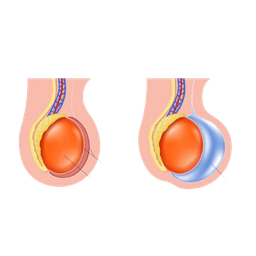
Hydrocele is a condition where fluid accumulates in the sac surrounding the testicle, causing painless swelling. Surgery is usually required if the hydrocele is large, painful, or causing discomfort, restoring normal appearance and function.
Urology
Interstitial Cystitis
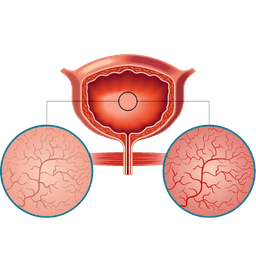
Interstitial Cystitis (IC), also known as painful bladder syndrome, is a chronic condition characterized by bladder pressure, bladder pain, and sometimes pelvic pain. IC can significantly impact quality of life, affecting sleep, work, and daily activities. Though its exact cause is unclear, IC may result from bladder lining defects, autoimmune reactions, or nerve dysfunction. Management includes lifestyle changes, medications, and, in severe cases, surgical intervention to relieve symptoms and improve bladder function.
Urology
Phimosis & Paraphimosis
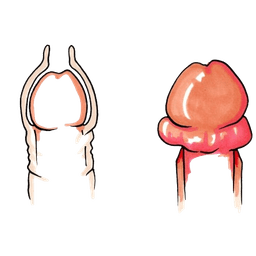
Phimosis is a condition where the foreskin cannot be fully retracted over the glans penis, while paraphimosis occurs when a retracted foreskin becomes trapped behind the glans, causing swelling and pain. Both conditions can lead to urinary problems, infections, and discomfort during sexual activity. Timely diagnosis and intervention are essential to prevent complications and restore normal function.
Urology
Bladder Instillation
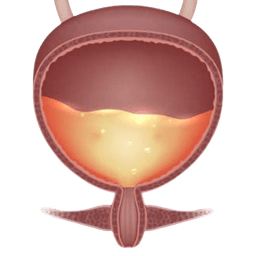
Bladder Instillation is a therapeutic procedure where medication is introduced directly into the bladder via a catheter. It is commonly used for interstitial cystitis, bladder inflammation, recurrent urinary infections, or chemotherapy delivery to treat bladder cancer locally.
Urology
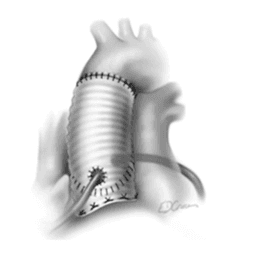
David Procedure
The David Procedure, or valve-sparing aortic root replacement, is a cardiac surgery technique that repairs the aortic valve while preserving its natural structure. It is primarily indicated for patients with aortic root aneurysms or valve dysfunction, avoiding the need for prosthetic valve replacement.
Urology
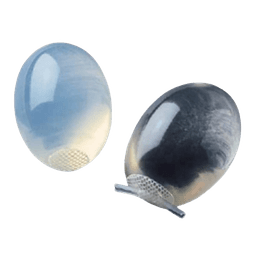
Testicular Implant
Testicular implant surgery involves placing a prosthetic testicle in the scrotum for patients who have lost one or both testicles due to injury, disease, or congenital absence. The procedure restores cosmetic appearance, boosts psychological well-being, and helps patients regain confidence. Modern implants are designed to mimic the size, shape, and feel of a natural testicle, providing safe and reliable results.

Urology
Blade-free LASIK
Blade-free LASIK is a state-of-the-art laser surgery that corrects myopia, hyperopia, and astigmatism without using a surgical blade. This technique creates a corneal flap using a femtosecond laser, providing precise and predictable results while minimizing complications compared to traditional LASIK.
Urology
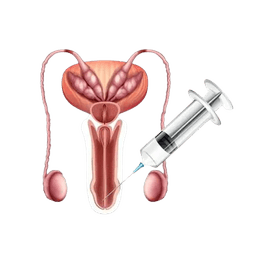
Erectile Dysfunction
Erectile Dysfunction (ED) is the inability to achieve or maintain an erection sufficient for satisfactory sexual performance. Causes may include vascular, hormonal, neurological, or psychological factors, and timely treatment can restore sexual function and confidence.
Urology
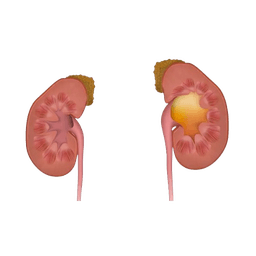
Hydronephrosis
Hydronephrosis is a condition where the kidney swells due to urine accumulation caused by obstruction or reflux. Early treatment is crucial to prevent kidney damage, and options include relieving obstruction through surgery or minimally invasive procedures.
Urology
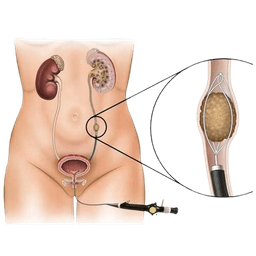
Kidney Stones Removal Surgery
Kidney stones are hard deposits of minerals and salts that form in the kidneys, often causing severe pain, urinary obstruction, and recurrent infections. Surgical removal is required when stones are large, symptomatic, or do not respond to conservative treatment. Techniques such as ureteroscopy, percutaneous nephrolithotomy, or shockwave lithotripsy are used to effectively remove stones and prevent recurrence.
Urology
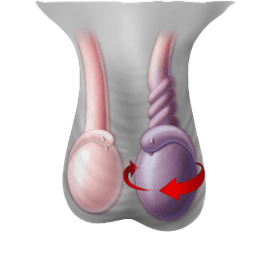
Testicular Torsion Surgery
Testicular torsion occurs when the spermatic cord twists, cutting off blood supply to the testicle. This condition requires immediate surgical intervention to prevent permanent testicular damage. Symptoms include sudden severe scrotal pain, swelling, nausea, and tenderness. Early diagnosis and timely surgery are critical to save testicular function.
Urology
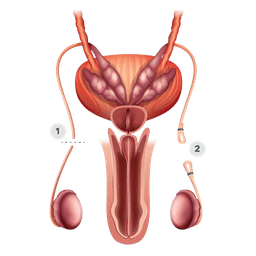
Vasectomy Reversal
Vasectomy reversal is a microsurgical procedure to reconnect the vas deferens, allowing sperm to enter semen and restoring fertility. The procedure is performed under general or local anesthesia using high-precision techniques to maximize success. Timing since original vasectomy and surgical expertise influence outcomes.
Urology
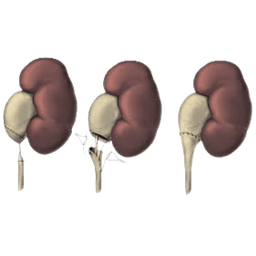
Pyeloplasty
Pyeloplasty is performed to correct ureteropelvic junction (UPJ) obstruction, a condition that blocks urine flow from the kidney to the ureter, causing swelling, pain, and kidney damage. The procedure restores normal urine flow, relieves pain, and prevents long-term renal complications. Both open and minimally invasive techniques, including laparoscopic and robotic surgery, are available for effective results.
Urology
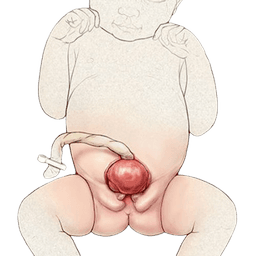
Bladder Extrophy & Epispadias
Bladder Extrophy and Epispadias are rare congenital anomalies where the bladder, urethra, and pelvic structures are malformed. Surgical reconstruction aims to restore urinary continence, bladder capacity, and normal anatomical structure, improving both function and cosmetic appearance.
Urology
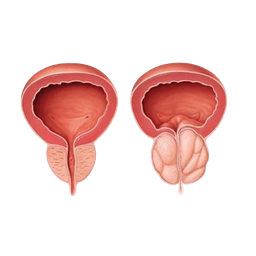
Transurethral Resection of the Prostate-TURP
Transurethral Resection of the Prostate (TURP) is a common surgical treatment for benign prostatic hyperplasia (BPH), a condition where the prostate enlarges and obstructs urine flow. The procedure involves removing excess prostate tissue through the urethra, relieving obstruction and improving urinary symptoms. TURP is considered the gold standard for moderate to severe BPH not responding to medications.
Urology
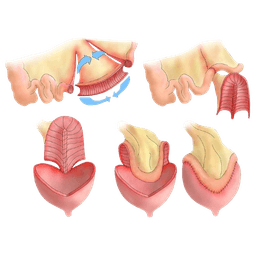
Augmentation Cystoplasty
Augmentation Cystoplasty is a reconstructive urological surgery designed to enlarge a contracted or small bladder, improving its storage capacity and function. It is commonly performed for patients with neurogenic bladder, bladder fibrosis, or severe bladder dysfunction causing urinary frequency, incontinence, or high-pressure urine storage.
Urology
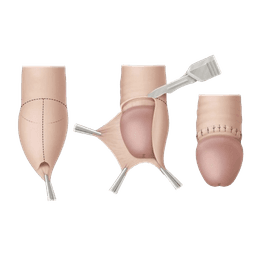
Circumcision
Circumcision is a surgical procedure involving the removal of the foreskin from the penis. It is commonly performed for medical reasons, including recurrent infections, phimosis, or hygiene purposes, and sometimes for cultural or religious considerations.
Urology
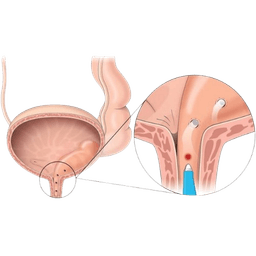
Ureterocele
A ureterocele is a congenital cystic dilation of the distal ureter as it enters the bladder, which can cause urinary obstruction, infections, and kidney damage. Diagnosis typically involves imaging studies such as ultrasound, intravenous urography, or CT scan. Treatment aims to relieve obstruction, prevent infection, and preserve kidney function, often requiring minimally invasive surgical intervention.
Urology
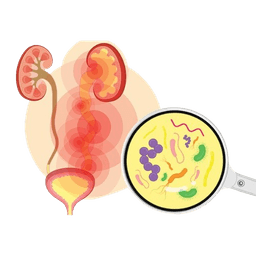
Urinary Tract Infection-UTI
Urinary tract infections (UTIs) occur when bacteria infect any part of the urinary system, including the bladder, urethra, ureters, or kidneys. Symptoms may include burning sensation while urinating, frequent urge to urinate, cloudy urine, and lower abdominal pain. Prompt treatment prevents progression to severe infections like pyelonephritis or sepsis.
Urology
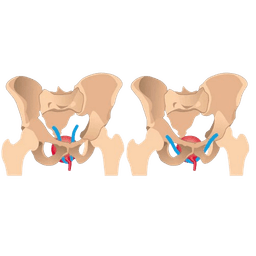
Bladder Slings (TOT & TVT Slings)
Bladder Sling procedures, including TOT (Transobturator Tape) and TVT (Tension-free Vaginal Tape), are minimally invasive surgeries designed to treat stress urinary incontinence in women. These procedures support the urethra and bladder neck, preventing leakage during activities such as coughing, sneezing, or exercising.
Urology
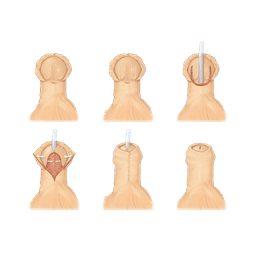
Hypospadias Repair Surgery
Hypospadias is a congenital condition where the urethral opening is located on the underside of the penis rather than at the tip. Surgical repair restores normal urinary function, cosmetic appearance, and reduces complications such as curvature or urinary spraying.
Urology
URSL
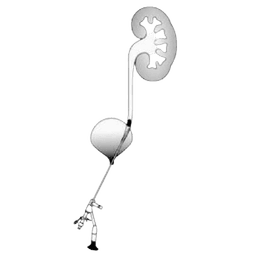
Ureteroscopy with laser lithotripsy (URSL) is a minimally invasive procedure to remove kidney or ureteral stones. A small endoscope is inserted through the urethra into the ureter or kidney, and stones are fragmented using laser energy. This approach avoids open surgery, provides rapid recovery, and reduces complications.
