Overview
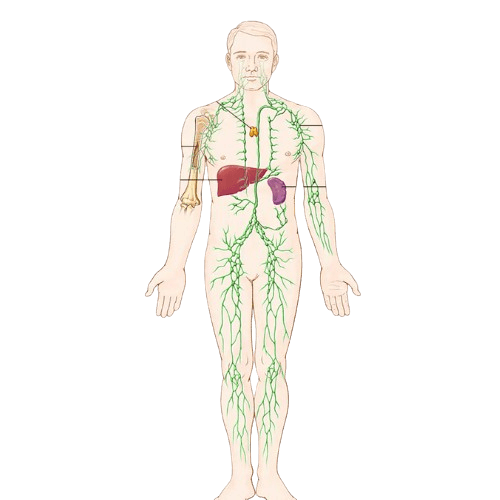
Hodgkin Disease (Hodgkin lymphoma) is a malignancy of lymphatic tissue marked by characteristic Reed–Sternberg cells on biopsy.
It commonly presents with painless lymph node enlargement, systemic symptoms in some patients, and is highly treatable with modern combined chemoradiation and targeted therapies.
Accurate staging and multidisciplinary care are essential to maximise cure and minimise long-term treatment effects.
Overview And Clinical Background
Biology, classification, and clinical relevance
Hodgkin Disease arises from malignant transformation of B-lymphocytes and is classified into classical and nodular lymphocyte-predominant subtypes.
The classical form includes nodular sclerosis, mixed cellularity, lymphocyte-rich and lymphocyte-depleted variants with differing clinical features and prognoses.
- Cellular hallmark: Reed–Sternberg cells (large atypical B cells) seen on histology.
- Classification: Classical vs nodular lymphocyte-predominant subtypes guide treatment.
- Epidemiology: Bimodal age distribution with peaks in young adults and older adults.
Symptoms, Signs And Presentation
Patients often present with painless lymph node enlargement in the neck, supraclavicular area, or axilla.
Systemic 'B symptoms' (fever, night sweats, weight loss) occur in some and influence staging and management.
- Lymphadenopathy: Painless swollen nodes that may be firm and gradually enlarging.
- Systemic symptoms: Intermittent fever, drenching night sweats, and unintentional weight loss.
- Red flag: Rapid node growth, airway compromise, or significant B symptoms require urgent assessment.
Diagnosis Methods And Investigations
Biopsy, imaging and laboratory staging
Definitive diagnosis requires excisional lymph node biopsy with immunohistochemistry.
Staging uses PET-CT, bone marrow evaluation when indicated, and routine labs to plan risk-adapted therapy.
- Tissue diagnosis: Excisional biopsy demonstrating Reed–Sternberg cells and appropriate immunophenotype.
- Staging imaging: PET-CT for whole-body staging and treatment response assessment.
- Baseline tests: CBC, ESR/CRP, liver/renal function and tests for infection (e.g., HIV) to guide therapy.
Treatment Options And Surgical Techniques
Treatment is stage-directed: early-stage disease may be cured with combined short-course chemo and limited radiotherapy, while advanced disease receives multi-agent chemotherapy with targeted agents for refractory disease.
Surgical role is limited to diagnostic biopsy and rare resection for residual disease.
- Chemotherapy: Standard multi-agent regimens (e.g., ABVD or escalated BEACOPP in select cases).
- Radiation therapy: Targeted radiotherapy for involved sites in combined modality protocols.
- Salvage and advanced options: High-dose chemo with autologous stem cell transplant or novel immunotherapies for relapsed/refractory disease.
Recovery, Risks And Prognosis
Many patients achieve long-term remission or cure; prognosis depends on stage, age, and response to initial therapy.
Risks include acute chemo toxicity, fertility impact, cardiopulmonary effects and rare secondary malignancies — survivorship planning addresses these proactively.
Why Choose Us
CureU Healthcare offers multidisciplinary lymphoma care with rapid diagnostic pathways, PET-directed staging, expert chemotherapy administration, and access to transplant and immunotherapy programs.
We prioritise cure while minimising long-term side effects through tailored protocols and survivorship support.
Conclusion
Hodgkin Disease is one of the most curable lymphomas when treated promptly with risk-adapted therapy.
Early referral, accurate staging, and coordinated care at an experienced centre significantly improve outcomes.