Overview
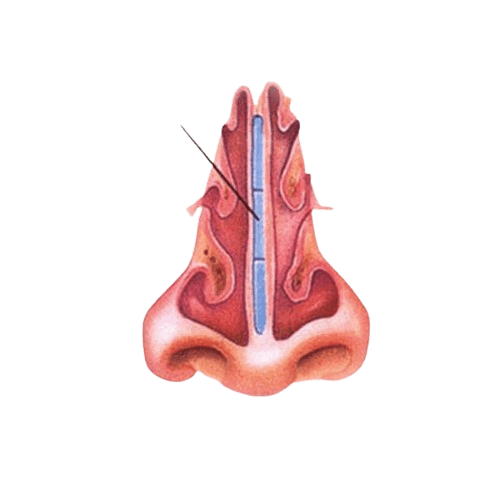
Endoscopic septoplasty is a minimally invasive surgical procedure performed to correct a deviated nasal septum, which is the cartilage and bone that divides the nasal cavity into two nostrils.
A deviated septum can cause chronic nasal blockage, recurrent sinus infections, snoring, nosebleeds, and difficulty breathing, especially during sleep.
Using an endoscope (a thin camera-guided instrument), the surgeon visualizes the nasal cavity with high precision and corrects the deviation while preserving healthy tissue.
Compared to traditional septoplasty, the endoscopic approach offers better visualization, reduced trauma, minimal bleeding, and faster recovery, making it the preferred modern technique in advanced ENT centers.
Overview of Endoscopic Septoplasty
What the procedure involves
Endoscopic septoplasty is performed through the nostrils without external cuts, using a high-definition endoscope for precise correction of the deviated septum. The surgeon repositions or removes the deviated cartilage and bone to restore a straight septum, improving airflow and sinus drainage. This procedure is commonly recommended for patients who do not respond to medications for nasal obstruction or sinusitis. The surgery is usually done under local or general anesthesia and takes about 30 to 60 minutes depending on the complexity of deviation.
- Indication: Chronic nasal obstruction, sinusitis, snoring, and recurrent nosebleeds caused by septal deviation
- Surgical Approach: Endoscope-guided internal nasal approach with no external incisions
- Anesthesia: Can be performed under local or general anesthesia based on patient condition
- Duration: Typically 30 to 60 minutes with same-day discharge in most cases
Benefits and Outcomes
Why endoscopic technique is preferred
The endoscopic technique provides superior visualization of the nasal structures, allowing the surgeon to correct even complex deviations with high precision. This results in better functional outcomes, reduced tissue damage, and faster healing. Patients often experience significant improvement in breathing, reduction in sinus infections, and better sleep quality. Cosmetic changes to the nose are minimal because the procedure focuses on internal correction rather than external reshaping.
- Improved Breathing: Restores normal airflow through the nasal passages
- Reduced Sinus Issues: Enhances sinus drainage and lowers infection recurrence
- Minimal Trauma: Preserves healthy tissue with targeted correction
- Faster Recovery: Shorter downtime compared to conventional septoplasty
Recovery and Aftercare
Healing timeline and precautions
Recovery after endoscopic septoplasty is generally smooth, with most patients returning to normal activities within a week. Mild swelling, nasal congestion, and minor bleeding are common in the first few days. Nasal packing or splints may be placed temporarily to support healing. Patients are advised to avoid heavy exercise, nose blowing, and dusty environments during the initial recovery phase. Follow-up visits are crucial to ensure proper healing and prevent complications such as infection or septal perforation.
- Hospital Stay: Usually day-care surgery with discharge on the same day or next day
- Downtime: 5 to 10 days for routine activities, full healing in a few weeks
- Medications: Antibiotics, pain relievers, and nasal sprays as prescribed
- Follow-Up: Regular ENT check-ups to monitor healing and remove splints if used
Why Choose CureU Healthcare
Advanced ENT care with patient-first approach
CureU Healthcare offers comprehensive ENT surgical care with a strong focus on precision, safety, and patient comfort. Our ENT specialists are highly experienced in endoscopic nasal surgeries and use state-of-the-art equipment for accurate diagnosis and treatment. Each patient receives personalized treatment planning, transparent cost guidance, and continuous postoperative support. Our multidisciplinary care team ensures that patients are educated, reassured, and actively involved in their recovery journey, leading to better outcomes and higher satisfaction.
- Expert ENT Surgeons: Highly trained specialists with extensive experience in endoscopic nasal procedures
- Advanced Technology: High-definition endoscopes and modern surgical instruments for precise correction
- Patient-Centered Care: Personalized treatment plans, counseling, and recovery guidance
- Transparent Process: Clear communication on procedure, risks, costs, and expected outcomes
Conclusion
Endoscopic septoplasty is a safe and effective modern surgical solution for patients suffering from nasal obstruction and complications caused by a deviated septum. By using endoscopic visualization, surgeons can achieve precise correction with minimal tissue damage, resulting in faster recovery and improved quality of life. Patients often report significant relief from breathing difficulty, sinus infections, and sleep disturbances after the procedure. Choosing an experienced ENT center like CureU Healthcare ensures high surgical precision, comprehensive postoperative care, and a patient-focused experience that prioritizes both functional and long-term outcomes. With proper evaluation, skilled surgical execution, and diligent aftercare, endoscopic septoplasty can provide lasting improvement in nasal function and overall respiratory health.