
Overview
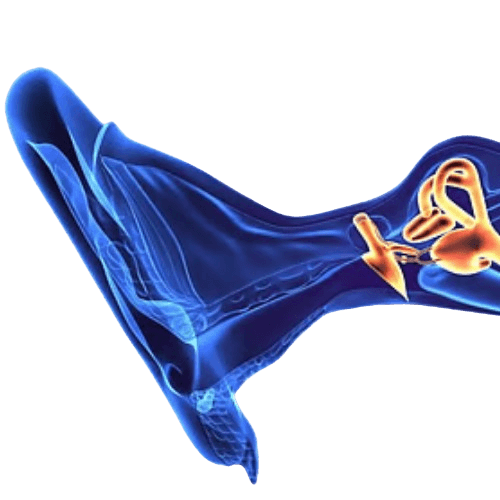
Labyrinthectomy is a specialized surgical procedure performed to treat severe and disabling vertigo that does not respond to medications or conservative treatments. The surgery involves removing or disabling the labyrinth, which is the balance-sensing structure of the inner ear, to eliminate abnormal signals causing dizziness and spinning sensations.
This procedure is typically recommended for patients with severe Ménière’s disease, chronic vertigo, or inner ear damage where hearing is already significantly reduced or lost. By stopping the malfunctioning balance signals, labyrinthectomy can dramatically improve quality of life and restore functional stability.
The surgery is performed by experienced ENT surgeons under general anesthesia and requires careful post-operative rehabilitation to help the brain adapt to the changes in balance. With proper care and vestibular therapy, most patients achieve excellent symptom control and regain confidence in daily activities.
Understanding Labyrinthectomy
What the Procedure Involves
Labyrinthectomy is a definitive surgical intervention designed to eliminate severe vertigo by removing the inner ear’s balance organs. The labyrinth contains structures responsible for detecting motion and balance. When these structures send abnormal signals, patients experience intense dizziness, nausea, and imbalance. This surgery permanently stops those faulty signals, allowing the brain to recalibrate balance using the other ear and visual and proprioceptive cues.
- Surgical Approach: The surgeon accesses the inner ear through the mastoid bone behind the ear and removes or destroys the labyrinthine structures responsible for balance perception.
- Anesthesia: The procedure is performed under general anesthesia to ensure patient comfort and complete immobility during surgery.
- Hearing Impact: Labyrinthectomy results in complete hearing loss in the operated ear, so it is recommended when hearing is already non-functional or severely impaired.
- Hospital Stay: Patients typically stay in the hospital for a few days for monitoring, dizziness management, and early rehabilitation guidance.
Indications and Patient Selection
Who Benefits from This Surgery
Labyrinthectomy is reserved for patients with severe, refractory vertigo that significantly disrupts daily life. It is considered when conservative treatments fail and hearing preservation is not possible or not a priority due to existing hearing loss.
- Ménière’s Disease: Patients with advanced Ménière’s disease who have persistent vertigo attacks despite medication and lifestyle changes.
- Chronic Vestibular Disorders: Individuals with chronic inner ear disorders causing constant dizziness and imbalance.
- Failed Medical Therapy: Patients who do not respond to vestibular suppressants, diuretics, or intratympanic injections.
- Non-Serviceable Hearing: Ideal candidates already have poor or non-functional hearing in the affected ear, making the trade-off acceptable.
Recovery and Rehabilitation
What to Expect After Surgery
Recovery after labyrinthectomy focuses on managing initial dizziness and helping the brain adapt to the loss of balance input from one ear. Vestibular rehabilitation plays a crucial role in restoring stability and preventing long-term imbalance.
- Immediate Post-Op Phase: Patients may experience dizziness, nausea, and imbalance initially, which gradually improves over days to weeks.
- Vestibular Therapy: Specialized exercises help the brain compensate for the loss of inner ear balance function and improve coordination.
- Activity Gradual Return: Most patients can resume light activities within a few weeks and normal routines within a few months with therapy.
- Follow-Up Care: Regular ENT follow-ups ensure proper healing, symptom control, and management of any complications.
Why Choose CureU Healthcare
Expert ENT Care with Patient-Centered Approach
CureU Healthcare provides comprehensive ENT surgical care with a strong focus on patient safety, advanced technology, and holistic recovery. Our ENT specialists are highly experienced in complex inner ear surgeries, including labyrinthectomy, and follow globally recognized protocols to ensure optimal outcomes. We prioritize personalized treatment planning, detailed preoperative counseling, and structured post-operative rehabilitation to help patients regain confidence and quality of life. Our multidisciplinary team includes ENT surgeons, anesthesiologists, audiologists, and physiotherapists who collaborate to deliver seamless, compassionate, and evidence-based care.
- Expert ENT Surgeons: Highly trained specialists with extensive experience in vestibular and inner ear surgeries.
- Advanced Surgical Facilities: Modern operating rooms equipped with high-precision instruments and safety monitoring systems.
- Comprehensive Rehabilitation: Integrated vestibular physiotherapy programs to accelerate recovery and improve long-term balance outcomes.
- Patient-Focused Care: Transparent communication, individualized treatment plans, and continuous support throughout the treatment journey.
Conclusion
Labyrinthectomy is a life-changing surgical option for patients suffering from debilitating vertigo when other treatments fail. While it results in hearing loss in the operated ear, the dramatic relief from persistent dizziness often outweighs this drawback for selected patients. With expert surgical technique, structured rehabilitation, and compassionate care, most individuals experience significant improvement in stability, confidence, and daily functioning. Choosing an experienced ENT team and a patient-centered healthcare provider like CureU Healthcare ensures safe surgery, effective recovery, and long-term symptom control, enabling patients to return to a more active and fulfilling life.

B.U.M.S, M.D. (NAT) | Reg No. 9153 | Ex. Secretary & Treasurer, N.I.M.A.
Qualified healthcare professional in Unani and Naturopathic medicine with deep expertise in traditional healthcare systems, patient-centered clinical care, and medical content review.