Overview
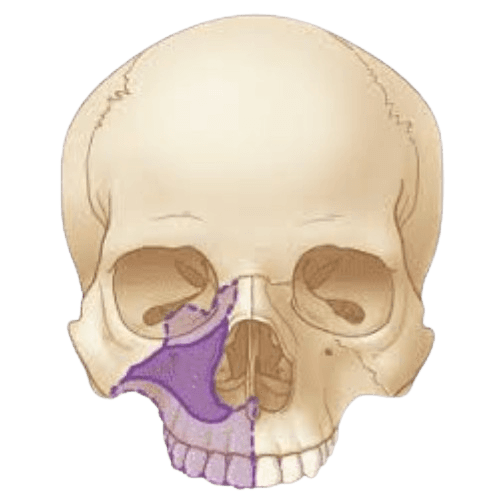
Maxillectomy is a complex surgical procedure that involves partial or complete removal of the maxilla (upper jaw bone). It is most commonly performed for malignant tumors, benign aggressive tumors, or extensive infections affecting the upper jaw and surrounding structures.
The surgery may be classified into partial, total, or radical maxillectomy depending on the extent of tissue and bone removed.Reconstruction may involve prosthetic obturators, local flaps, or free tissue transfer to restore function and facial aesthetics. - brPostoperative recovery focuses on wound healing, speech and swallowing rehabilitation, and long- term oncological surveillance.Early diagnosis and multidisciplinary management significantly improve outcomes and quality of life.
Understanding Maxillectomy
What the Procedure Involves
Maxillectomy is performed when disease affects the upper jaw and adjacent tissues. Surgeons carefully remove affected bone and soft tissue while preserving vital structures like the eye, nasal cavity, and oral cavity whenever possible. The goal is complete disease removal with maximum functional preservation.
- Partial Maxillectomy: Removal of a small portion of the maxilla, typically for localized tumors or lesions.
- Total Maxillectomy: Removal of the entire upper jaw on one or both sides, often for extensive malignancies.
- Radical Maxillectomy: Includes removal of adjacent structures such as the orbit or palate when disease spread is extensive.
- Reconstruction Options: May involve obturator prosthesis, local tissue flaps, or microvascular free flaps for functional restoration.
Indications and Patient Selection
When Maxillectomy is Recommended
Maxillectomy is considered when conservative treatments are insufficient. Careful imaging, biopsy, and multidisciplinary tumor board evaluation guide the decision-making process.
- Oral and Maxillary Cancers: Squamous cell carcinoma and other malignancies affecting the maxilla often require surgical resection.
- Benign Aggressive Tumors: Ameloblastoma, odontogenic tumors, and fibrous dysplasia may necessitate maxillectomy if extensive.
- Severe Infections: Invasive fungal infections or osteomyelitis may require surgical removal of diseased bone.
- Traumatic Destruction: Severe facial trauma may sometimes require reconstructive maxillectomy approaches.
Recovery and Rehabilitation
Postoperative Care and Healing
Recovery after maxillectomy is individualized and may require speech therapy, nutritional support, and dental rehabilitation. Psychological support is also essential due to facial and functional changes.
- Hospital Stay: Patients typically stay in the hospital for monitoring, pain control, and wound care.
- Speech and Swallow Therapy: Specialized therapy helps restore communication and swallowing function.
- Prosthetic Rehabilitation: Obturators or dental prostheses help close defects and improve oral function.
- Long-Term Surveillance: Regular follow-up is crucial for cancer monitoring and functional assessment.
Why Choose CureU Healthcare
Comprehensive ENT and Oncologic Care
CureU Healthcare provides multidisciplinary maxillofacial and ENT oncology care with advanced surgical expertise, precision reconstruction, and holistic patient support. The team integrates ENT surgeons, oncologists, reconstructive surgeons, prosthodontists, speech therapists, and psychologists to ensure comprehensive recovery. Advanced imaging, minimally invasive techniques, and personalized rehabilitation plans are central to patient-centered outcomes. Emphasis is placed on preserving speech, swallowing, and facial aesthetics while ensuring oncologic safety.
- Expert Surgical Team: Highly trained ENT and maxillofacial surgeons with extensive experience in complex head and neck surgeries.
- Advanced Reconstruction: Access to microvascular free flap reconstruction and state-of-the-art prosthetic solutions.
- Integrated Cancer Care: Seamless coordination with oncology, radiology, and pathology for complete cancer management.
- Holistic Rehabilitation: Dedicated speech therapy, nutritional guidance, and psychosocial support for long-term recovery.
Conclusion
Maxillectomy is a life-saving but highly specialized surgical procedure that requires expert surgical planning, multidisciplinary collaboration, and structured rehabilitation. While the surgery can significantly impact facial structure and oral function, modern reconstructive techniques and prosthetic advancements have dramatically improved quality of life outcomes. Early diagnosis, patient education, and long-term follow-up are essential to achieving optimal functional and oncologic results. With experienced surgical teams and comprehensive care pathways, patients undergoing maxillectomy can achieve meaningful recovery and sustained health.