
Overview
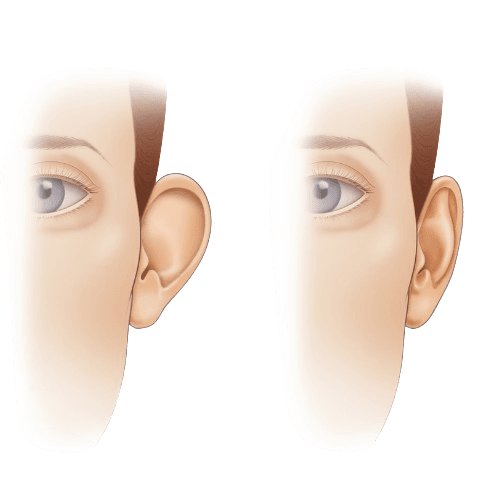
Otoplasty is a specialized cosmetic and reconstructive ENT surgical procedure designed to correct the shape, position, or size of the external ears.
It is commonly performed to address prominent ears, asymmetry, congenital ear deformities, or ear shape changes caused by trauma or previous surgery. While otoplasty is often sought for cosmetic reasons, its impact goes far beyond appearance, frequently improving self-confidence, social comfort, and psychological well-being.
The procedure can be performed in both children and adults and is tailored to the individual’s ear anatomy and aesthetic goals. Modern otoplasty techniques focus on creating natural-looking ears that are proportionate to the face, with minimal scarring and predictable, long-term results.
Depending on the case, otoplasty may involve reshaping ear cartilage, repositioning the ear closer to the head, correcting folds, or reducing ear size, all while preserving a balanced and harmonious facial appearance.
Understanding Otoplasty
Purpose and Clinical Significance
Otoplasty is performed to correct structural abnormalities of the external ear that may be present from birth or develop later in life. Prominent or misshapen ears can attract unwanted attention and lead to emotional distress, especially in children and young adults.
From a clinical perspective, otoplasty aims to restore normal ear anatomy while maintaining symmetry and natural contours. The procedure is highly individualized, as no two ears are exactly alike, even on the same person.
- Common Indications: Prominent ears, asymmetrical ears, constricted ear deformities, lop ear, and post-traumatic ear changes.
- Age Consideration: Often performed after the age of 5–6 years when ear cartilage is sufficiently developed, but equally effective in adults.
- Cosmetic and Psychological Benefits: Improves facial harmony and significantly boosts self-esteem and social confidence.
- Customization: Each surgical plan is tailored to the patient’s unique ear anatomy and aesthetic expectations.
Otoplasty Procedure and Techniques
How the Surgery Is Performed
Otoplasty is usually performed as a day-care procedure under local anesthesia with sedation or general anesthesia, depending on patient age and comfort.
The surgeon typically makes an incision behind the ear, allowing access to the cartilage without visible scarring. The cartilage is then reshaped, folded, or repositioned using sutures or selective cartilage removal to achieve a natural ear contour.
- Anesthesia Options: Local anesthesia for adults; general anesthesia commonly used for children.
- Incision Placement: Hidden behind the ear to minimize visible scarring.
- Cartilage Reshaping: Techniques include cartilage scoring, suturing, or partial excision based on deformity type.
- Surgical Duration: Typically lasts 1 to 2 hours, depending on complexity and whether one or both ears are treated.
Recovery, Results, and Risks
Postoperative Care and Expectations
Recovery after otoplasty is generally smooth and well-tolerated. Patients may experience mild pain, swelling, and bruising, which usually subside within a few days.
A head bandage is applied initially to support healing and maintain the new ear position. Long-term results are stable, and once healing is complete, the ears appear natural and proportionate.
- Initial Recovery: Most patients return to routine activities within 5–7 days.
- Headband Use: A protective headband is often recommended for several weeks, especially during sleep.
- Final Results: Ear shape and position stabilize over a few weeks as swelling resolves.
- Potential Risks: Infection, hematoma, asymmetry, scarring, or recurrence, though complications are uncommon with experienced surgeons.
Why Choose CureU Healthcare
CureU Healthcare offers comprehensive otoplasty care guided by experienced ENT and facial aesthetic surgeons who understand both functional anatomy and aesthetic balance.
Our approach emphasizes natural-looking outcomes, patient safety, and individualized treatment planning. Every patient undergoes detailed preoperative assessment, including facial analysis and expectation counseling, ensuring results that align with personal goals and facial harmony.
We use refined surgical techniques, meticulous cartilage handling, and evidence-based postoperative care protocols to minimize complications and optimize long-term results. From the first consultation to complete recovery, patients receive compassionate, transparent, and professional care tailored to their needs.
- Experienced ENT Surgeons: Specialists trained in both reconstructive and cosmetic ear surgery.
- Natural Aesthetic Focus: Emphasis on symmetry, proportion, and subtle, realistic outcomes.
- Child and Adult Care: Safe, age-appropriate otoplasty solutions for children, adolescents, and adults.
- End-to-End Support: Comprehensive care including counseling, surgery, recovery guidance, and follow-up.
Conclusion
Otoplasty is a safe and effective ENT surgical procedure that can create lasting improvements in ear shape, position, and overall facial balance. While often categorized as a cosmetic surgery, its benefits extend deeply into emotional well-being, confidence, and quality of life.
With modern surgical techniques, careful planning, and skilled execution, otoplasty delivers natural, stable results with minimal downtime. Selecting an experienced healthcare provider is essential to achieving both aesthetic satisfaction and surgical safety.
At CureU Healthcare, patients benefit from expert surgical care, individualized planning, and compassionate support throughout their otoplasty journey, ensuring results that look natural, feel comfortable, and stand the test of time.

B.U.M.S, M.D. (NAT) | Reg No. 9153 | Ex. Secretary & Treasurer, N.I.M.A.
Qualified healthcare professional in Unani and Naturopathic medicine with deep expertise in traditional healthcare systems, patient-centered clinical care, and medical content review.