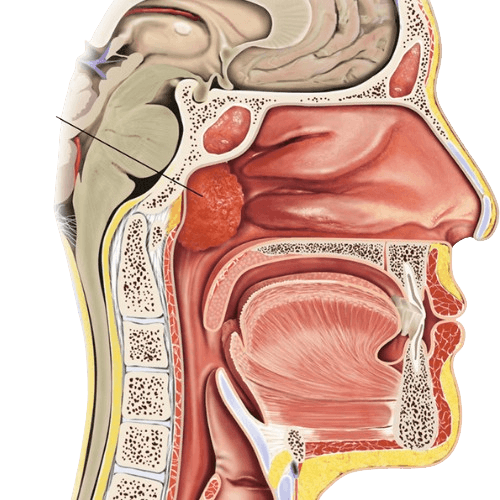
Overview
Adenotonsillectomy is a common ENT surgical procedure that involves the removal of both the tonsils and adenoids to treat recurrent infections, airway obstruction, and breathing-related sleep disorders. It is most frequently performed in children but may also be indicated in adults with chronic tonsillitis or obstructive symptoms. The procedure helps improve breathing, reduce throat infections, enhance sleep quality, and restore overall upper airway function. It is considered a safe and effective surgical solution when conservative treatments fail.
Key Clinical Highlights
- Minimally Invasive Techniques: Advanced surgical methods like coblation reduce tissue trauma and improve recovery time.
- Improved Airway Function: Restores normal breathing by removing obstructive lymphoid tissue.
- Reduced Infection Risk: Significantly decreases recurrent throat and ear infections in children.
When to Consider
Adenotonsillectomy is recommended in patients experiencing recurrent tonsillitis, frequent sore throat infections, persistent snoring, mouth breathing, difficulty swallowing, or obstructive sleep apnea symptoms. In children, indications include poor school performance linked to sleep disturbance, chronic nasal blockage, and recurrent ear infections due to enlarged adenoids. In adults, it is considered when chronic infection or airway obstruction significantly affects quality of life despite medical treatment.
Restore Breathing and Prevent Recurrent Infections
Adenotonsillectomy is performed to remove chronically enlarged or infected tonsils and adenoids that obstruct airflow and cause repeated infections, improving overall airway health and sleep quality.
- Improved Breathing: Relieves airway obstruction and reduces snoring.
- Reduced Infections: Prevents recurrent throat and ear infections.
- Better Sleep Quality: Improves sleep patterns and reduces sleep apnea symptoms.
Symptoms and Indications
- Recurrent Sore Throat: Frequent infections requiring repeated antibiotic treatment.
- Snoring and Mouth Breathing: Obstructed airway during sleep causing noisy breathing.
- Difficulty Swallowing: Enlarged tonsils interfering with normal swallowing.
- Sleep Disturbance: Poor sleep quality and frequent waking in children.
Types of Adenotonsillectomy (Tonsil and Adenoid Removal Surgery)
Conventional Adenotonsillectomy
Traditional surgical removal using dissection and cautery techniques.
- Cold Steel Technique: Manual surgical removal with minimal thermal injury.
Advanced Coblation Adenotonsillectomy
Uses radiofrequency energy for precise tissue removal with reduced pain.
- Plasma Assisted Technique: Lower post-operative pain and faster healing response.
Pre-Procedure Preparation
- ENT Assessment: Throat and nasal examination to evaluate severity
- Medical Tests: Blood tests and anesthesia fitness evaluation
- Pre-Surgery Instructions: Fasting and medication adjustments before surgery
- Surgical Planning: Selection of technique based on patient condition
Treatment Stages
- Initial Evaluation (Day 1): ENT examination and symptom assessment
- Pre-Surgical Workup (Day 1–3): Blood tests and anesthesia clearance
- Surgery (Scheduled day): Removal of tonsils and adenoids under general anesthesia
- Recovery (7–14 days): Hospital observation and home recovery support
Recovery Guidelines
- Soft Diet: Consume soft, non-irritating foods during recovery
- Hydration: Maintain adequate fluid intake to support healing
- Avoid Strain: Limit physical activity for at least 1–2 weeks
- Follow Medications: Take prescribed antibiotics and pain relief properly
Life After Treatment
- Significant improvement in breathing and sleep quality
- Reduced frequency of throat infections
- Better overall energy and daily performance
Adenotonsillectomy offers long-term relief from airway obstruction and recurrent infections, significantly improving quality of life.
Potential Risks
- Post-operative Pain: Temporary throat discomfort during healing phase.
- Bleeding (Rare): Small risk of bleeding after surgery requiring medical attention.
- Infection: Rare risk managed effectively with antibiotics.
Cost Estimation in India
Estimated procedure package range: $1,500 to $5,000 USD.
Package Inclusions:
- ENT consultation and throat examination
- Pre-operative blood tests and anesthesia evaluation
- Surgical removal of tonsils and adenoids
- General anesthesia and operation theater charges
- Post-operative hospital stay and monitoring
- Pain management and antibiotics
- Follow-up consultation and recovery assessment
Global Cost Comparison
- USA: $12,000 USD
- UK: $9,000 USD
- Germany: $8,000 USD
- Thailand: $5,000 USD
- India: $2,500 USD