Overview
Hypernasal Speech Therapy is a specialized therapeutic intervention designed to treat hypernasality, a speech disorder where excessive air escapes through the nose during speech, causing abnormal resonance and reduced speech clarity.
Hypernasality commonly occurs due to velopharyngeal dysfunction (VPD), cleft palate, neuromuscular disorders, post-surgical changes, or structural abnormalities of the soft palate. Speech therapy focuses on improving velopharyngeal closure, strengthening oral airflow control, and retraining correct speech patterns.
The therapy is typically delivered by certified speech-language pathologists (SLPs) and may be combined with surgical or prosthetic interventions depending on the underlying cause. The goal is to improve speech intelligibility, confidence, and overall communication quality, especially in children and adults affected by congenital or acquired conditions.
Understanding Hypernasal Speech
What Causes Hypernasality and How It Affects Communication
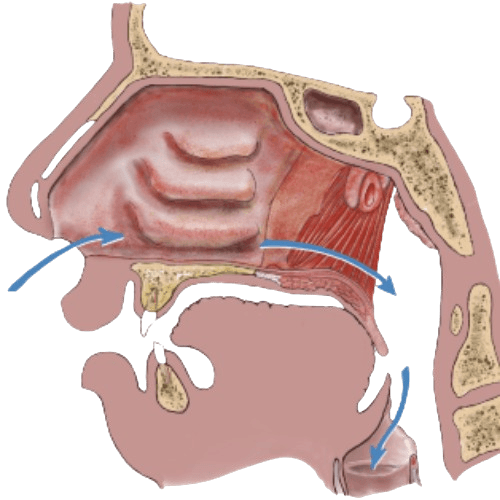
Hypernasal speech occurs when the soft palate fails to close properly against the back of the throat during speech, allowing air to escape through the nasal cavity. This disrupts normal speech resonance and makes speech sound nasal, muffled, and unclear.
Common causes include cleft palate, submucous cleft, velopharyngeal insufficiency, neuromuscular disorders, and post-surgical changes. Early diagnosis and targeted therapy significantly improve speech outcomes and social confidence.
- Velopharyngeal Dysfunction (VPD): A functional or structural problem where the soft palate does not close effectively, leading to nasal air escape during speech.
- Cleft Palate and Craniofacial Conditions: Congenital defects can prevent proper palate formation, making hypernasality a common speech complication.
- Neurological Disorders: Conditions like cerebral palsy, stroke, or neuromuscular diseases can weaken palate muscles and affect speech control.
- Post-Surgical Causes: ENT surgeries such as adenoidectomy or tumor resection may alter palate function and lead to hypernasality.
Procedure and Therapy Techniques
How Hypernasal Speech Therapy is Performed
Hypernasal Speech Therapy involves structured speech exercises, resonance training, biofeedback techniques, and airflow control training. Therapy sessions are customized based on age, severity, and underlying cause.
Speech therapists use auditory feedback, visual aids, nasometry, and articulation drills to retrain speech patterns and strengthen oral resonance. Therapy duration varies, often requiring weeks to months of consistent practice.
- Resonance Therapy Exercises: Techniques to shift sound resonance from the nasal cavity to the oral cavity using structured speech drills.
- Biofeedback and Nasometry: Electronic tools measure nasal airflow and provide visual feedback to help patients correct speech patterns.
- Articulation and Phonetic Training: Focused practice on consonants and vowels to improve clarity and reduce nasal sound leakage.
- Home Practice Programs: Customized daily exercises ensure continuous improvement outside clinical sessions.
Benefits and Expected Outcomes
What Patients Can Expect from Therapy
Hypernasal Speech Therapy significantly improves speech intelligibility, communication confidence, and quality of life. Early and consistent therapy yields the best outcomes, especially in children with congenital conditions.
Adults can also benefit from therapy after surgery or neurological conditions, though progress may vary depending on underlying pathology.
- Improved Speech Clarity: Reduced nasal resonance and clearer articulation of sounds and words.
- Enhanced Social Confidence: Better communication leads to improved social interactions and self-esteem.
- Non-Invasive Treatment Option: Therapy is safe, painless, and often avoids the need for additional surgery.
- Supportive Multidisciplinary Care: Often combined with ENT specialists, surgeons, and prosthodontists for comprehensive management.
Why Choose CureU Healthcare
Patient-Centered, Clinician-Led Speech Rehabilitation
CureU Healthcare offers comprehensive, evidence-based speech therapy programs led by certified speech-language pathologists and ENT specialists. Our approach is personalized, data-driven, and focused on long-term functional outcomes.
We integrate diagnostic assessments, advanced speech analysis tools, structured therapy protocols, and continuous progress monitoring to ensure optimal results for every patient.
Our patient-first philosophy ensures empathetic communication, family involvement (for pediatric cases), and clear guidance throughout the therapy journey.
- Expert Multidisciplinary Team: Collaboration between ENT surgeons, speech-language pathologists, and pediatric specialists for holistic care.
- Advanced Diagnostic Tools: Use of nasometry, endoscopy, and acoustic analysis to precisely assess hypernasality severity.
- Personalized Therapy Plans: Customized treatment protocols tailored to age, condition severity, and underlying cause.
- Long-Term Outcome Monitoring: Regular follow-ups and progress tracking to ensure sustained speech improvement.
Conclusion
Hypernasal Speech Therapy is a cornerstone treatment for individuals affected by excessive nasal resonance due to structural, neurological, or post-surgical causes. With early diagnosis, structured therapy, and consistent practice, patients can achieve significant improvements in speech clarity and communication confidence.
Choosing a specialized healthcare provider like CureU Healthcare ensures access to expert clinicians, advanced diagnostic tools, and personalized rehabilitation programs. Whether for children with congenital conditions or adults with acquired disorders, hypernasal speech therapy plays a critical role in restoring natural speech and enhancing overall quality of life.