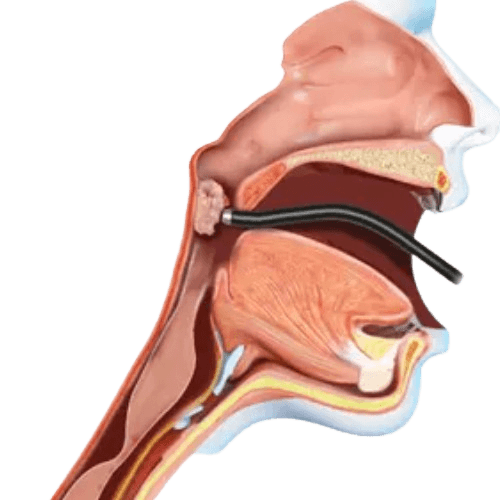
Overview
Coblation tonsillectomy is an advanced technique for removing tonsils using controlled radiofrequency energy to dissolve tissue at low temperatures.
Compared to traditional tonsillectomy, coblation causes less tissue damage, reduced bleeding, and faster recovery, making it especially beneficial for children and adults with recurrent tonsillitis, sleep apnea, or enlarged tonsils.
It is widely used in modern ENT practice due to improved patient comfort and safety.
What is Coblation Tonsillectomy
A modern approach to tonsil removal
Coblation tonsillectomy uses radiofrequency energy in a saline medium to break down tonsil tissue at lower temperatures than conventional methods. This reduces thermal injury to surrounding tissues, resulting in less postoperative pain and quicker healing.
It is commonly recommended for recurrent tonsillitis, chronic sore throat, tonsillar hypertrophy, and obstructive sleep apnea caused by enlarged tonsils.
- Low-Temperature Technology: Coblation works at lower temperatures, minimizing tissue damage compared to electrocautery.
- Reduced Bleeding: The technique seals blood vessels while removing tissue, leading to less intraoperative and postoperative bleeding.
- Precision Removal: Surgeons can precisely remove tonsil tissue while preserving surrounding structures.
- Patient Comfort: Patients generally experience less pain and faster return to normal activities.
Procedure Details
How the surgery is performed
Coblation tonsillectomy is performed under general anesthesia. The surgeon uses a coblation wand to gently dissolve tonsil tissue while controlling bleeding. The procedure usually takes 20–40 minutes and is often done as a day-care surgery.
Patients are monitored for a few hours postoperatively and can usually go home the same day.
- General Anesthesia: Ensures the patient is fully asleep and pain-free during the procedure.
- Coblation Wand: A specialized device that uses radiofrequency energy to remove tonsils safely.
- Short Surgery Time: Typically completed within 30–40 minutes depending on complexity.
- Day-Care Discharge: Most patients are discharged the same day with pain management instructions.
Recovery and Risks
Healing and potential complications
Recovery after coblation tonsillectomy is usually faster than traditional tonsil surgery. Patients may experience sore throat, mild ear pain, and difficulty swallowing for a few days to two weeks. Adequate hydration and pain control are important.
Although complications are rare, risks include bleeding, infection, dehydration, and anesthesia-related issues, which are minimized with proper surgical technique and postoperative care.
- Pain Duration: Sore throat typically improves within 7–14 days.
- Diet Recommendations: Soft and cool foods are advised to reduce discomfort and promote healing.
- Bleeding Risk: Minor bleeding can occur, but significant bleeding is uncommon with coblation.
- Follow-Up Care: ENT follow-up ensures proper healing and addresses any complications early.
Why Choose CureU Healthcare
Advanced ENT surgery with compassionate care
CureU Healthcare offers state-of-the-art coblation tonsillectomy with a strong emphasis on safety, comfort, and rapid recovery.
Our ENT surgeons are experienced in pediatric and adult tonsil surgeries and follow evidence-based protocols to minimize pain and complications. We provide detailed preoperative counseling, personalized pain management plans, and structured postoperative follow-up to ensure optimal outcomes for every patient.
- Skilled ENT Surgeons: Specialists trained in modern coblation technology and minimally invasive tonsil surgery.
- Child-Friendly and Adult Care: Dedicated protocols for both pediatric and adult patients for safer recovery.
- Advanced Operating Facilities: Modern OT setups with strict infection control and monitoring standards.
- Comprehensive Postoperative Support: Guidance on diet, pain management, and recovery milestones with easy access to specialists.
Conclusion
Coblation tonsillectomy represents a significant advancement in tonsil surgery, offering reduced pain, minimal bleeding, and faster recovery compared to traditional techniques. It is a safe and effective option for patients suffering from recurrent tonsillitis, chronic tonsil enlargement, or sleep-related breathing disorders.
With expert ENT surgeons, advanced technology, and patient-centered care, CureU Healthcare ensures a smooth surgical experience and optimal long-term outcomes, helping patients return to normal life with improved comfort and quality of sleep.