Overview
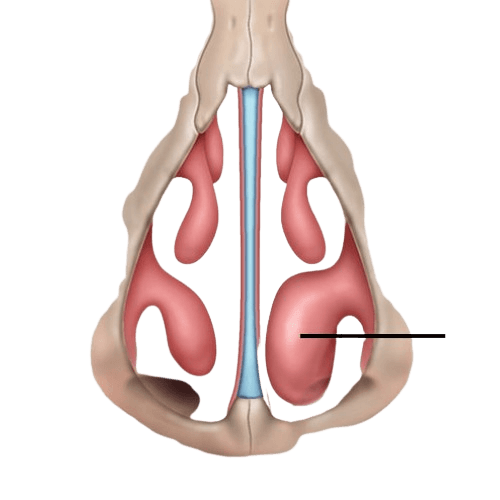
Turbinoplasty is a specialized ENT surgical procedure performed to reduce the size of enlarged nasal turbinates, which are structures inside the nose responsible for humidifying, filtering, and regulating airflow.
When turbinates become chronically enlarged due to allergies, infections, deviated nasal septum, or long-term nasal spray use, they can obstruct airflow and cause persistent nasal blockage, mouth breathing, snoring, sleep disturbance, and reduced quality of life.
Turbinoplasty aims to preserve turbinate function while reducing excess tissue using advanced techniques such as radiofrequency ablation, microdebrider-assisted reduction, or partial resection. The procedure is safe, effective, and often performed as a day-care surgery, significantly improving nasal breathing and overall nasal function.
Understanding Turbinate Hypertrophy
Why Enlarged Turbinates Cause Chronic Nasal Blockage
Nasal turbinates play a vital role in normal breathing, but when they become persistently enlarged, they can obstruct airflow and lead to chronic nasal symptoms.
Turbinate hypertrophy is commonly associated with allergic rhinitis, chronic sinusitis, deviated nasal septum, and environmental irritants. Medical treatment may offer temporary relief, but surgery becomes necessary when symptoms persist despite optimal therapy.
- Inferior Turbinate Hypertrophy: The most common cause of nasal obstruction where the lower turbinates enlarge and block airflow.
- Allergy-Related Enlargement: Chronic allergic inflammation causes long-term swelling of turbinate tissue.
- Medication Overuse: Prolonged use of nasal decongestant sprays can worsen turbinate swelling.
- Impact on Daily Life: Persistent blockage leads to mouth breathing, poor sleep, fatigue, and reduced productivity.
Turbinoplasty Procedure
How the Surgery is Performed
Turbinoplasty is designed to reduce turbinate size while preserving the mucosal lining to maintain normal nasal physiology.
The procedure is performed under local or general anesthesia depending on the technique and patient comfort. Modern approaches focus on minimally invasive tissue reduction with minimal bleeding and faster recovery.
- Radiofrequency Turbinoplasty: Uses controlled heat energy to shrink turbinate tissue with minimal trauma.
- Microdebrider-Assisted Reduction: A precise technique that removes excess tissue while preserving function.
- Endoscopic Guidance: High-definition endoscopes ensure accuracy and safety during surgery.
- Day-Care Procedure: Most patients return home the same day with minimal postoperative discomfort.
Recovery and Expected Outcomes
Healing Timeline and Results
Recovery after turbinoplasty is usually smooth and well tolerated. Mild nasal congestion, crusting, or blood-tinged discharge may occur initially but resolve with proper care.
Patients typically notice progressive improvement in nasal airflow over weeks as healing completes. Long-term outcomes are excellent when underlying causes such as allergies are also managed.
- Initial Recovery Phase: Mild swelling and congestion for a few days following surgery.
- Breathing Improvement: Noticeable airflow improvement within 2 to 4 weeks.
- Postoperative Care: Saline nasal sprays and medications help promote healing.
- Long-Term Relief: Sustained reduction in nasal blockage and improved sleep quality.
Why Choose CureU Healthcare
Advanced ENT Care Focused on Long-Term Breathing Relief
CureU Healthcare provides comprehensive evaluation and advanced surgical management for nasal obstruction caused by turbinate hypertrophy. Our ENT specialists focus on function-preserving techniques that prioritize patient comfort and long-term outcomes.
We combine precise diagnosis, state-of-the-art surgical tools, and individualized care plans to ensure optimal breathing restoration with minimal risk.
Patients receive clear guidance, compassionate care, and structured follow-up to support complete recovery and sustained symptom relief.
- Experienced ENT Surgeons: Specialists trained in modern, minimally invasive turbinoplasty techniques.
- Function-Preserving Approach: Focus on reducing tissue without compromising nasal physiology.
- Personalized Treatment Plans: Surgery tailored based on anatomy, severity, and associated conditions.
- Comprehensive Follow-Up Care: Ongoing monitoring to ensure healing and prevent recurrence.
Conclusion
Turbinoplasty is a safe and effective surgical solution for patients suffering from chronic nasal obstruction due to enlarged turbinates that do not respond to medical therapy. By reducing turbinate size while preserving essential nasal function, the procedure restores comfortable breathing, improves sleep quality, and enhances overall quality of life.
With expert evaluation, modern surgical techniques, and attentive postoperative care, outcomes are highly successful. Choosing a trusted center like CureU Healthcare ensures access to experienced ENT specialists, patient-centered care, and long-term relief from nasal blockage.

B.U.M.S, M.D. (NAT) | Reg No. 9153 | Ex. Secretary & Treasurer, N.I.M.A.
Qualified healthcare professional in Unani and Naturopathic medicine with deep expertise in traditional healthcare systems, patient-centered clinical care, and medical content review.