Overview
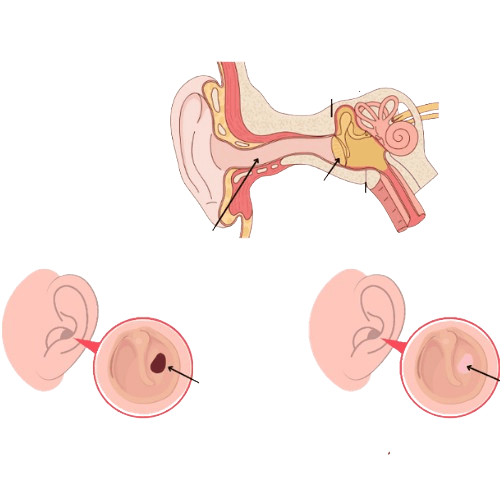
Myringoplasty is a delicate ENT surgical procedure designed to repair perforations in the tympanic membrane, commonly known as the eardrum. The surgery involves grafting tissue, often taken from the patient's own fascia, to close the perforation and restore the integrity of the eardrum.
-The procedure is typically indicated for patients experiencing recurrent ear infections, chronic otorrhea (discharge from the ear), or hearing loss due to a perforated eardrum. It can also prevent further complications such as cholesteatoma or middle ear infections that may compromise hearing and overall ear health.
-During the surgery, performed under local or general anesthesia, the ENT surgeon carefully elevates the tympanic membrane, places the graft in the perforated area, and ensures proper alignment to allow optimal healing and sound conduction. The procedure may be performed using an underlay or overlay technique depending on the size and location of the perforation.
-Recovery after myringoplasty typically involves keeping the ear dry, avoiding heavy lifting or straining, and attending regular follow-ups to monitor healing. Most patients experience gradual improvement in hearing over several weeks, with full recovery usually achieved within a few months. While the procedure has a high success rate, potential risks include infection, graft failure, changes in taste sensation, or persistent hearing loss in rare cases.
Introduction to Myringoplasty
Understanding Eardrum Repair
Myringoplasty is an essential ENT procedure for patients with eardrum perforations, which can result from infections, trauma, or previous surgeries. Repairing the tympanic membrane restores normal hearing, prevents recurrent infections, and protects the middle ear structures. ENT specialists utilize advanced microsurgical techniques to ensure precision, minimal discomfort, and high success rates.
- Purpose: To repair eardrum perforations and restore normal auditory function.
- Indications: Chronic otorrhea, recurrent ear infections, hearing impairment due to perforation.
- Surgical Techniques: Underlay and overlay grafting techniques using fascia or perichondrium.
- Success Rate: High success with proper surgical technique and patient compliance, typically 85-95%.
Procedure Overview
Step-by-Step Surgical Process
Myringoplasty involves carefully preparing the ear, harvesting the graft tissue, and placing it to close the perforation. The ENT surgeon works under magnification to ensure precision and optimal alignment of the graft. Surgery usually lasts 1-2 hours, and patients may return home the same day or after a short hospital stay depending on the anesthesia and complexity of the procedure.
- Anesthesia: Local or general anesthesia is used based on patient comfort and surgical complexity.
- Graft Preparation: Tissue is typically harvested from the temporalis fascia or tragal cartilage.
- Placement: The graft is carefully positioned in the perforated area using microsurgical instruments.
- Closure: The ear canal may be packed with absorbable material to support graft integration.
Why Choose CureU Healthcare
Patient-Centered ENT Excellence
CureU Healthcare offers world-class ENT surgical care with a focus on patient safety, comfort, and long-term outcomes. Our ENT surgeons are highly experienced in microsurgical techniques, ensuring minimal complications and optimal hearing restoration. The hospital provides state-of-the-art operating rooms, advanced diagnostic facilities, and personalized post-operative care plans. Patients benefit from thorough pre-surgical counseling, evidence-based protocols, and compassionate support throughout recovery. With a commitment to excellence and continuous innovation, CureU Healthcare ensures every patient undergoing myringoplasty receives the highest standard of care tailored to their individual needs.
- Experienced ENT surgeons with advanced microsurgical skills.
- Comprehensive diagnostic and imaging facilities for precise evaluation.
- Personalized recovery and follow-up plans to ensure optimal outcomes.
- State-of-the-art operating theaters and patient-focused care environment.
Recovery and Postoperative Care
Ensuring Optimal Healing
Postoperative care is critical to the success of myringoplasty. Patients are advised to keep the ear dry, avoid inserting any objects into the ear, and refrain from activities that increase middle ear pressure, such as heavy lifting, straining, or flying in the immediate recovery period. Pain is generally mild and managed with analgesics, and follow-up visits are scheduled to monitor graft integration and hearing improvement. Early detection of complications such as infection or graft displacement ensures timely intervention and maximizes surgical success.
- Ear Protection: Keep the ear dry and avoid water entry during the initial healing phase.
- Activity Restrictions: Avoid heavy lifting, straining, and sudden pressure changes.
- Medication: Use prescribed antibiotics and pain management medications as directed.
- Follow-Up: Regular ENT check-ups to monitor graft healing and hearing improvement.
Conclusion
Myringoplasty is a highly effective procedure for restoring hearing and preventing recurrent ear infections caused by eardrum perforations. When performed by experienced ENT surgeons at a well-equipped facility like CureU Healthcare, patients can expect high success rates, minimal complications, and a smooth recovery. Proper preoperative evaluation, meticulous surgical technique, and diligent postoperative care are essential to achieving the best outcomes. With a patient-centered approach, myringoplasty not only improves auditory function but also enhances overall quality of life by reducing the burden of chronic ear problems.

B.U.M.S, M.D. (NAT) | Reg No. 9153 | Ex. Secretary & Treasurer, N.I.M.A.
Qualified healthcare professional in Unani and Naturopathic medicine with deep expertise in traditional healthcare systems, patient-centered clinical care, and medical content review.