Overview
Uvulopalatopharyngoplasty (UPPP) is a well-established ENT surgical procedure primarily performed to treat obstructive sleep apnea (OSA) and chronic, severe snoring that does not respond to conservative treatments.
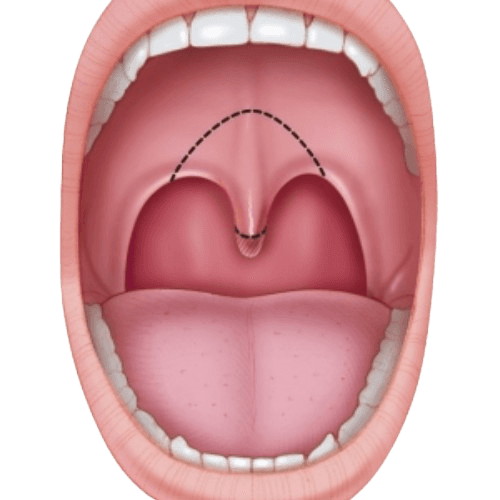
During this procedure, excess or obstructive tissues from the throat—such as the uvula, part of the soft palate, and sometimes the tonsils—are carefully removed or reshaped to widen the airway and improve airflow during sleep.
UPPP is usually recommended for patients whose airway obstruction is localized to the soft palate region and who continue to experience symptoms like loud snoring, choking episodes during sleep, or excessive daytime sleepiness.
The surgery is performed under general anesthesia, and while it does not cure sleep apnea in every patient, it can significantly reduce symptom severity, improve sleep quality, and lower long-term health risks when properly selected and performed by experienced ENT surgeons.
Understanding Uvulopalatopharyngoplasty (UPPP)
What the surgery involves
Uvulopalatopharyngoplasty is designed to address structural airway narrowing at the level of the soft palate and uvula. In many patients with obstructive sleep apnea or socially disruptive snoring, relaxed or enlarged throat tissues collapse during sleep, blocking airflow. UPPP works by surgically reshaping these tissues to create a wider, more stable airway. The goal is not cosmetic but functional—restoring uninterrupted breathing during sleep and reducing oxygen drops that strain the heart and brain.
- Target Area: The procedure focuses on the uvula, soft palate, and sometimes tonsillar tissues that contribute to airway blockage during sleep.
- Anesthesia: UPPP is performed under general anesthesia to ensure patient comfort and surgical precision.
- Surgical Technique: Excess tissue is carefully removed or repositioned while preserving swallowing and speech function.
- Primary Indication: Most commonly recommended for obstructive sleep apnea and severe snoring unresponsive to CPAP or lifestyle changes.
Who Is an Ideal Candidate for UPPP
Patient selection matters
Not every patient with snoring or sleep apnea benefits equally from UPPP. Careful evaluation by an ENT specialist is critical to determine whether airway obstruction originates at the soft palate level. Proper patient selection significantly improves surgical outcomes and long-term satisfaction.
- Obstructive Sleep Apnea: Patients with mild to moderate OSA where soft palate collapse is the primary cause.
- CPAP Intolerance: Individuals unable to tolerate or comply with CPAP therapy despite repeated attempts.
- Anatomical Factors: Presence of an elongated uvula, bulky soft palate, or enlarged tonsils contributing to airway narrowing.
- Overall Health: Patients without uncontrolled medical conditions that could increase surgical risk.
Recovery and Postoperative Care
What to expect after surgery
Recovery after UPPP requires patience and adherence to postoperative instructions. Throat discomfort is expected, especially during swallowing, but it gradually improves over time. Proper pain control, hydration, and follow-up care are essential to ensure safe healing and optimal outcomes.
- Hospital Stay: Most patients require short hospital observation, especially those with sleep apnea.
- Pain Management: Throat pain is common and managed with prescribed medications and supportive care.
- Diet: Soft or liquid diets are recommended initially to reduce irritation and promote healing.
- Healing Timeline: Initial recovery takes 2–3 weeks, with continued improvement over several months.
Why Choose CureU Healthcare
Advanced ENT care with a human touch
CureU Healthcare offers comprehensive, patient-centered ENT surgical care backed by experienced specialists and modern infrastructure. From preoperative evaluation to long-term follow-up, every step is designed to ensure safety, clarity, and confidence for the patient. Our approach emphasizes precise diagnosis, ethical surgical decision-making, and compassionate postoperative support.
- Experienced ENT Surgeons: Procedures are performed by highly trained ENT specialists with extensive experience in sleep-related airway surgeries.
- Comprehensive Evaluation: Detailed airway assessment, sleep studies, and imaging ensure the right procedure for the right patient.
- Modern Surgical Facilities: State-of-the-art operation theaters and anesthesia care prioritize patient safety and comfort.
- Continuity of Care: Dedicated postoperative monitoring, pain management, and long-term outcome assessment.
Conclusion
Uvulopalatopharyngoplasty (UPPP) remains a valuable surgical option for carefully selected patients suffering from obstructive sleep apnea or debilitating snoring. While it is not a universal cure, it can significantly improve airflow, sleep quality, and overall health when performed for the right indications. With expert evaluation, realistic expectations, and meticulous surgical technique, UPPP can reduce symptoms, enhance daytime alertness, and lower long-term cardiovascular risks associated with untreated sleep apnea. At CureU Healthcare, the focus is always on individualized care—ensuring that every patient receives the most appropriate, evidence-based treatment for lasting benefit.

B.U.M.S, M.D. (NAT) | Reg No. 9153 | Ex. Secretary & Treasurer, N.I.M.A.
Qualified healthcare professional in Unani and Naturopathic medicine with deep expertise in traditional healthcare systems, patient-centered clinical care, and medical content review.