Overview
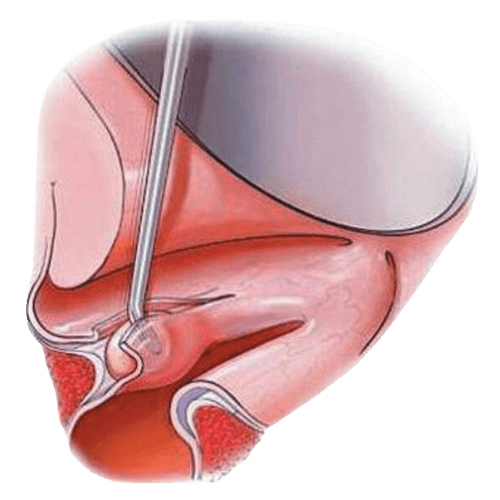
Microlaryngeal Surgery (MLS) is a specialized ENT procedure used to diagnose and treat benign and malignant lesions of the vocal cords and larynx.
It employs high-precision microsurgical instruments under general anesthesia to remove abnormal tissue while preserving normal laryngeal function.
MLS is indicated for vocal cord polyps, cysts, papillomas, early-stage cancers, and persistent hoarseness unresponsive to medical therapy.
The procedure is performed under direct visualization with a surgical microscope, ensuring minimal trauma, precise excision, and preservation of voice quality.
Postoperative care includes voice rest, anti-reflux measures, and follow-up laryngoscopic evaluation to monitor healing and prevent recurrence.
Understanding Microlaryngeal Surgery
Indications and Benefits
MLS is an advanced microsurgical technique aimed at treating laryngeal and vocal cord pathology with minimal morbidity. Indications include benign lesions like polyps, nodules, cysts, papillomas, as well as early malignant lesions. The main benefits are precise excision, preservation of voice quality, and rapid recovery compared to open laryngeal procedures.
- Indications: Benign vocal cord lesions, early-stage laryngeal cancer, persistent hoarseness, papillomas, and precancerous lesions.
- Advantages: Minimally invasive, precise tissue removal, voice preservation, reduced operative trauma.
- Patient Selection: Ideal candidates include patients with localized laryngeal lesions, good general health, and willingness to follow postoperative care instructions.
- Diagnostic Role: MLS also serves a diagnostic purpose by allowing biopsy of suspicious lesions for histopathological confirmation.
Procedure Details
Step-by-Step Overview
MLS is performed under general anesthesia with the patient in a supine position. A laryngoscope is inserted to expose the vocal cords, and a surgical microscope provides magnified visualization. Microinstruments or lasers are used to excise lesions precisely. The procedure minimizes damage to surrounding healthy tissue, ensuring optimal voice preservation. Operative time typically ranges from 30–60 minutes, depending on lesion complexity.
- Anesthesia: General anesthesia with airway protection and monitoring.
- Visualization: Use of laryngoscope and surgical microscope for high-precision visualization.
- Excision: Microinstruments or CO2 laser employed to remove lesions precisely.
- Postoperative Care: Voice rest, anti-reflux therapy, and scheduled follow-up laryngoscopy.
Why Choose CureU Healthcare
Advanced ENT Surgical Care
CureU Healthcare offers state-of-the-art ENT surgical services, with expertise in microlaryngeal procedures performed by highly trained laryngologists. Our approach emphasizes meticulous surgical technique, patient safety, and functional voice preservation. Preoperative counseling, intraoperative precision, and structured postoperative rehabilitation ensure optimal outcomes. We combine advanced operative tools, comprehensive diagnostics, and multidisciplinary ENT support to deliver patient-centered care for both benign and malignant laryngeal conditions.
- Expert Surgeons: Board-certified ENT surgeons specialized in microsurgical laryngeal procedures.
- Cutting-Edge Technology: Use of high-definition microscopes, microinstruments, and CO2 lasers for precision.
- Patient Safety: Comprehensive preoperative evaluation and continuous monitoring during surgery.
- Postoperative Support: Structured voice rehabilitation, follow-up laryngoscopy, and preventive guidance.
Recovery and Voice Rehabilitation
Post-Surgery Care
Recovery after MLS is generally quick, with patients typically resuming normal activities within a few days. Voice rest is critical in the immediate postoperative period to facilitate healing. Speech therapy may be recommended to restore optimal vocal function. Monitoring for recurrence or complications is performed through regular follow-up laryngoscopic examinations, ensuring long-term laryngeal health.
- Immediate Care: Voice rest for 5–7 days, hydration, and avoidance of irritants.
- Follow-Up: Scheduled laryngoscopic evaluations to assess healing and detect recurrence early.
- Voice Therapy: Guided exercises to restore vocal strength and flexibility.
- Lifestyle Measures: Avoid smoking, manage reflux, and maintain hydration to support vocal cord health.
Conclusion
Microlaryngeal Surgery (MLS) is a highly effective, minimally invasive procedure for diagnosing and treating vocal cord and laryngeal lesions. Early intervention, precise microsurgical techniques, and structured postoperative care are critical to preserving voice function and preventing recurrence. CureU Healthcare provides comprehensive care, combining surgical expertise, advanced technology, and patient-centered rehabilitation, ensuring optimal outcomes for individuals seeking restoration of laryngeal health and vocal quality.