What Is Laryngectomy and Why Is It Performed?
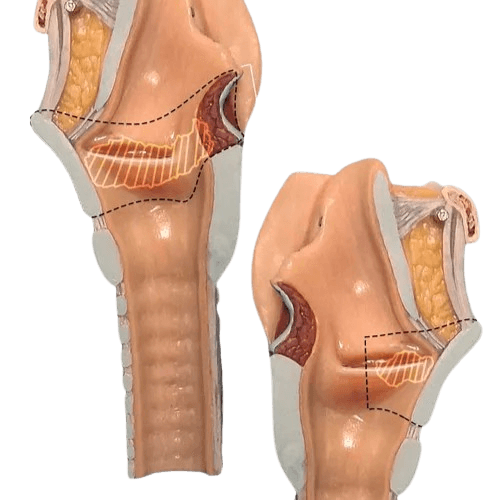
A laryngectomy is a surgical procedure to remove part or all of the larynx, commonly known as the voice box. The larynx is located in the neck and plays an essential role in speaking, breathing, and protecting the lungs when food or liquid is swallowed.
Laryngectomy treatment is most commonly recommended for certain cancers of the larynx, particularly when the tumour is advanced, cannot be treated effectively with a voice-preserving procedure, or has returned after previous treatment. In selected cases, surgery may also be necessary for severe, irreversible damage to the larynx or life-threatening swallowing and airway problems.
The extent of surgery determines how a person will speak, breathe, and swallow afterward. A partial laryngectomy preserves some laryngeal structures and may allow continued natural speech. A total laryngectomy removes the entire voice box and creates a permanent neck stoma through which the patient breathes.
Although total laryngectomy permanently changes natural voice production, it does not necessarily mean losing the ability to communicate. Voice prostheses, electronic speech devices, and specialist rehabilitation can help many patients develop a functional speaking voice.
Laryngectomy treatment at a glance
Important: Laryngectomy is a major operation. The decision should be made after assessment by a multidisciplinary head and neck cancer team, with discussion of treatment alternatives, expected benefits, functional changes, and potential complications.
When Is Laryngectomy Necessary for Throat Cancer?
Laryngectomy is considered when removing part or all of the voice box offers an appropriate way to control the disease or restore essential airway function. It is not automatically required for every person diagnosed with throat cancer.
An important distinction is that throat cancer is a broad term. Laryngectomy is primarily associated with cancer originating in the larynx, although some cancers affecting adjacent structures, such as the hypopharynx, may require more extensive combined surgery.
Common medical reasons for laryngectomy
1. Locally advanced laryngeal cancer
A large tumour may invade important laryngeal structures, interfere with breathing or swallowing, or extend beyond the voice box. In certain advanced cases, total laryngectomy offers the best opportunity for local cancer control.
2. Cancer that returns after treatment
When cancer persists or returns after radiotherapy or chemoradiotherapy, doctors may recommend salvage laryngectomy. This means surgically removing the cancer after an earlier treatment has failed.
3. Cancer unsuitable for voice-preserving surgery
Some tumours cannot be completely removed through a limited operation while preserving a safe, functional larynx. A total laryngectomy may then be considered.
4. Severe, irreversible laryngeal dysfunction
In carefully selected patients, the voice box may be so badly damaged that it causes repeated aspiration, serious airway obstruction, or other complications that cannot be managed adequately through less invasive treatment.
Does every patient with stage III or IV cancer need laryngectomy?
No. Total laryngectomy is not always necessary, even in some patients with locally advanced laryngeal cancer.
Selected patients may be candidates for chemoradiotherapy intended to preserve the larynx. However, preservation of the organ does not always guarantee preservation of normal voice, swallowing, or breathing function.
The choice depends on tumour anatomy, cartilage involvement, the function of the existing larynx, previous treatment, overall health, and the patient's priorities.
What Are the Different Types of Laryngectomy?
There are several surgical approaches to removing a diseased voice box. The most appropriate procedure depends on where the tumour is located, how far it has spread, and whether enough healthy tissue can remain to support breathing, swallowing, and speech.
Partial laryngectomy
A partial laryngectomy removes only the affected portion of the larynx. The objective is to eliminate the tumour while preserving as much normal function as possible.
Depending on the exact operation, patients may retain natural speech and eventually breathe without a permanent neck opening. However, temporary airway support and swallowing therapy may be required.
Supraglottic laryngectomy
This procedure removes the upper part of the larynx, above the true vocal cords. Because the vocal cords are retained, many patients can continue speaking.
Swallowing may require rehabilitation because some structures that normally protect the airway during swallowing have been removed.
Total laryngectomy
A total laryngectomy removes the whole voice box, including the vocal cords. The windpipe is brought forward and attached to an opening in the neck.
After total laryngectomy, the mouth and nose are no longer connected to the lungs. The patient breathes through the neck stoma, while food and drink continue to pass through the mouth and oesophagus.
This permanent anatomical change is why speech rehabilitation, stoma education, and emergency airway awareness are essential parts of treatment.
Can Laryngectomy Be Avoided with Radiation or Chemotherapy?
Some patients can receive effective cancer treatment without removing the entire larynx. This is known as larynx-preservation treatment.
Doctors evaluate whether a less extensive procedure or nonsurgical approach can achieve appropriate cancer control without creating unacceptable risks to breathing, swallowing, or long-term quality of life.
Available treatment alternatives
Treatment is not chosen simply by comparing the size of the operation. An approach that preserves the larynx anatomically may still leave some patients with considerable swallowing difficulty or impaired laryngeal function.
Questions worth asking your oncologist: Can the cancer be treated without total laryngectomy? What are the chances of achieving cancer control with each option? How might the treatments affect my voice, swallowing, breathing, and quality of life?
How Do Doctors Diagnose and Plan Laryngectomy Surgery?
Before recommending laryngectomy, doctors need to confirm the diagnosis, determine the extent of the tumour, assess whether cancer has spread, and evaluate the patient's ability to undergo surgery.
The treatment decision depends on the tumour stage and location, as well as the patient's general condition and functional needs.
Tests commonly performed before surgery
Flexible laryngoscopy: A thin camera is used to examine the larynx and assess abnormalities or movement of the vocal cords.
Biopsy: A tissue sample is examined under a microscope to confirm whether cancer is present and identify its type.
CT or MRI scan: Imaging helps determine the tumour's size, extent, relationship to surrounding tissues, and involvement of nearby lymph nodes.
PET-CT scan: May be recommended in selected advanced cases to evaluate disease spread or clarify suspicious findings.
Blood tests and anaesthesia assessment: Help identify medical conditions that could affect surgical safety or postoperative recovery.
Speech and swallowing assessment: Establishes the patient's current function and supports planning for rehabilitation after surgery.
Why a multidisciplinary tumour board matters
A head and neck cancer team may include surgical oncologists, ENT surgeons, radiation oncologists, medical oncologists, radiologists, pathologists, reconstructive surgeons, speech-language therapists, dietitians, and specialist nurses.
Reviewing the case together helps the team balance cancer control with the patient's future ability to communicate, swallow, and maintain independence.
How Should You Prepare for Laryngectomy Surgery?
Preparing for laryngectomy involves more than routine surgical investigations. Patients and caregivers also need practical information about the changes that may follow surgery.
Before admission
1. Review the treatment plan. Understand whether the planned operation is partial or total, and whether neck dissection, thyroid surgery, or reconstruction may also be needed.
2. Discuss voice restoration early. A speech-language therapist can explain the communication options available after total laryngectomy.
3. Inform the medical team about medicines. Blood thinners, diabetes medicines, supplements, and other treatments may require specific instructions.
4. Address nutritional problems. Patients who have lost weight or struggle to swallow may benefit from nutritional support before surgery.
5. Stop tobacco use and avoid alcohol. These measures are important for cancer treatment and healing. Ask the clinical team for cessation support if needed.
6. Arrange caregiver support. A family member may need to assist with communication, wound care, transport, and medical appointments during early recovery.
Patients undergoing cancer treatment should also discuss dental health, previous radiotherapy, lung conditions, and any significant heart or respiratory disease with their care team.
Preparing for communication after surgery
Immediately after total laryngectomy, patients cannot use their natural voice. Writing materials, a smartphone or tablet, and communication boards can make the early recovery period easier.
Learning about communication options before surgery can also help patients and their families prepare for the adjustment.
How Is Laryngectomy Surgery Performed?
Laryngectomy is performed under general anaesthesia by a trained head and neck surgical team. The exact operation depends on the tumour's location and the planned extent of tissue removal.
Step-by-step overview of total laryngectomy
Step 1: Anaesthesia and surgical access
The patient receives general anaesthesia, and the surgical team makes an incision in the neck to access the larynx and surrounding structures.
Step 2: Removal of the affected structures
The surgeon removes the larynx and any additional tissue required for cancer clearance. The objective is to achieve clear surgical margins, meaning no cancer cells are detected at the cut edges of the removed tissue.
Step 3: Lymph node assessment or removal
A neck dissection may be performed when indicated by the tumour's location, stage, and lymph node findings. This can involve removing lymph nodes from one or both sides of the neck.
Step 4: Creation of the permanent breathing opening
The windpipe is separated from the upper airway and brought to the front of the neck. Its end is attached to the skin to create the permanent tracheostoma.
Step 5: Reconstruction of the swallowing passage
The remaining pharyngeal tissues are closed to create a passage for food and liquids. If a larger area has been removed, tissue transferred from another part of the body may be required for reconstruction.
Step 6: Closure and postoperative monitoring
The surgical team places any necessary drains and feeding tubes, closes the incision, and transfers the patient to a monitored recovery area.
Can a voice prosthesis be placed during the same surgery?
In selected patients, the surgeon may create a tracheoesophageal puncture (TEP) during the initial operation. This allows placement of a device used for voice restoration.
Other patients undergo TEP as a separate procedure after healing. The decision depends on surgical findings, previous treatment, anatomy, and the likelihood of successful rehabilitation.
How Long Does Laryngectomy Recovery Take?
Recovery after laryngectomy occurs in stages. The initial focus is on wound healing, maintaining a clear airway, controlling pain, and ensuring adequate nutrition. The longer-term focus shifts toward swallowing, speech, physical strength, and adjustment to daily life.
Typical recovery timeline
These are illustrative stages, not a fixed schedule. Recovery can take longer after previous radiotherapy, extensive reconstruction, wound complications, or significant medical illness.
How long is the hospital stay?
Many patients undergoing total laryngectomy remain in hospital for approximately 10–14 days, although the actual stay can be shorter or longer.
Discharge depends on the patient's recovery, nutritional status, wound healing, ability to manage the airway, and availability of trained support at home.
When can normal eating begin?
Initially, nutrition is commonly delivered through a feeding tube while the reconstructed throat heals. The surgeon decides when swallowing can be assessed and oral intake can begin.
Patients usually progress gradually from liquids to soft foods and then toward a more regular diet, according to their swallowing function and clinical progress.
What Are the Risks and Complications of Laryngectomy?
Like other major head and neck operations, laryngectomy carries risks related to anaesthesia, wound healing, infection, bleeding, and postoperative function.
Some complications occur soon after surgery, while others may develop during rehabilitation or months later.
Possible short-term complications
- Bleeding or infection: May occur around the surgical wound or within deeper tissues.
- Pharyngocutaneous fistula: A leak of saliva through an abnormal opening between the reconstructed throat and the skin. This may delay healing and oral feeding.
- Wound-healing problems: More likely in some patients with poor nutritional status, previous radiotherapy, or other medical conditions.
- Chest complications: Pneumonia and other respiratory problems can occur after major surgery.
- Blood clots: Reduced mobility after surgery can increase the risk of venous thromboembolism.
Possible long-term complications
- Narrowing of the neck stoma, known as stomal stenosis.
- Persistent or recurrent swallowing difficulty.
- Thick mucus, crusting, or mucus plugs within the airway.
- Problems involving a voice prosthesis, including leakage.
- Reduced shoulder movement following some neck dissections.
- Hypothyroidism when the thyroid gland or its blood supply is affected by treatment.
- Changes in smell, taste, physical appearance, and emotional well-being.
A patient's individual risk depends on the extent of surgery, general health, smoking status, nutritional condition, previous treatments, and whether reconstruction is required.
New or worsening symptoms should not be dismissed as normal recovery. The surgical team should provide written instructions explaining which symptoms need routine review and which require emergency care.
How Do You Breathe After a Total Laryngectomy?
One of the most important changes after total laryngectomy is the permanent separation of the upper airway from the lungs.
Before surgery, air normally enters through the nose or mouth and passes through the larynx into the windpipe. After total laryngectomy, the windpipe ends at the neck stoma.
This means the patient relies on neck-only breathing for the rest of their life.
What is a laryngectomy stoma?
A stoma is the surgically created opening in the lower front of the neck. It allows air to pass directly into and out of the lungs.
The stoma itself is permanent after total laryngectomy. Some patients need a laryngectomy tube or other device to support the opening, while others may not require a tube indefinitely.
How is the stoma cared for?
Stoma care is essential because air entering through the neck is no longer filtered, warmed, and humidified by the nose.
Care commonly includes:
- Cleaning the stoma and surrounding skin as instructed.
- Removing mucus and crusting safely.
- Using a heat and moisture exchanger (HME) when prescribed.
- Cleaning or replacing any laryngectomy tube according to the care plan.
- Protecting the opening from dust, smoke, and water.
- Keeping prescribed emergency equipment accessible.
A heat and moisture exchanger (HME) helps retain warmth and moisture from exhaled air, reducing airway dryness and supporting mucus management.
Essential airway safety: After a total laryngectomy, oxygen and assisted ventilation must be delivered through the neck stoma. The patient cannot be ventilated through the nose or mouth. Family members, caregivers, and emergency professionals should know this distinction.
Can You Speak Again After a Total Laryngectomy?
Yes. Many people regain the ability to communicate verbally after total laryngectomy, although the sound is produced differently because the natural vocal cords have been removed.
The available speech rehabilitation options include tracheoesophageal speech, electrolarynx devices, and esophageal speech.
1. Tracheoesophageal puncture (TEP) and voice prosthesis
A surgeon creates a small passage between the windpipe and the oesophagus and places a one-way valve called a voice prosthesis.
When air is directed through the prosthesis, tissues in the throat vibrate to produce sound. The patient shapes this sound into words using the tongue, lips, and mouth.
This method can provide fluent functional speech for suitable patients, but the device requires monitoring, cleaning, and periodic replacement.
2. Electrolarynx
An electrolarynx is a handheld electronic device that produces vibrations. When placed against a suitable part of the neck or used with an oral adapter, it provides sound that the patient forms into speech.
The voice has an electronic quality, but the device can be particularly useful during early rehabilitation or when other speech methods are unsuitable.
3. Esophageal speech
Esophageal speech uses air introduced into the oesophagus and released in a controlled way to create sound.
It does not require a voice prosthesis or electronic device, but it can be more difficult to learn and may require sustained therapy.
Comparison of voice restoration methods
Voice rehabilitation should be planned with a speech-language therapist experienced in laryngectomy care. The best option depends on anatomy, previous treatment, hand function, health, preferences, and access to follow-up services.
Can You Eat and Swallow Normally After Laryngectomy?
Many patients can return to eating and drinking by mouth after the throat has healed. However, swallowing outcomes vary depending on the extent of surgery, reconstruction, previous radiotherapy, and any complications.
After total laryngectomy, breathing and swallowing are separated anatomically. Food travels from the mouth through the reconstructed throat into the oesophagus, while air enters through the neck stoma.
This separation substantially reduces ordinary aspiration through the larynx, but swallowing problems can still occur. Leakage through or around a voice prosthesis may also allow food or liquid to reach the airway.
Dietary progression after surgery
The clinical team may recommend a gradual transition through:
1. Tube feeding: Provides nutrition while the reconstructed throat heals.
2. Liquids: Introduced when the surgeon considers swallowing safe.
3. Pureed or soft foods: Used during the transition toward normal eating.
4. Regular foods: Reintroduced as swallowing comfort and function improve.
There is no universal diet that suits every patient. A dietitian and swallowing therapist can help adjust food texture, portion size, and nutritional intake.
Indian dietary considerations during recovery
Once oral feeding is permitted, familiar foods may be adapted to match the prescribed texture and consistency. Examples include well-cooked dal, smooth khichdi, curd, soft vegetables, and other nutrient-rich foods that are easy to swallow.
Food should only be introduced according to the care team's instructions. Patients should not attempt oral feeding early or assume that soft foods are automatically safe.
If swallowing remains painful, food feels stuck, or liquids trigger unusual coughing or leakage, the treating team should reassess the problem.
What Is Life Like After Laryngectomy?
A total laryngectomy creates permanent physical changes, but many patients regain independence and return to meaningful daily activities after rehabilitation.
Adjustment often takes time. The challenges may be physical, practical, emotional, and social, especially during the first months after surgery.
Can patients return to work?
Many patients can eventually resume employment. The timeline depends on recovery, job requirements, communication needs, additional cancer treatment, and overall fitness.
Physically demanding occupations or work involving dust, chemicals, water exposure, or heavy lifting may require additional precautions.
Is showering safe?
Showering is possible after the surgical team permits it, but the neck stoma must be protected from water entry. Patients are commonly taught to use an appropriate shower shield and safe positioning.
Swimming and submerging the stoma underwater are dangerous without specialist precautions. Patients should not attempt these activities without individual advice from their laryngectomy rehabilitation team.
Can patients exercise and travel?
Walking and gentle physical activity are commonly encouraged as recovery progresses. More demanding exercise should be resumed only when medically appropriate.
Travel is also possible for many patients, provided that they carry necessary stoma supplies, medical identification, and communication equipment, and have access to medical assistance if needed.
Will smell and taste change?
Because air no longer passes normally through the nose, the sense of smell commonly becomes weaker after total laryngectomy.
Taste may also seem different because smell contributes substantially to flavour perception. Speech-language therapists can teach selected patients techniques that help move air through the nose to improve smelling ability.
Emotional and psychological adjustment
Patients may experience anxiety, frustration, altered body image, or concern about speaking in public.
Counselling, rehabilitation support, and conversations with people who have undergone similar surgery can help. Family participation is particularly valuable while a patient learns new communication and stoma-care skills.
Can Laryngectomy Cure Cancer, and What Is the Life Expectancy?
Laryngectomy may be performed with the intention of curing laryngeal cancer, particularly when the disease can be completely removed and has not spread to distant organs.
However, surgery cannot guarantee a cure. The risk of recurrence and the likelihood of long-term survival depend on the cancer's stage, biology, treatment history, and response to treatment.
Factors affecting prognosis
Tumour stage: Cancer confined to the larynx generally has a better prognosis than disease that has spread extensively.
Lymph node involvement: Cancer found in lymph nodes can affect recurrence risk and the need for additional treatment.
Surgical margins: Cancer cells at the edges of the removed specimen may indicate a higher risk of residual disease.
Previous treatment: Patients undergoing salvage surgery after radiotherapy or chemoradiotherapy may have different outcomes and complication risks.
General health: Nutritional status, other illnesses, continued tobacco exposure, and the ability to complete recommended treatment can influence recovery and longer-term outcomes.
Understanding survival statistics
The American Cancer Society reports five-year relative survival estimates for laryngeal cancer diagnosed in the United States from 2015 to 2021:
These figures describe groups of patients with laryngeal cancer, not patients who specifically underwent laryngectomy. They are also based on US population data and should not be treated as individual predictions for patients in India.
A five-year relative survival estimate does not mean a person can live for only five years. It describes population-level survival compared with people without that cancer.
Your oncologist can provide a more meaningful prognosis after reviewing the final pathology report, stage, surgical findings, and overall treatment plan.
Is Radiation or Chemotherapy Needed After Laryngectomy?
Some patients need additional cancer treatment after surgery, while others may be managed with follow-up alone.
The decision is based on the final pathology report, including the extent of the tumour, surgical margins, lymph node findings, and other high-risk features.
Postoperative radiotherapy
Radiotherapy may be recommended to reduce the risk of cancer returning in the neck or surrounding tissues, particularly when pathology identifies features associated with a greater chance of recurrence.
Postoperative chemoradiotherapy
In selected high-risk cases, such as certain positive surgical margins or extranodal extension of cancer, chemotherapy may be given alongside radiotherapy.
This combined treatment can have additional side effects, so the expected benefits and risks must be assessed carefully.
Long-term follow-up
Follow-up visits help clinicians identify possible recurrence, review swallowing and communication, examine the stoma, and manage late effects of treatment.
For patients treated for laryngeal cancer, the American Cancer Society describes commonly used surveillance intervals such as:
- Every 1–3 months during the first year.
- Every 2–6 months during the second year.
- Every 4–8 months during years three to five.
- Annually after five years.
These are general surveillance intervals, not a prescription for every patient. Your cancer team may recommend a different schedule, especially after extensive surgery or additional treatment.
How Much Does Laryngectomy Surgery Cost in India?
The cost of laryngectomy treatment in India depends on the type of surgery, hospital, surgeon, cancer stage, reconstruction requirements, and postoperative care.
A partial procedure performed without extensive reconstruction may have a different cost from total laryngectomy combined with neck dissection, complex reconstruction, or prolonged hospitalisation.
As an illustrative published estimate, Apollo Hospitals lists a broad cost range of approximately ₹1,00,000–₹3,00,000 for laryngectomy in India. This is not a confirmed all-inclusive quotation, and complex oncological treatment can cost substantially more.
What determines the total treatment cost?
Patients should request an individual hospital quotation based on their clinical records rather than relying on an online starting price.
Is laryngectomy covered by health insurance in India?
Coverage depends on the policy, medical indication, hospital network, waiting periods, exclusions, and required approvals.
Eligible patients may also be able to receive treatment through government-supported healthcare schemes.
Ayushman Bharat PM-JAY provides eligible beneficiaries with health coverage of up to ₹5 lakh per family per year for defined secondary and tertiary hospital services. Eligibility for a particular operation and hospital must be confirmed through the applicable scheme rules and package arrangements.
Patients should ask the hospital insurance desk to verify the exact procedure, approved package, expected out-of-pocket expenses, and whether voice rehabilitation or prosthesis costs are covered.
How Do You Choose a Hospital and Surgeon for Laryngectomy in India?
Choosing a hospital for laryngectomy involves evaluating more than the surgeon's experience with removing the voice box.
A suitable treatment centre should also be able to manage complex postoperative airways, provide appropriate cancer care, and support the patient's speech, swallowing, and long-term rehabilitation needs.
Important factors to evaluate
Head and neck surgical experience: Ask whether the surgeon regularly manages laryngeal cancer and performs the specific operation being proposed.
Multidisciplinary cancer care: The hospital should have access to appropriate surgical, radiation oncology, medical oncology, pathology, and imaging services.
Reconstruction capability: Complex cases may require surgeons experienced in tissue reconstruction and the management of postoperative fistulas.
Speech and swallowing rehabilitation: Ask whether trained therapists and voice prosthesis services are available.
Stoma education and emergency support: Confirm that the nursing team teaches patients and caregivers how to care for the airway and recognise emergencies.
Transparent pricing: Request a written treatment estimate that separates included services from potential additional charges.
Questions to ask before choosing treatment
1. Is total laryngectomy essential, or are organ-preserving treatments reasonable in my case?
2. What experience does the surgical team have with similar cancers?
3. Will the operation include neck dissection or reconstruction?
4. What are my individual risks of wound leakage and swallowing problems?
5. What voice rehabilitation services are available after surgery?
6. What does the hospital quotation include, and what could increase the cost?
7. Who will provide stoma supplies, emergency advice, and follow-up care after discharge?
When Should You Seek Emergency Medical Help After Laryngectomy?
Patients and caregivers should understand the difference between expected postoperative symptoms and potentially serious complications.
Seek emergency medical care immediately for:
- Sudden difficulty breathing or markedly reduced airflow through the stoma.
- A suspected mucus blockage that cannot be cleared using the patient's prescribed emergency-care instructions.
- Significant bleeding from the stoma or surgical site.
- Severe, rapidly developing swelling around the neck or airway.
- A dislodged voice prosthesis associated with breathing difficulty or suspected inhalation into the airway.
Contact the treating team promptly for:
- Fever or increasing redness, pain, or discharge around the wound.
- Persistent difficulty swallowing or inability to maintain adequate nutrition.
- New fluid leakage from the neck wound.
- Leakage through or around a voice prosthesis.
- Increasing stoma narrowing, recurring thick mucus, or difficulty using prescribed stoma equipment.
Emergency information for caregivers: Always inform emergency medical professionals that the patient has undergone a total laryngectomy and breathes through a permanent neck stoma. Ordinary mouth-to-mouth ventilation and oral intubation will not provide access to the lungs.
Why Choose CureU Healthcare for Laryngectomy Treatment in India?
Finding appropriate care for laryngeal cancer can involve multiple decisions: selecting a qualified specialist, comparing hospitals, understanding treatment recommendations, arranging travel, and preparing for rehabilitation.
CureU Healthcare is an India-based healthcare facilitation platform that helps patients explore treatment options and connect with doctors and hospitals.
For patients considering laryngectomy surgery in India, CureU Healthcare can assist with the coordination of medical opinions, hospital selection, treatment estimates, and related travel arrangements.
How CureU Healthcare can support your treatment journey
Access to specialist consultations
Patients can seek help identifying suitable ENT and head and neck oncology specialists for review of their diagnosis and proposed treatment.
Hospital comparison
Treatment options can be explored across hospitals, with attention to medical services, location, rehabilitation needs, and expected costs.
Treatment and cost coordination
Sharing existing biopsy reports, imaging, and medical summaries can help the relevant hospital prepare an initial case-specific assessment and estimate.
Support for international patients
Patients travelling to India may need assistance with medical appointments, hospital communication, treatment scheduling, accommodation, and travel-related arrangements.
Planning for rehabilitation and follow-up
Before committing to treatment, patients should clarify how speech therapy, voice prosthesis maintenance, stoma supplies, and follow-up care will be arranged.
Take the next step toward informed treatment
If you or a family member has been advised to consider laryngectomy, obtaining a specialist review can help clarify the treatment options and likely changes after surgery.
Connect with CureU Healthcare to explore specialist consultations, suitable hospitals, and an individualised treatment estimate in India.
The decision to undergo surgery must be made with the treating specialist. CureU Healthcare's coordination services do not replace medical evaluation, clinical judgment, or informed consent.
Frequently Asked Questions About Laryngectomy
Is laryngectomy a major surgery?
Yes. Laryngectomy is a major head and neck operation. Total laryngectomy permanently changes the route of breathing and requires postoperative rehabilitation. The complexity depends on the extent of tissue removal, reconstruction, lymph node surgery, and the patient's health.
What is the difference between laryngectomy and tracheostomy?
A tracheostomy creates an opening into the windpipe to support breathing, usually while the larynx remains in place. Depending on the condition, it may be temporary or long term.
A total laryngectomy removes the entire voice box and permanently separates the windpipe from the nose and mouth. The resulting neck stoma is the patient's only breathing route.
Will a patient need a breathing tube forever after total laryngectomy?
The neck stoma is permanent, but not every patient requires a laryngectomy tube indefinitely. The need for a tube or stoma support device depends on the anatomy, healing, risk of narrowing, and advice from the treating team.
Can a patient speak immediately after surgery?
A patient cannot use natural vocal-cord speech after total laryngectomy. Communication initially relies on writing, gestures, or electronic tools. Some patients begin using an electrolarynx early, while TEP or esophageal speech training is introduced according to healing and clinical suitability.
Is laryngectomy painful?
Pain and discomfort are expected after major surgery, especially during the initial healing period. Hospitals provide pain relief and regularly assess symptoms. Severe or worsening pain should be reported because it can indicate a complication.
Can throat cancer return after laryngectomy?
Yes. Even when the tumour is completely removed, cancer can recur locally, in lymph nodes, or elsewhere in the body. The likelihood varies according to the cancer stage and pathology. Regular oncology follow-up remains essential.
Can patients live independently after total laryngectomy?
Many patients regain substantial independence. With appropriate rehabilitation, they may manage everyday activities, communicate effectively, return to work, and participate in social life. Some will need continuing assistance with stoma care, medical devices, or other treatment effects.
Does a voice prosthesis last permanently?
No. A tracheoesophageal voice prosthesis may require cleaning, assessment, and periodic replacement. The replacement interval varies considerably with the device, tissue condition, leakage, and other clinical factors.
Does laryngectomy affect breathing during sleep?
Yes, because breathing continues through the neck stoma during sleep. Appropriate humidification and stoma care are important. Patients with sleep-related breathing symptoms should discuss them with their treating team rather than modifying airway equipment independently.
Can patients travel internationally after laryngectomy?
Many patients can travel after adequate recovery and medical clearance. They should carry necessary airway supplies, emergency identification, communication devices, medications, and clinical records. Travel should be planned around ongoing cancer treatment and rehabilitation appointments.
Final Thoughts: Making an Informed Decision About Laryngectomy
Laryngectomy can be an important treatment for selected patients with laryngeal cancer or severe laryngeal dysfunction. While total laryngectomy permanently changes natural speech and breathing, advances in surgical care, voice restoration, and rehabilitation can help many patients regain functional communication and independence.
The most important decision is not simply whether surgery is available, but whether it is the most appropriate treatment for the individual's disease, health, and personal priorities.
A thorough discussion with a qualified head and neck cancer team should address the likelihood of cancer control, possible alternatives, surgical risks, expected recovery, voice rehabilitation, and long-term quality of life.
With appropriate medical guidance and realistic expectations, patients and families can prepare more confidently for treatment and recovery.
---
Medical References and Further Reading
The following resources provide additional evidence-based information about laryngeal cancer treatment, laryngectomy surgery, rehabilitation, and follow-up.
1. National Cancer Institute — Laryngeal Cancer Treatment (Patient Version)
2. American Cancer Society — Surgery for Laryngeal and Hypopharyngeal Cancers
3. Memorial Sloan Kettering Cancer Center — About Your Total Laryngectomy
4. American Cancer Society — Life After Laryngeal Cancer Treatment
5. American Cancer Society — Laryngeal Cancer Survival Rates
6. Apollo Hospitals — Laryngectomy Procedure and Cost in India
7. National Health Authority — Ayushman Bharat PM-JAY
Medical disclaimer: This article is intended for general education and does not replace diagnosis, treatment advice, or follow-up provided by a qualified doctor. Treatment suitability, recovery, costs, and outcomes differ between patients. Clinical details should be reviewed by an appropriately qualified head and neck specialist before publication.