Overview
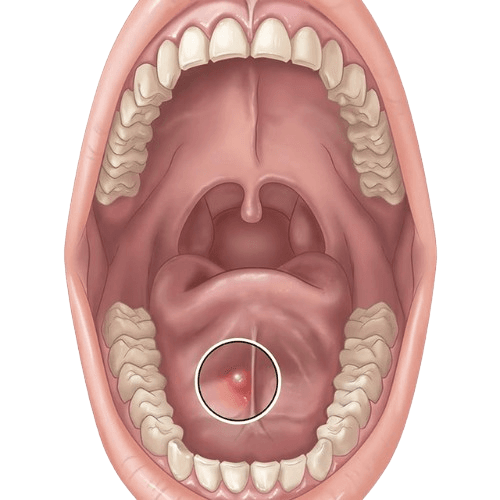
Salivary Gland Stone Removal is a specialized ENT procedure performed to treat sialolithiasis, a condition where calcified stones form inside the salivary glands or their ducts, leading to pain, swelling, and infection.
These stones block the normal flow of saliva, often causing discomfort that worsens during eating. When conservative treatments fail, surgical or minimally invasive removal becomes necessary to restore gland function and relieve symptoms.
Modern techniques allow precise removal of stones while preserving the salivary gland whenever possible. With timely intervention and expert care, most patients experience complete symptom relief and a return to normal oral comfort and function.
Understanding Salivary Gland Stones
Causes and Impact of Sialolithiasis
Salivary gland stones are hardened mineral deposits that form within the salivary ducts or glands, most commonly affecting the submandibular gland. These stones develop due to reduced saliva flow, dehydration, altered mineral balance, or chronic inflammation.
Over time, blockage caused by stones can lead to recurrent pain, swelling, dry mouth, and infections, significantly affecting daily comfort and oral health.
- Mineral Deposition: Accumulation of calcium and other minerals within salivary ducts leading to stone formation.
- Reduced Saliva Flow: Dehydration or certain medications can slow saliva flow and promote stone development.
- Recurrent Swelling: Pain and swelling often worsen during meals due to stimulated saliva production.
- Infection Risk: Prolonged blockage may cause bacterial infections of the salivary gland.
Indications for Salivary Gland Stone Removal
When is Surgery Required?
Salivary gland stone removal is recommended when stones cause persistent symptoms, recurrent infections, or do not respond to conservative management such as hydration, massage, or medications.
The goal of treatment is to remove the obstruction, relieve pain, and preserve normal salivary gland function whenever possible.
- Persistent Pain: Ongoing pain and swelling despite non-surgical treatment.
- Recurrent Infections: Repeated episodes of salivary gland infection or inflammation.
- Large or Deep Stones: Stones that cannot pass naturally or be managed conservatively.
- Impaired Gland Function: Reduced saliva flow causing chronic discomfort or dry mouth.
Procedure and Recovery
How Salivary Gland Stone Removal is Performed
The procedure for salivary gland stone removal depends on the size and location of the stone. Minimally invasive techniques such as sialendoscopy are commonly used to access and remove stones through the natural duct opening.
In some cases, a small surgical incision may be required. Recovery is usually quick, with most patients experiencing significant relief within days and returning to normal activities shortly after.
- Sialendoscopy: A minimally invasive endoscopic technique to locate and remove stones while preserving the gland.
- Surgical Removal: Small incision-based removal for larger or deeply embedded stones.
- Pain Relief: Immediate reduction in pain and swelling after stone removal.
- Post-Procedure Care: Hydration, oral hygiene, and short-term medications to support healing.
Why Choose CureU Healthcare
Expert ENT Care with a Patient-Centered Focus
CureU Healthcare provides comprehensive and advanced treatment for salivary gland disorders through a team of skilled ENT specialists experienced in minimally invasive and surgical techniques.
We emphasize accurate diagnosis, gland-preserving treatment approaches, and individualized care plans to ensure optimal outcomes. Our patient-first philosophy ensures comfort, safety, and clear communication throughout the treatment journey.
- Experienced ENT Specialists: Dedicated surgeons with expertise in salivary gland disorders and modern techniques.
- Minimally Invasive Options: Preference for gland-preserving procedures like sialendoscopy whenever feasible.
- Advanced Diagnostics: High-resolution imaging and endoscopic evaluation for precise treatment planning.
- Holistic Patient Care: Comprehensive counseling, recovery guidance, and follow-up support for lasting relief.
Conclusion
Salivary Gland Stone Removal is a highly effective treatment for relieving pain, swelling, and recurrent infections caused by salivary duct blockages.
With modern minimally invasive techniques and expert ENT care, most patients achieve complete symptom resolution while preserving normal gland function. At CureU Healthcare, we are committed to delivering safe, precise, and compassionate care, helping patients regain comfort, oral health, and quality of life with confidence and trust.

B.U.M.S, M.D. (NAT) | Reg No. 9153 | Ex. Secretary & Treasurer, N.I.M.A.
Qualified healthcare professional in Unani and Naturopathic medicine with deep expertise in traditional healthcare systems, patient-centered clinical care, and medical content review.